























In other words, certain vegetables, fruits, candies, and spices only need to be stored in the pantry at room temperature.
Here are 10 types of fruits and vegetables that should not be refrigerated, along with specific reasons:
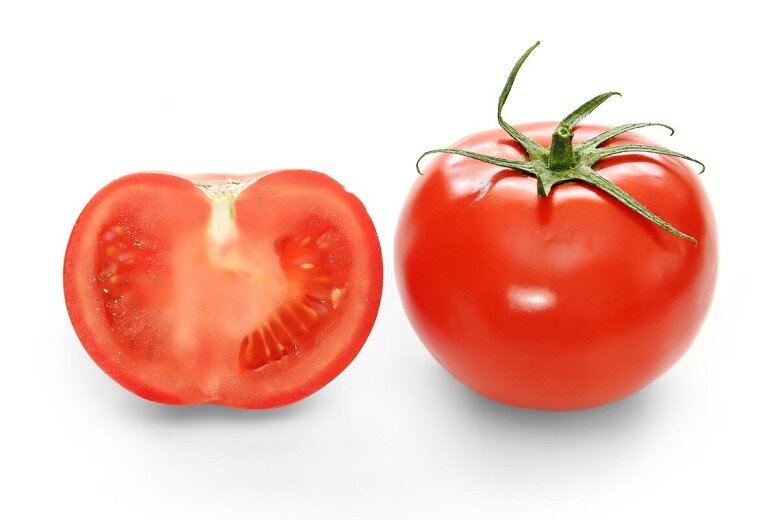
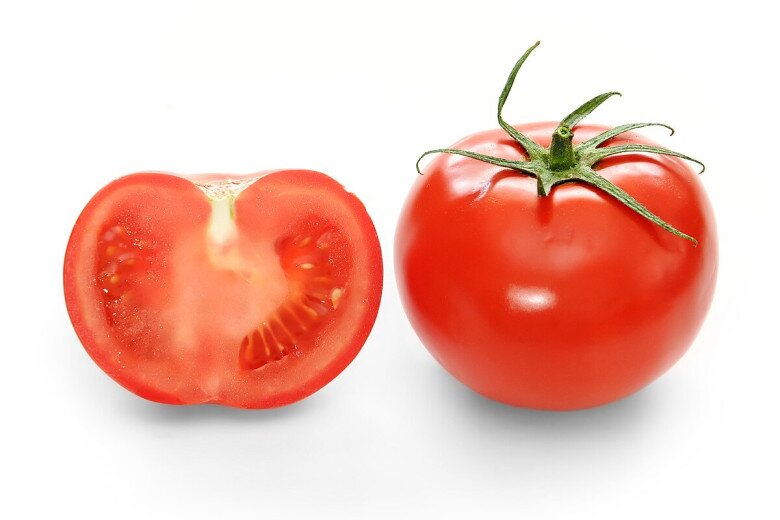
1. Tomatoes
Low temperatures in the refrigerator can spoil the flavor, texture, and overall taste of tomatoes, causing them to lose their natural aroma. The best way to store tomatoes is at room temperature, on a countertop, kitchen shelf, or in a cabinet.
2. Potatoes
When stored in cold conditions, the starch in potatoes converts to sugar, making them overly sweet; cooking them afterward can also produce substances harmful to health. The ideal storage place is a dark, cool, and well-ventilated area like a pantry or cellar. Avoid storing potatoes near onions, as this can cause them to spoil faster.
3. Onions
Onions are highly absorbent and can easily become moldy and mushy when stored in the refrigerator. It’s best to keep them in a dry, well-ventilated place, away from direct sunlight. Cut onions, however, should be wrapped tightly and refrigerated to maintain freshness.
4. Cucumbers
Cucumbers are highly sensitive to low temperatures. Prolonged storage in the refrigerator can cause small spots to appear, and the flesh can become soft and watery. Storing them at room temperature helps maintain better quality, but they should be consumed within a few days. If refrigeration is necessary, store them in the crisper drawer for no more than 1-2 days.
5. Bell Peppers
Short-term storage at room temperature helps maintain crispness and flavor. Low temperatures can cause pitting on the surface and accelerate spoilage. Uncut bell peppers should be stored outside the refrigerator; cut peppers should be placed in airtight containers and refrigerated.
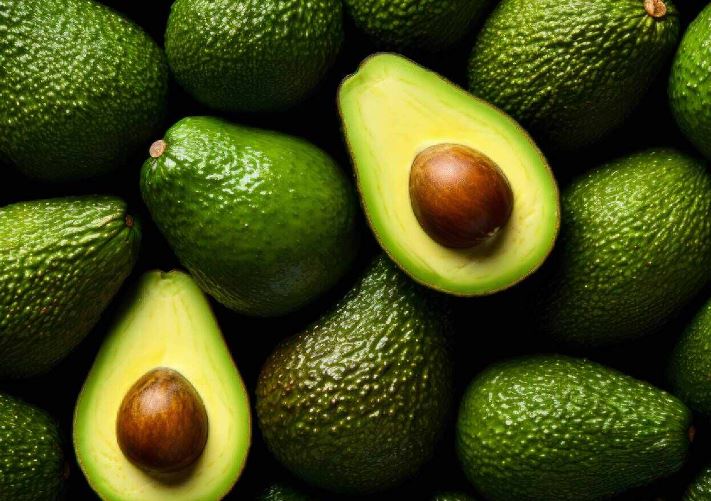
6. Avocados
Unripe avocados stored in the refrigerator will slow down the ripening process. It’s best to let avocados ripen naturally at room temperature until they yield to gentle pressure, then refrigerate to extend their shelf life.
7. Zucchini (Summer Squash, Winter Squash)
This type of squash stores well at room temperature. Refrigeration can damage its texture and cause it to spoil faster. Store it in a dark, cool place and check regularly for signs of softness.
8. Apples
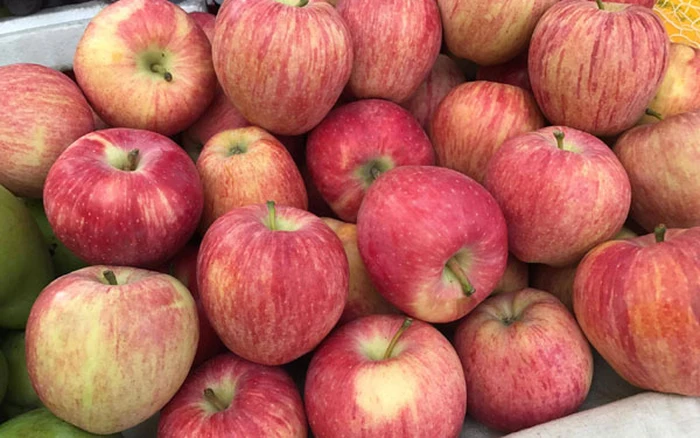
Apples release ethylene gas, which can cause nearby fruits and vegetables to ripen and spoil quickly. Additionally, cold temperatures negatively affect their texture and flavor. For the best taste, place apples in a fruit bowl, away from heat and direct sunlight.
9. Bananas
Storing bananas in the refrigerator hinders the ripening process and causes the skin to turn black quickly. It’s best to keep them at room temperature or hang them, consuming them when fully ripe for the best flavor.
10. Berries (Strawberries, Blueberries, etc.)
While refrigeration can extend freshness, moisture can cause berries to spoil quickly. It’s best not to wash them beforehand; instead, pat them dry with paper towels, wrap them, and place them in a ventilated container or bag before refrigerating.
“Don’t Put Meat Directly in the Fridge After Buying—Coat It with This to Keep It Fresh and Last Longer”

Add this simple step to your meat preservation routine, and you’ll lock in moisture, prevent dryness, and enjoy fresher, more flavorful meat for longer.
The Ultimate Guide to Fridge Food Storage: Save Money and Reduce Waste

Your refrigerator is packed with food, milk, fruits, and vegetables, but some items are going bad quickly. Our experts offer insights into the best ways to store your food and keep it fresh for longer.
How to Get Rid of That New Fridge Plastic Smell: A Simple and Effective Guide

Introducing the Ultimate Guide to Eliminating That Lingering New Fridge Plastic Smell. Discover the simplest and most effective methods to wave goodbye to that stubborn odor. Join us as we unveil the secrets to a fresh-smelling fridge, with tips and tricks that really work. Get ready to breathe easy and enjoy your new appliance!