









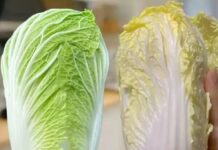







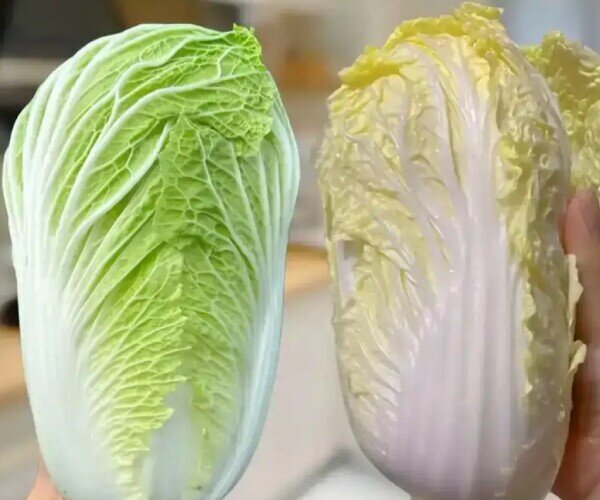
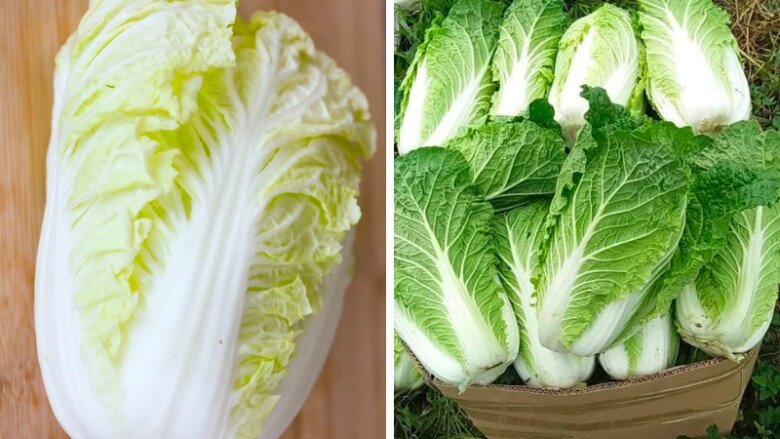
Did you know that napa cabbage comes in two distinct colors: yellow-white and green? Despite their similar appearance, they differ significantly. A seasoned farmer once shared these differences, revealing why “napa cabbage dishes can vary in taste”—it all starts with the right choice from the beginning.
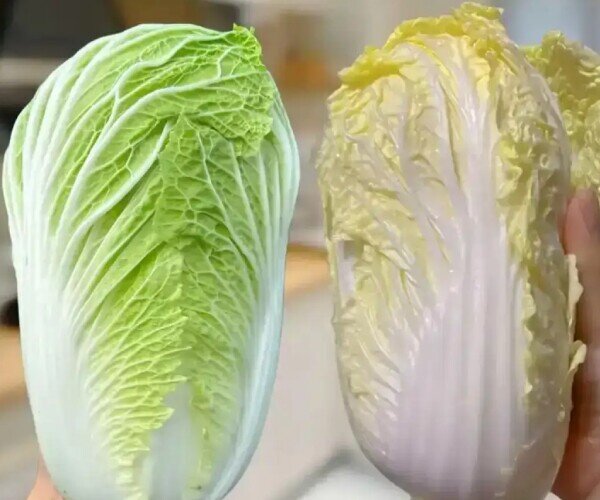
Below are the differences between the two types of napa cabbage and tips for selecting fresh, crisp, and delicious ones—so you’ll never pick the wrong kind again!
Type 1: Yellow-White Napa Cabbage
Yellow-white napa cabbage has slightly yellowed leaves and is a summer-autumn variety that doesn’t tolerate cold well, thriving only above 10°C. It’s harvested after about 50 days of planting.
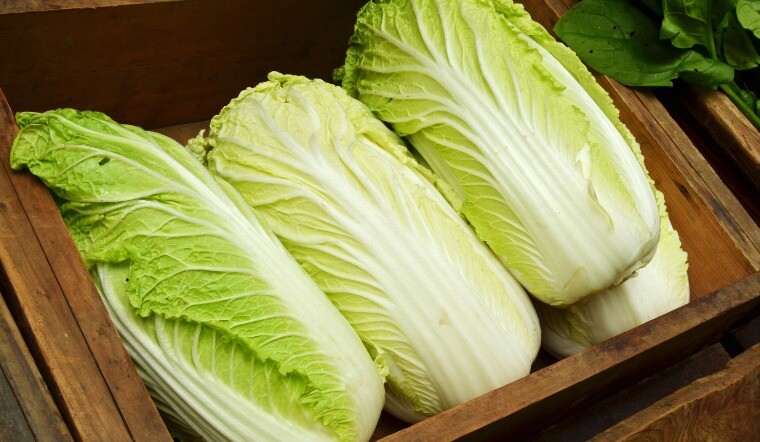
During growth, this variety absorbs a lot of water, causing its leaves to curl tightly to prevent water loss. This results in lower fiber content and tender, crisp leaves. It’s perfect for stir-fries, salads, soups, or hotpots, offering a sweet and refreshing taste.
Type 2: Green Napa Cabbage
Green napa cabbage has deep green leaves and is cold-tolerant, remaining undamaged even in sub-zero temperatures. Its growth cycle is longer, typically 100–120 days, but it produces larger, heavier heads, averaging 3.5–4 kg each.
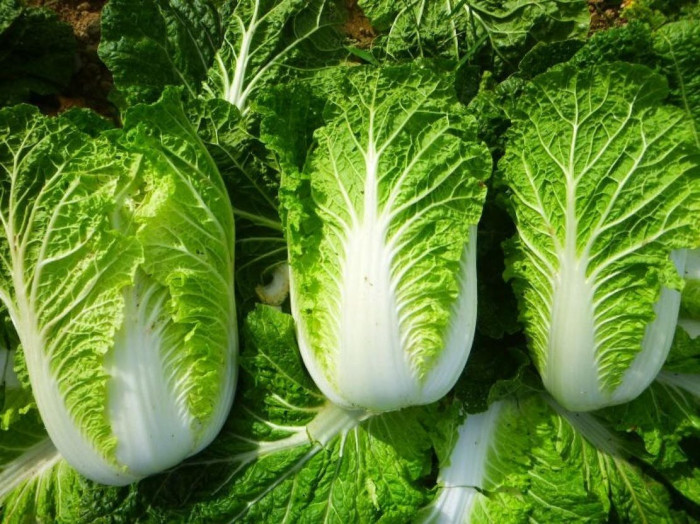
With less water and more fiber, this type is ideal for pickling, stuffing dumplings or bao, or making soups and stews. Its low moisture content also makes it easier to store—it stays fresh for up to a month in winter without spoiling.
Tips for Choosing Fresh, Tender, and Crispy Napa Cabbage:
1. Avoid cabbage with black spots
During growth or storage, physiological issues or mold can cause small black spots on the leaves. These cabbages are less crisp, bland, and prone to spoilage.
Opt for cabbages with bright, smooth, and slightly moist leaves—signs of freshness and recent harvest.
2. Smell it
While napa cabbage is naturally resilient, some sellers use preservatives like formaldehyde to maintain color and freshness. These chemicals are harmful and difficult to wash off. Always smell the cabbage—if it has a strong or unusual odor, avoid it.
3. Check the stem (base)
A thicker, firmer stem indicates strong root development, meaning the plant absorbed more water and nutrients. This results in sweeter, crisper, and more nutritious leaves. Thin, soft stems signify lower quality, with bland flavor and quicker wilting.
With these three tips, you’ll always pick the crispiest, sweetest napa cabbage for delicious meals every time!
Unlock the Secret to Perfect Pickled Mustard Greens: Beyond Just Salt – 3 Essential Steps for Golden, Crispy, and Aromatic Results Every Time

Moreover, with this tip, your pickled radish will never turn sour.
5 Vegetables and Fruits That Are Most Likely to Be Chemical-Laden, and 4 Safer Alternatives
“Fruits and vegetables are an indispensable part of any family’s meals. When it comes to purchasing these produce items, quality is a top concern for all. No one wants to bring home fruits and veggies laden with chemicals.
7 Vegetables Rich in Calcium: More Nutritious Than Meat and Fish, at a Bargain Price

“Supercharge your health with these nutrient-rich vegetables. This carefully curated list is a game-changer for your grocery shopping – an investment in your well-being that you won’t regret.”
“The Ultimate Guide to Crunchy, Perfectly Pickled Cabbage: Avoiding the Common Pitfalls”
To make delicious and crispy pickled napa cabbage, there is a secret recipe that ensures it doesn’t turn out mushy, slimy, or with a filmy layer on top.
The Magic of Root-to-Plant Transformation: Transforming 5 Rotten Roots into Stunning Hydroponic Houseplants

Are you looking to create a lush, green oasis without breaking the bank? Do you want to transform your space using readily available materials and a touch of magic? Then look no further than these amazing plants.