





















Robert Love, a renowned researcher in Alzheimer’s prevention, states, “One of the primary reasons for the increasing prevalence of Alzheimer’s is the growing toxicity of our environment. Compared to a century ago, our food, air, and water now contain significantly more harmful substances.”
In an Instagram video, he highlights three common household items that may negatively impact brain function.
Air Fresheners
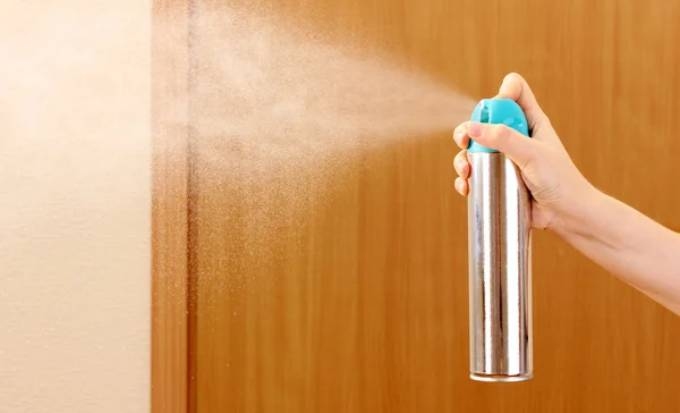
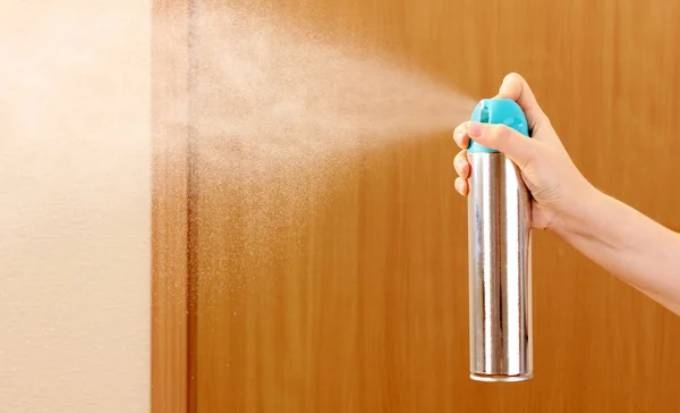
First on the list are air fresheners, whether in spray or device form. While they eliminate odors and create a pleasant ambiance, these products release volatile organic compounds (VOCs) into the air. Inhalation of these compounds can irritate the respiratory system and, in some cases, affect brain function, particularly in individuals with sensitivities or allergies.
“These chemicals can be harmful to the brain, especially for those with allergies. It’s best to avoid chemical air fresheners,” advises Love.
Scented Candles
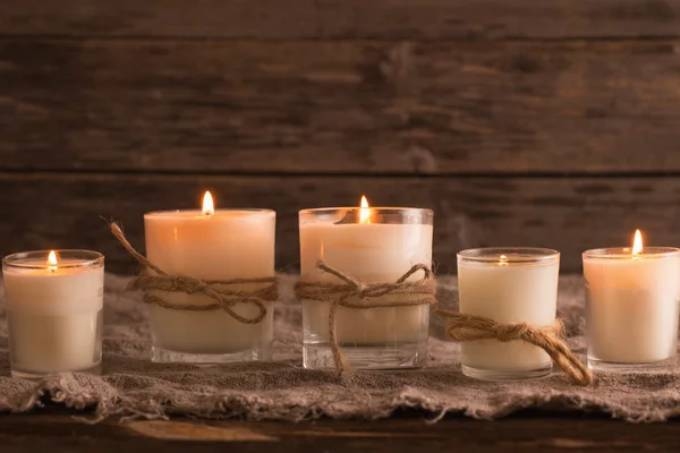
Scented candles, a popular home décor item, also pose potential health risks. Love explains that many candles on the market are made from paraffin wax and synthetic fragrances. When burned, paraffin wax can release compounds like toluene, which may impact the nervous system. Artificial fragrances further contribute to indoor air pollution.
As an alternative, Love suggests, “Opt for beeswax candles and add natural essential oils for fragrance if desired.”
Non-Stick Cookware
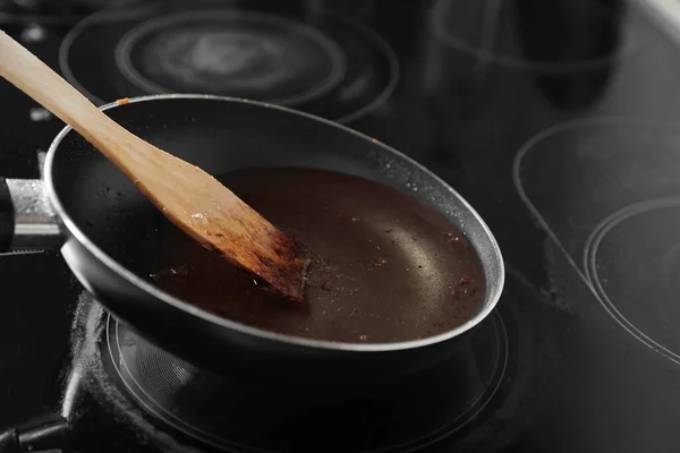
Surprisingly, non-stick cookware, favored for its convenience and ease of cleaning, is another potential health hazard. According to Love, the non-stick coating, especially Teflon (a synthetic polymer known as polytetrafluoroethylene), can release toxic chemicals when scratched or overheated.
These fluorine-containing compounds can leach into food, negatively affecting the brain and overall health. Love recommends switching to stainless steel, ceramic, or titanium cookware as safer alternatives to traditional non-stick options.
45 Unique and Meaningful Valentine’s Day Gift Ideas for February 14th

What is February 14th? Why do so many people eagerly anticipate this date?
Why You Should Avoid Using Scratched Non-Stick Pans
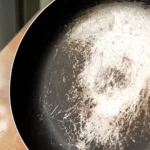
A seemingly harmless pot or pan can be a silent culprit, stealthily infusing your meals with chemicals and heavy metals. Over time, this can quietly damage your liver, kidneys, and even elevate the risk of cancer if you choose unwisely.
The Four Odor-Eliminating Strategies to Keep Your Bathroom Fresh and Bacteria-Free
The bathroom, if left unclean, can be a breeding ground for foul odors and disease-causing bacteria. These 5 easy tips will ensure your bathroom is always fresh and hygienic.
The Ultimate Guide to a Sparkling Clean Bathroom: Easy, Effortless Tips for a Fresh Space

These handy tips and tricks will keep your bathroom sparkling clean and fresh without the fuss and expense.
The Magic of Essential Oils: Discover the Surprising Uses of This Versatile Remedy

The humble tiger balm has long been a trusted remedy for colds, headaches, and chilly extremities. But its uses extend far beyond these common ailments.