


















Buddha Jumps Over the Wall, a renowned dish in Fujian, China, is celebrated for its intricate preparation, exquisite flavors, and high nutritional value. Its unique name has piqued the curiosity of food enthusiasts worldwide, drawing them to experience this culinary masterpiece.
In this article, we’ll delve into the details of what Buddha Jumps Over the Wall truly is!
1 Introduction to Buddha Jumps Over the Wall
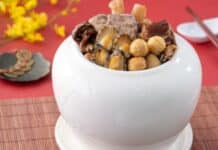
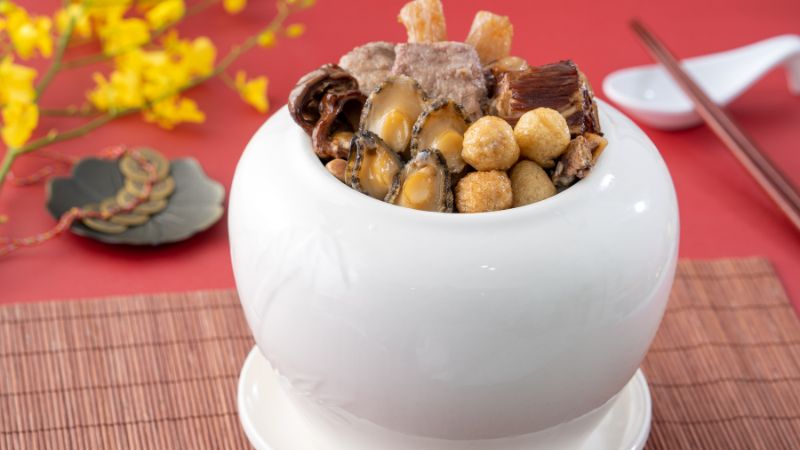
Buddha Jumps Over the Wall (Chinese: 佛跳墙, pinyin: Fó tiào qiáng) is a legendary dish in the cuisine of Fujian, China. Its captivating name originates from a tale highlighting the dish’s irresistible allure, said to tempt even monks to “jump over the wall” to savor it.
With over 200 years of history, Buddha Jumps Over the Wall remains a pinnacle of Chinese gourmet cuisine. Its appeal lies not only in its refined flavors but also in the meticulous preparation and rare, premium ingredients.
Today, this dish has gained popularity across Asian countries like Vietnam, South Korea, and Taiwan, among others. Each region has crafted its own unique version, showcasing creativity and distinct culinary traditions.
 Introduction to Buddha Jumps Over the Wall
2 The Origin of Buddha Jumps Over the Wall
Numerous legends explain the intriguing name “Buddha Jumps Over the Wall.” The most widely shared story dates back to the Qing Dynasty, involving a scholar.
This scholar carried a jar of wine filled with various ingredients for his meals. Whenever hungry, he would cook all the ingredients directly in the wine jar and enjoy the dish.
During a visit to Fujian, he prepared his meal near a temple. The aromatic scent wafted through the air, captivating the monks inside. Unable to resist the enticing fragrance, the monks climbed over the wall to discover the source of this extraordinary dish.
From then on, the name “Buddha Jumps Over the Wall” became synonymous with the dish, symbolizing its irresistible charm.
 The Origin of Buddha Jumps Over the Wall
3 Ingredients of Buddha Jumps Over the Wall
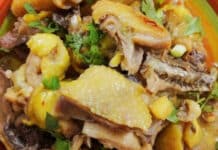
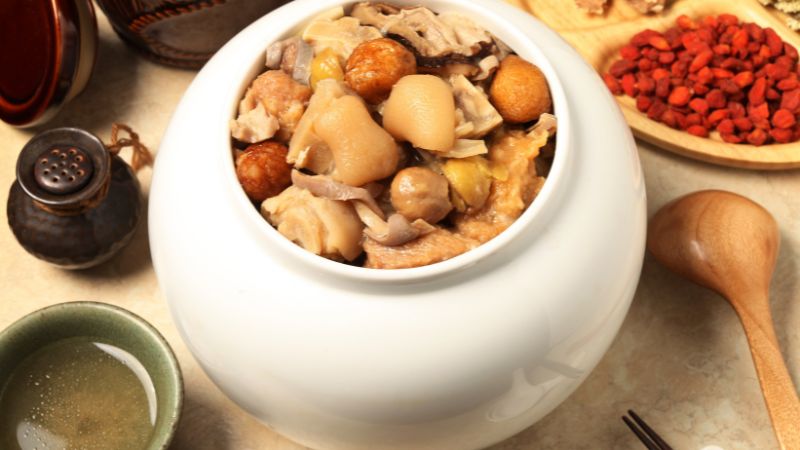
Buddha Jumps Over the Wall combines over 12 spices and 18 premium ingredients, including sea cucumber, shark fin, abalone, ginseng, scallops, and others like chicken, pork tendon, mushrooms, and eggs. Each ingredient contributes unique flavors and nutrients, blending harmoniously to create this exceptional dish.
To achieve perfection, chefs simmer the dish for hours over low heat in a clay pot. The broth, infused with herbs, results in a delicately sweet and rich flavor, preserving the essence of all ingredients.
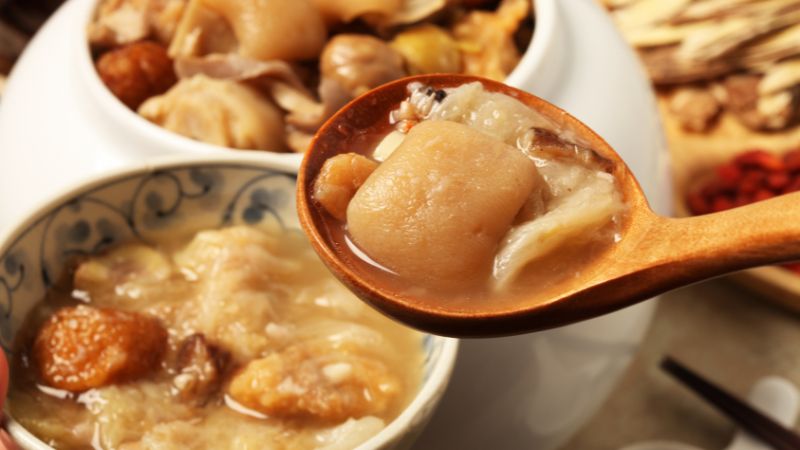 Ingredients of Buddha Jumps Over the Wall
4 Health Benefits of Buddha Jumps Over the Wall
Beyond its delectable taste, Buddha Jumps Over the Wall is prized for its rich nutritional profile. Scientific studies highlight its numerous health benefits:
-
Supports Immunity: Rare ingredients like abalone, ginseng, and shiitake mushrooms are rich in antioxidants, enhancing the immune system and protecting against harmful agents.
-
Fights Aging and Inflammation: The abundant vitamins and minerals combat oxidative stress, protect cells, and reduce the risk of aging and inflammatory diseases.
-
Boosts Vitality: Some studies suggest that ingredients like shark fin and deer tendon can enhance male vitality and kidney health.
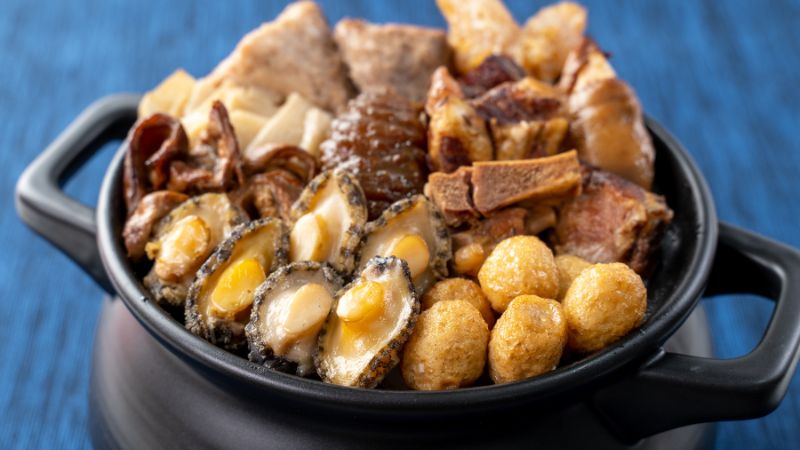 Health Benefits of Buddha Jumps Over the Wall
5 Tips for Enjoying Buddha Jumps Over the Wall
Its exquisite flavor and nutritional richness make Buddha Jumps Over the Wall a favorite among many. However, to ensure health, consider the following:
-
Cooling Nature: Ingredients like abalone and shiitake mushrooms have cooling properties, which may cause discomfort if consumed in excess. Enjoy in moderation.
-
Who Should Avoid: Individuals with digestive issues, obesity, high blood lipids, or hypertension should limit consumption.
-
Smart Choices: When dining out, review the ingredient list or consult staff to choose a version that suits your taste and health needs.
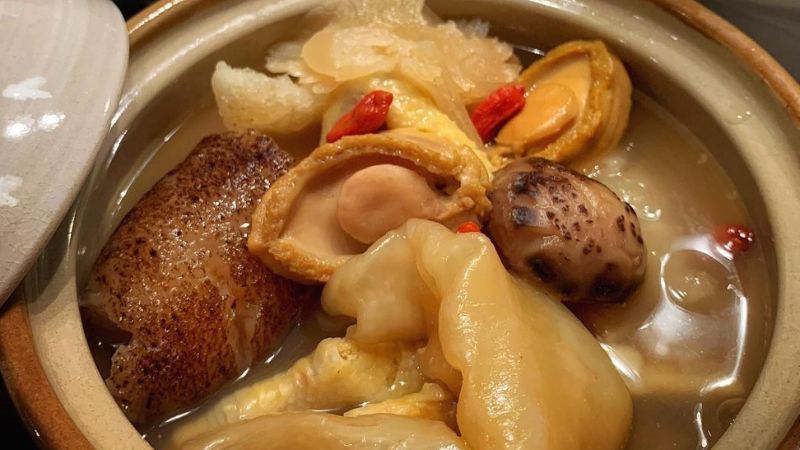 Tips for Enjoying Buddha Jumps Over the Wall
With its distinctive flavor, rich nutritional value, and centuries-old history, Buddha Jumps Over the Wall has become a legendary dish, renowned not only in Chinese cuisine but also across Asia. Each variation reflects the creativity and culinary artistry of its region, making it a true masterpiece of gastronomy.
How to Pick Watermelons with Red Flesh, Thin Rind, Sweet Taste, Few Seeds, No Tapping Required

Watermelon is a refreshing, nutrient-rich fruit beloved by many. However, selecting a perfectly ripe one with deep red flesh and a thin rind is an art not everyone has mastered.
Wild Berries Once a Common Childhood Snack in Vietnam Now Fetch Premium Prices Abroad as “Superfruit,” Selling for Nearly $30 per Kilogram
In South America, the birthplace of *Physalis peruviana* (Cape Gooseberry), this fruit is cultivated with meticulous care, using organic standards and selective breeding. The result is a plump, vibrant orange fruit with a sweet, delicate flavor that hints at notes of strawberry, apple, and grape. Renowned as a specialty, it is exported globally to Europe, Japan, and the United States.
Deadly Risks of Eating Pork Blood Pudding for These 3 Groups
Savory and beloved by many, pork belly is a culinary delight. However, while it offers numerous benefits, it may not be suitable for everyone’s dietary needs.
“The Ultimate Superfood: Unlocking the Power of “Emperor’s Vegetable” for Heart and Lung Health”
After 25–30 days of planting, you will be able to harvest your vegetables.
Smart Egg Buyers Choose Smaller Eggs: Why You Should Follow Suit

To procure eggs with superior flavor, one must possess a certain savoir-faire.