























Before You Begin: There are 3 common types of dark circles – pigment-related (dark brown), vascular (blue/purple undertones), and structural (deep eye sockets creating shadows). Home remedies are most effective for the first two types, while results for deep-set or sagging eye sockets may be slower and require patience.
1. Cold Compress – The Quickest Way to See Results
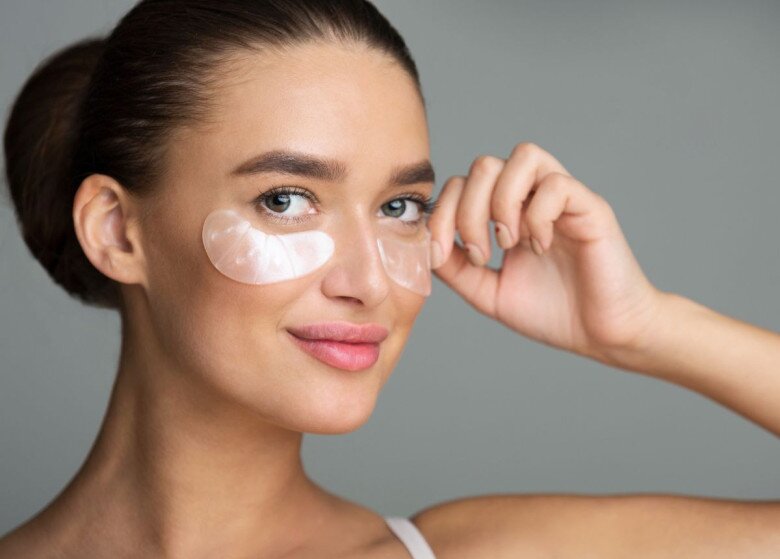
Cold temperatures help constrict blood vessels, reducing blood pooling under the eyes and temporarily lightening the blue or purple hues. It also reduces puffiness. Use ice wrapped in a cloth, chilled metal spoons, or a gel eye mask. Apply for 5–7 minutes each morning; avoid prolonged use to prevent skin irritation.
2. Cucumber Slices – Instant Hydration and Soothing
Cucumbers are rich in water, vitamin C, and silica, which hydrate and soften the skin while reducing fine lines. Chill thin slices in the fridge for 10 minutes, then apply to the eyes for 10–15 minutes. Use 3–4 times a week for noticeably fresher-looking skin by the next morning.
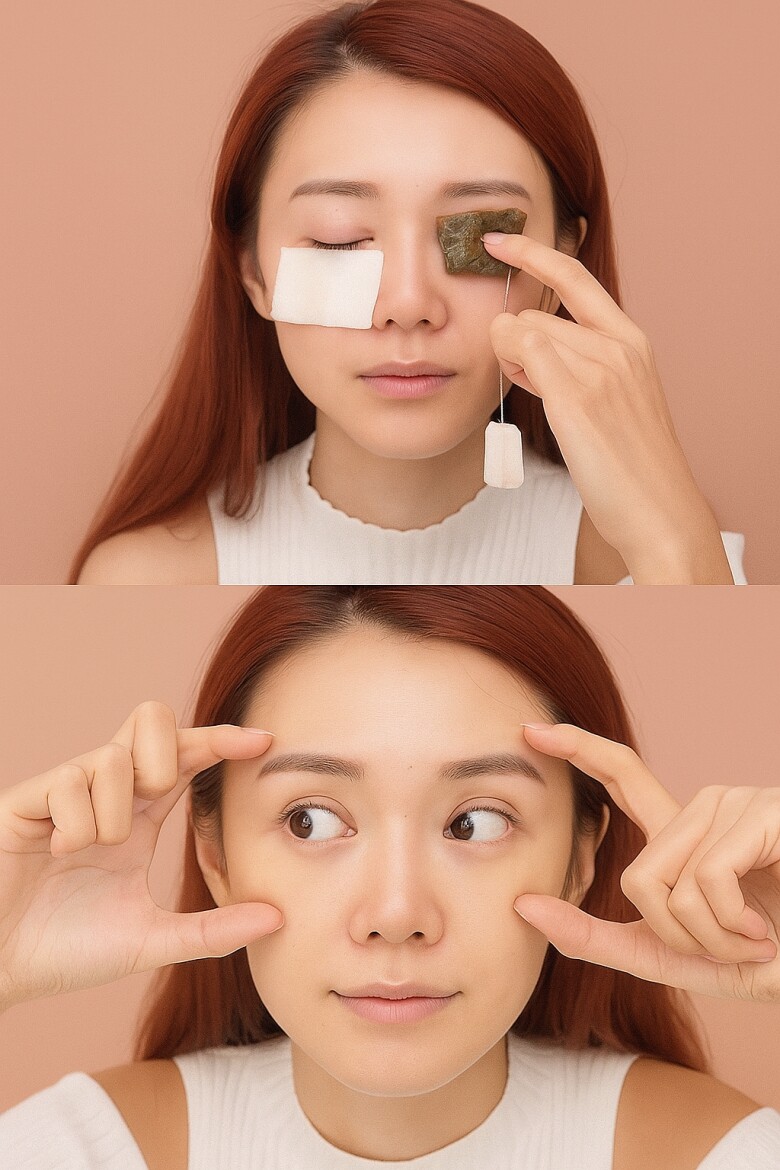
3. Chilled Tea Bags – Reduces Vascular Dark Circles
Green or black tea contains caffeine and antioxidants that help constrict blood vessels and reduce pooling around the eyes. After brewing tea, chill the used tea bags in the fridge for 15–20 minutes, then apply for 10 minutes. This method is highly recommended for office workers or those with tired eyes, as it provides quick results.
4. Elevate Your Head While Sleeping – Prevent Blood Pooling
A simple yet crucial tip. Sleeping with your head lower than your body can cause fluid to accumulate under the eyes, leading to puffiness and darker skin. Elevating your head by just 5–7cm makes a significant difference, especially for night owls or those with morning puffiness.
5. Lymphatic Drainage Massage Around the Eyes Every Night
Using your ring finger, gently press from the inner corner of the eye – under the eye – outer corner, then circle up to the upper lid. Repeat 10–15 times. This technique stimulates lymphatic drainage, reduces blood pooling, and gradually brightens the eye area with consistent 3–5 minute nightly practice.
6. Vitamin E or Almond Oil Nourishment
Almond oil is rich in fatty acids and vitamin E, which deeply moisturize and strengthen the delicate skin barrier under the eyes. Apply a tiny amount with a cotton swab, gently patting before bed. Wake up to softer skin and less noticeable dark circles.
7. Potatoes – Natural Skin Brightening
Potatoes contain enzymes that help lighten and soothe dark areas. Chill thin slices or extract the juice, apply with a cotton pad for 10 minutes. Use 2–3 times a week for best results, especially for brown pigment-related dark circles.
8. Aloe Vera – Instant Cooling and Healing
Aloe vera gel reduces mild inflammation, hydrates, and evens out skin tone. Apply a thin layer of fresh gel under the eyes for 7–10 minutes, then rinse. Avoid applying too close to the lash line to prevent irritation.
9. Choose Eye Creams with Targeted Ingredients
Caffeine: Constricts blood vessels, reduces blue/purple circles and puffiness.
Niacinamide, Vitamin C: Brightens pigment-related dark circles.
Retinol (low concentration): Stimulates skin renewal for long-standing dark circles (use every other night). Apply eye cream with your ring finger, gently tapping, avoiding harsh pulling or rubbing.
10. Sunscreen for the Eyes – The Most Overlooked Step
UV rays accelerate pigment production, darkening circles over time. Wear sunglasses, hats, or use a gentle eye-specific sunscreen when outdoors—just as crucial as skincare.
How to Maximize Results?
Get 7–8 hours of consistent sleep; avoid “catch-up” sleep on weekends, as it doesn’t reverse dark circles.
Reduce blue light exposure 30–60 minutes before bed for deeper sleep and less eye strain.
Stay hydrated and eat vitamin C, K-rich foods (oranges, bell peppers, kiwi, leafy greens).
Avoid rubbing your eyes or harsh tugging during makeup removal or cleansing.
Be patient—results take 3–4 weeks minimum, as the eye area heals slower than other skin.
“Flat, Thin Hair Ages You: 5 Budget-Friendly Volumizing Hacks for Salon-Worthy Results at Home”

Fine, thin hair that’s prone to falling flat and breaking is a common concern for many women. However, with these simple yet effective tips, your locks can transform into voluminous, lush strands that are not only smooth but also radiate vitality.
Unlock Radiant Beauty: 3 Affordable & Everyday Veggies for Stunning Results

Not only are these familiar plants safe and gentle, but they are also packed with nutrients that nourish the skin, promoting a healthy, smooth, and naturally radiant complexion.
3 Dermatologist-Recommended Ingredients to Fade Dark Spots

Unveil a radiant complexion with these three powerhouse ingredients, dermatologist-approved to fade dark spots and reveal a brighter, more even skin tone.
Natural Teeth Whitening Hacks You Can DIY at Home

By maintaining proper brushing habits, incorporating safe natural remedies, and avoiding common staining agents, you can confidently flaunt a radiant smile every day.
4 Simple Ways to Heal Cracked Heels

Revised Introduction:
Cracked heels, a common yet bothersome issue, often stem from overlooked factors. Poor dietary habits, such as insufficient intake of essential nutrients like vitamins and omega-3 fatty acids, can weaken skin elasticity. Prolonged standing, especially on hard surfaces, and improper footwear exacerbate dryness, leading to fissures. Environmental elements, including dry climates and harsh soaps, strip moisture, further aggravating the condition. Neglecting foot care routines and pre-existing conditions like eczema or diabetes also contribute significantly. Addressing these root causes is key to restoring smooth, healthy heels.