















The debate surrounding food compatibility remains contentious, particularly between modern medicine and traditional practices. Modern medicine suggests that consuming small amounts of everyday foods does not pose the toxic risks often rumored. In contrast, traditional medicine attributes food incompatibility to the nature and taste of ingredients. To safeguard health, it’s advisable to heed the principle of “better safe than sorry,” especially when preparing or consuming food.
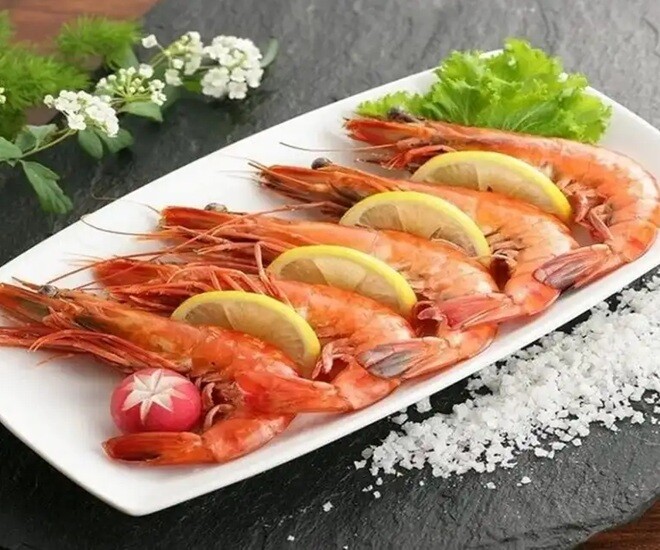
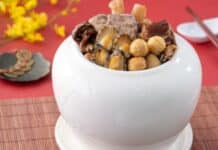
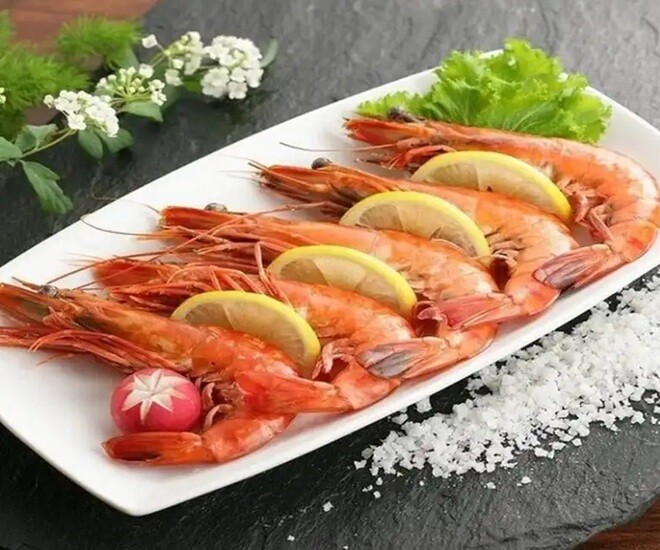
Shellfish should not be paired with vitamin C-rich foods. Illustrative photo.
Below are some food combinations or groups considered incompatible in traditional Eastern medicine, which may produce toxins when paired. It’s essential to avoid these combinations:
– Avoid pairing vitamin C with shellfish: Shellfish like freshwater shrimp contain arsenic compounds that, when combined with vitamin C-rich foods such as bell peppers, tomatoes, bitter melon, citrus fruits, or lemons, can transform arsenic into a highly toxic form. Therefore, after consuming vitamin C or vitamin C-rich foods, refrain from eating shellfish.
– Do not cook animal liver with carrots or celery: Animal liver is high in copper, iron, and other metals. These metals can oxidize vitamin C in vegetables, rendering it ineffective. Additionally, carrots and celery contain cellulose and oxalic acid, which hinder iron absorption.
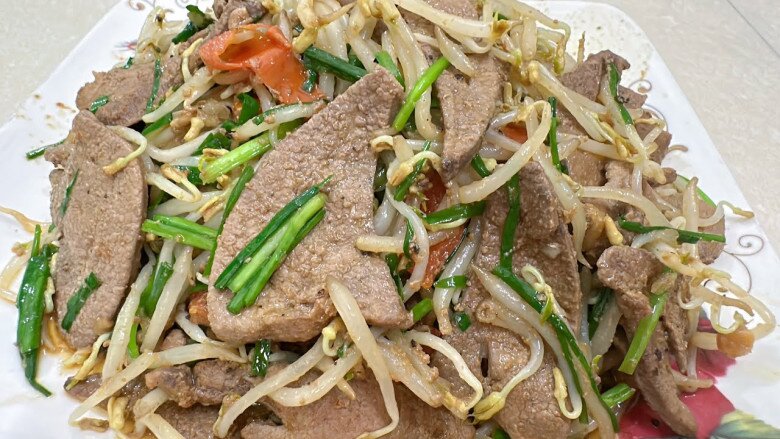
Stir-fried pork liver with bean sprouts is a common dish, but they are incompatible. Illustrative photo.
– Avoid stir-frying pork liver with bean sprouts: Pork liver contains high levels of copper and iron, which can oxidize vitamin C in bean sprouts, reducing their nutritional value. This combination is best avoided to preserve the benefits of both ingredients.
– Do not cook cheese with crab, eel, or leafy greens like water spinach or amaranth: Cheese, already rich in protein and calories, becomes harder to digest when paired with crab, eel, or these greens, especially for children and the elderly.
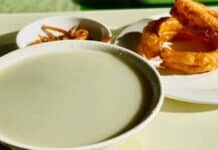
– Avoid combining honey with soy milk: Honey and soy milk can react in the stomach, forming lumps and causing digestive issues. This combination is particularly dangerous for individuals with heart conditions and can lead to diarrhea due to the interaction between soy milk’s enzymes and honey.
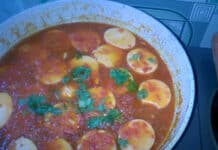
– Do not pair pork brain with eggs: While pork brain and eggs are often combined for children, this mixture can increase cholesterol levels in adults and is not recommended for young children.
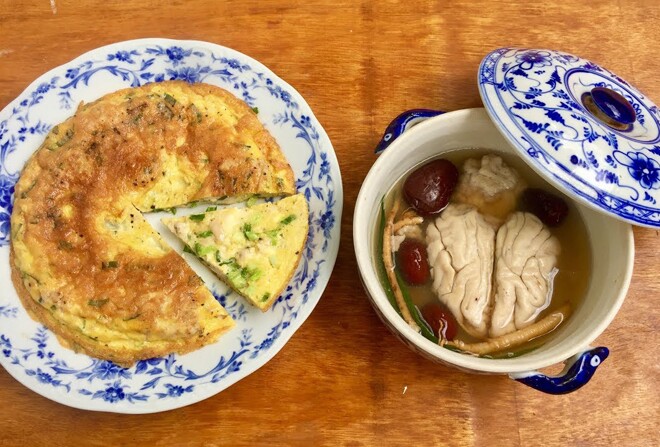
Pork brain and eggs are not a healthy combination. Illustrative photo.
– Avoid consuming dog meat with tea: Dog meat and tea can slow digestion, leading to constipation. Combining dog meat with mutton and tea can exacerbate heat-related issues and cause diarrhea.
– Pork should not be eaten with raw ginger: Pork and raw ginger are incompatible due to their opposing natures, which can lead to skin issues. If consumed together, counteract with mulberry leaves.
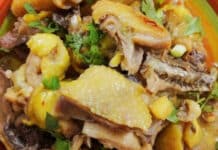
– Carp and chicken should not be paired: Carp and chicken have conflicting properties that can cause digestive issues when eaten together. Avoid this combination to prevent discomfort.
Japan’s Priciest Seed Costs as Much as Beef, Yet Vietnamese Discard It—Unbeknownst to Them, It’s a Bedroom “Miracle Cure”

This humble nut, abundant in Vietnam, often goes unnoticed due to its commonality. Yet, in Japan, it commands a price comparable to premium beef, prized for its exceptional nutritional value and potent disease-preventing properties.
Household Food Staples That Kill Bacteria: Versatile, Underused, and Perfect for Any Space
This versatile food boasts an impressive shelf life and a wealth of health benefits, particularly its potent ability to combat bacteria and viruses when used correctly. Unfortunately, many people overlook its potential, relegating it to a mere condiment.
Affordable Natural Antibiotic: A Seasonal Remedy for Children’s Coughs and Fevers

As the seasons change, coughing and fever are common occurrences in children. If a medical examination reveals no serious issues, these symptoms can typically be monitored and managed at home.
“The Bizarre Vegetable That Makes Diners Cringe Yet Becomes a U.S. Export Sensation for Its Unique Flavor and Superfood Benefits”
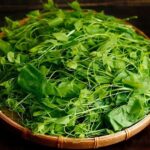
Not only does this vegetable boast a unique flavor, but it also offers numerous health benefits, making it a sought-after export product—a remarkable achievement for this once-humble forest green.
The World’s Most Expensive Fruit: Vietnam’s Abundant Harvest of a Renowned Delicacy, Fetching $52 per Kilogram
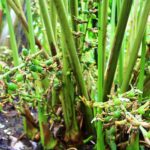
Nestled in the rugged terrains of Northern Vietnam’s mountainous provinces, the world’s most coveted spice is flourishing. This rare and luxurious ingredient, once a well-kept secret, is now poised to become Vietnam’s next major export sensation. Its unparalleled quality and exclusivity make it a treasure sought after by connoisseurs worldwide.