














Saving electricity doesn’t require investing in a new rice cooker or expensive gadgets. A simple tweak to your daily rice-cooking routine can significantly reduce energy consumption while ensuring perfectly cooked, fragrant rice.
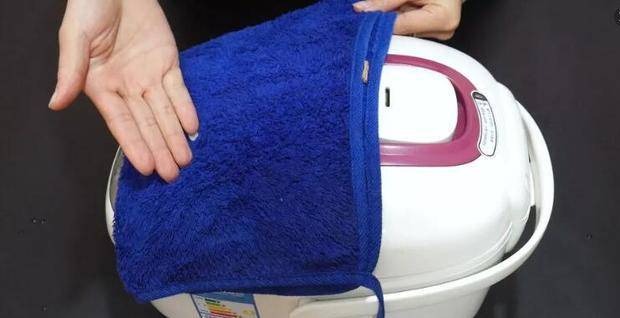
One clever trick many home cooks swear by is placing a thin cloth over the rice cooker lid while cooking. Though it may seem unnecessary, this method enhances heat retention, speeds up cooking, minimizes steam escape, keeps your kitchen cleaner, and saves electricity monthly.

Why Does Covering the Lid Save Electricity?
Rice cookers work by heating the inner pot to boil water, cooking the rice through steam. During cooking, heat escapes through the lid and gaps, prolonging the process.
Adding a cloth layer over the lid acts as extra insulation, reducing heat loss and maintaining a stable temperature. This results in:
– More even water evaporation and faster cooking.
– Shorter cooking times, cutting down on electricity use.
Kitchen bloggers report that for 1–1.8 liter cookers, this method can reduce cooking time by 5–10%, leading to noticeable monthly savings.
Beyond saving electricity, the cloth ensures evenly cooked, fluffy rice that stays warm longer, preventing uneven textures. For budget cookers prone to condensation, the cloth absorbs excess moisture, keeping your kitchen tidy.
How to Properly Cover Your Rice Cooker
For safety and effectiveness, avoid blocking the steam vent to prevent pressure buildup or overflow.
Steps:
– Use a thin cotton or linen cloth that’s absorbent and heat-resistant. Avoid thick fabrics that trap too much moisture.
– After adding rice and water, close the lid normally. Gently drape the cloth over the lid and edges, leaving the vent exposed. Ensure no fabric touches the cooker body.
– Start cooking as usual. Remove the cloth when the cooker switches to “keep warm” to allow steam release and prevent sogginess.
Important Safety Tips
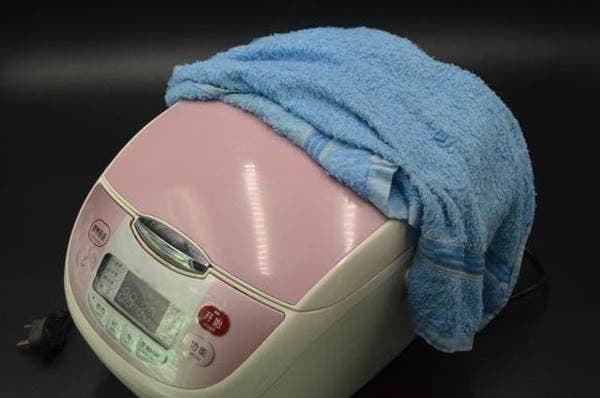
– Use only natural fabrics; avoid synthetic materials like polyester that may melt.
– Never block the steam vent to ensure proper cooking and prevent damage.
– Keep the cloth away from outlets and cords to avoid fire risks if it gets wet.
– Don’t use the cloth during extended “keep warm” cycles, as it can cause mold over time.
Which Cookers Benefit from This Method?
– Basic models (non-pressure, fixed lid): Ideal for saving electricity and improving cooking efficiency.
– Advanced induction or pressure cookers: Not recommended, as these already have built-in insulation. Adding a cloth may interfere with their operation.
Compiled
Master 9 Essential Solo Travel Cooking Tips for Your Next Adventure

Cooking for yourself while traveling has become a popular trend in the world of travel. Discover these 9 essential tips for solo travelers who want to cook their own meals, ensuring both health and savings.
Is an Expensive Rice Cooker Worth It? Unveiling the Differences Between a $20 and $250 Model – Insider Secrets from Sales Experts

The material of a pot’s interior directly impacts its durability, ease of cleaning, and overall lifespan.
“7 Holes or 9 Holes? Expert Tips from Farmers to Pick the Perfect Lotus Root for Delicious Dishes”

Selecting the wrong type of lotus root for your culinary creations can significantly diminish both the flavor and appeal of your dish.
Stir-Fried Rice Noodles: 3 Chef-Approved Tips for Perfectly Fluffy, Non-Sticky Results Every Time
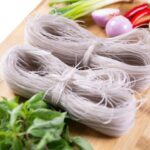
Glass noodles, a beloved staple in many cuisines, are a delight to savor. Elevate your stir-fry game with these expert tips, ensuring each bite is perfectly cooked, never clumpy or sticky.
Mastering Your Rice Cooker: Tips for Longevity and Perfectly Fluffy Rice Every Time
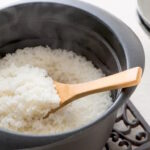
If rice is the cornerstone of your meals, a high-quality rice cooker is indispensable. This appliance not only simplifies your life and streamlines the cooking process but also ensures perfectly cooked rice every time, even if you’re not a culinary expert. Think of a rice cooker as the ultimate safeguard—like the bumpers in bowling, it’s designed to guarantee your success.