For any newcomer starting to use something, it’s essential to understand its information, and Retinol is no exception. Therefore, let’s explore everything about Retinol!
1 What is Retinol?
 Retinol offers all the benefits of the Retinoids group in skincare
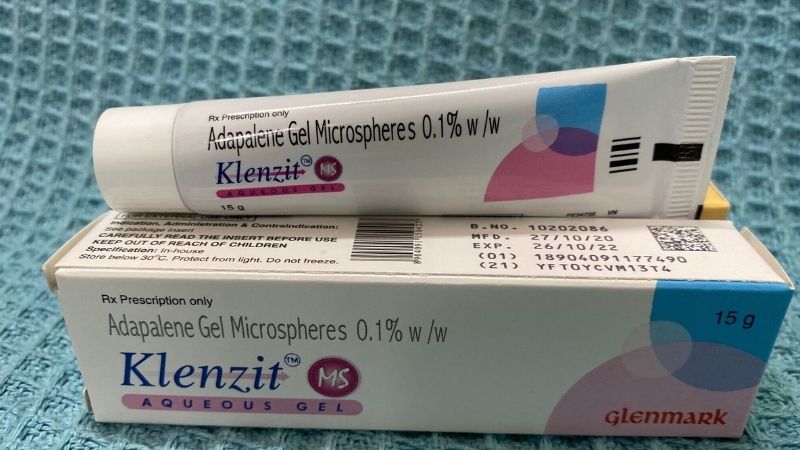
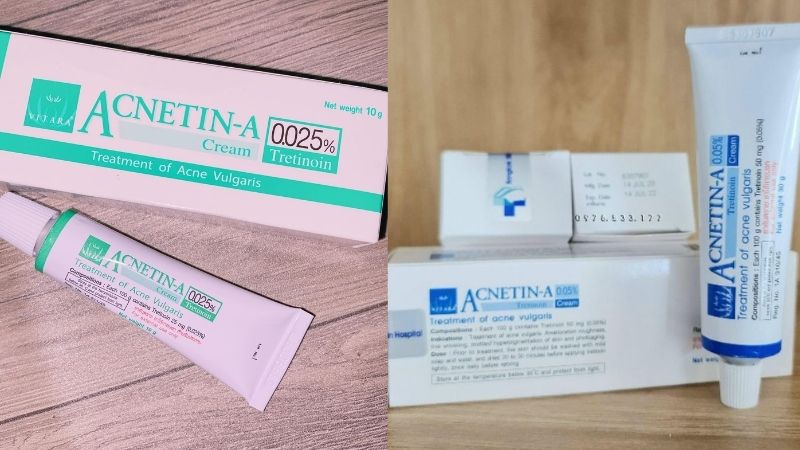
Retinol, along with Tretinoin, Retinyl Palmitate, Isotretinoin, is a derivative of Vitamin A belonging to the Retinoids group. Among these, Retinol is the mildest derivative, suitable for most skin types, and easily available at any pharmacy.
Since 1971, derivatives of Vitamin A have been widely recognized for their highly effective treatment of various skin issues.
Retinol offers all the benefits of the Retinoids group in skincare, but due to its milder nature, results may take longer to appear. However, for those new to using Vitamin A derivatives, it is the safest choice.
Retinol provides numerous effective benefits for the skin, such as: anti-aging, cell regeneration, enhancing skin immunity, supporting acne treatment and prevention, and reducing pigmentation like dark spots and freckles.
2 The Effects of Retinoids on the Skin
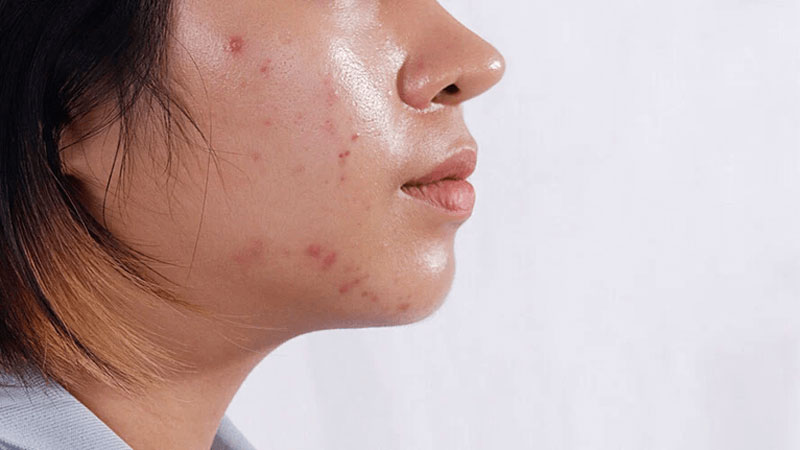
Retinol Helps Treat Acne
This is a prominent benefit of Retinol that has long been recognized and proven in its effectiveness.
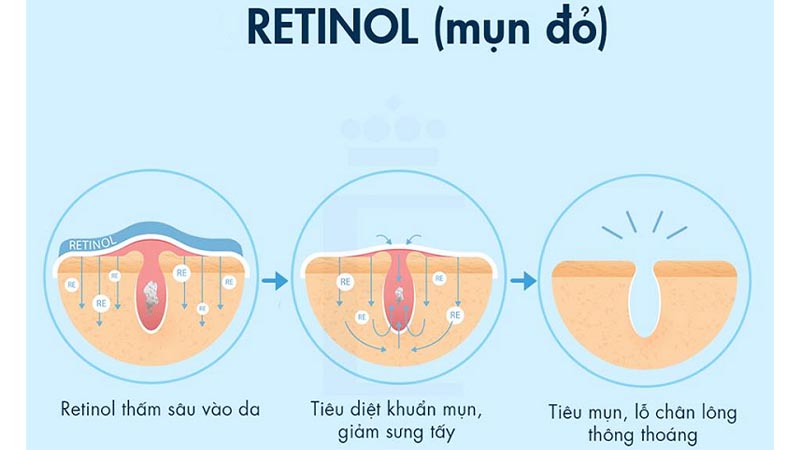 Retinol helps treat acne
Retinol clears pores, prevents dust and excess oil from clogging them, removes dead skin cells, controls oil, reduces inflammation, and with its antibacterial properties, it is highly effective in acne treatment.
Effective Anti-Aging for the Skin
Increasing evidence highlights Retinol’s role in treating skin aging, with Retinol-containing products smoothing and effectively combating aging.
 Effective anti-aging for the skin
By stimulating collagen production, Retinol helps reduce signs of skin aging, specifically fading wrinkles, resulting in healthier skin.
Repairs Sun-Damaged Skin
Retinol is highly effective in treating sun-damaged skin.
 Repairs sun-damaged skin
According to Leslie Baumann, a dermatologist in Miami and author of The Skin Type Solution, Retinol can combat sun damage by stimulating collagen production.
3 How Does Retinol Affect the Skin?
Retinol’s mechanism involves renewing the surface cell layer, facilitating the growth of underlying cells. This inhibits collagen breakdown and thickens the underlying skin layer.
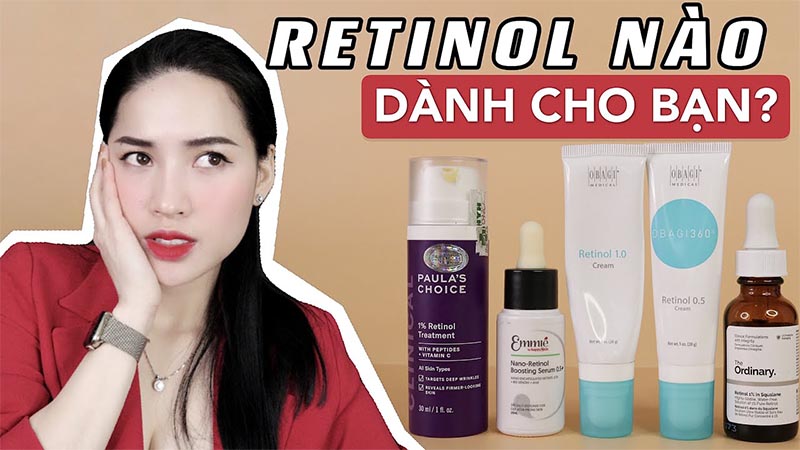 Retinol renews the surface cell layer
The notion that Retinol thins the skin is incorrect. While Retinol may cause peeling and redness in the first few weeks, it ultimately makes the skin thicker.
 Retinol may cause peeling and redness initially
For brown spots causing rough skin, Retinol smooths the skin and inhibits melanin production.
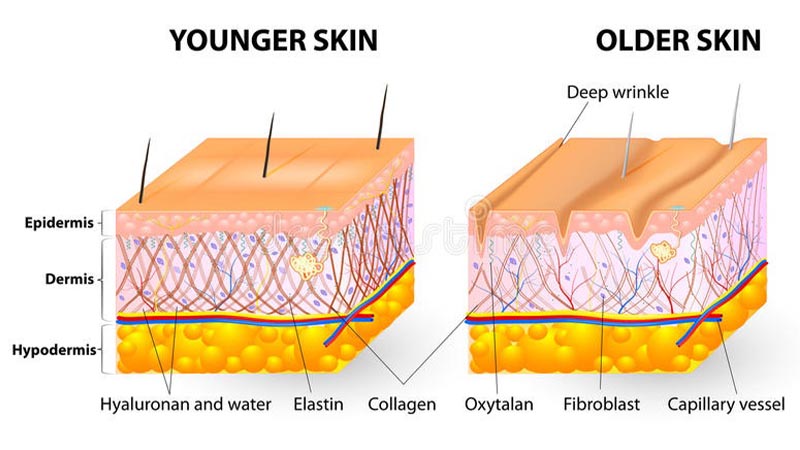 Retinol smooths the skin and inhibits melanin production
Retinol stimulates cell turnover, promoting the growth of new cells.
4 Is Retinol Truly Safe?
Experts agree: Yes, when discussing the safety of Retinol and other Vitamin A-based products.
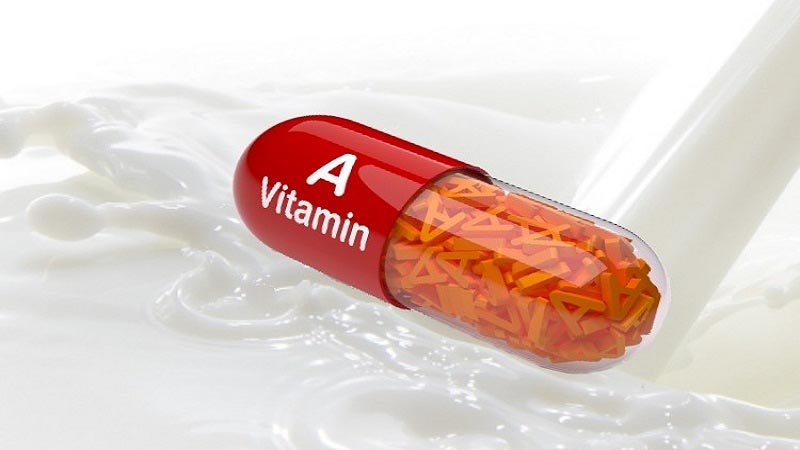 Is Retinol truly safe?
However, pregnant or breastfeeding women should consult their doctor before using these products for the best advice.
5 Reasons to Choose Retinol in Skincare
- With its numerous skin benefits, Retinol is highly valuable in skincare, especially for issues like aging, acne, and dark spots.
- Retinol acts as a binding agent for cells, neutralizing free radicals to maintain normal cell function, creating a protective barrier against external damage, resulting in healthy, resilient skin.
 Retinol is considered a “perfect” skincare ingredient
- When using Retinol, you’ll notice comprehensive results in skin texture, tone, and hydration. With consistent use, wrinkles, fine lines, and acne will significantly diminish, leaving the skin smooth and radiant.
- As a “perfect” skincare ingredient due to its many benefits, Retinol requires proper understanding and use, especially for beginners, to maximize its effectiveness.
6 How to Use Retinol for Beginners
For those new to Retinol, don’t worry—effective Retinol use is simple with these tips:
Test Skin Sensitivity
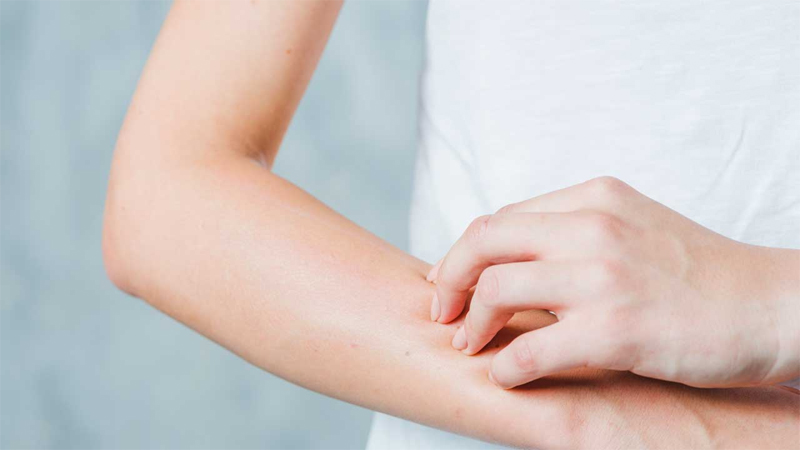 Test skin sensitivity
- Not just Retinol, any active ingredient can cause allergies, irritation, or adverse reactions if incompatible. Therefore, the first step is to test skin sensitivity.
- Apply a small amount to any body area, like the arm or hand, and expose it to sunlight. If there’s no reaction, it’s safe to use Retinol.
Retinol Usage Frequency
 Retinol usage frequency
- To use Retinol effectively, understand its concentrations, typically ranging from 0.01% to 1%.
- For beginners, start with lower concentrations (0.01% – 0.03%) to avoid irritation.
- Use Retinol once a week initially to allow the skin to adapt. If no adverse reactions occur, gradually increase frequency.
Always Use Sunscreen with Retinol
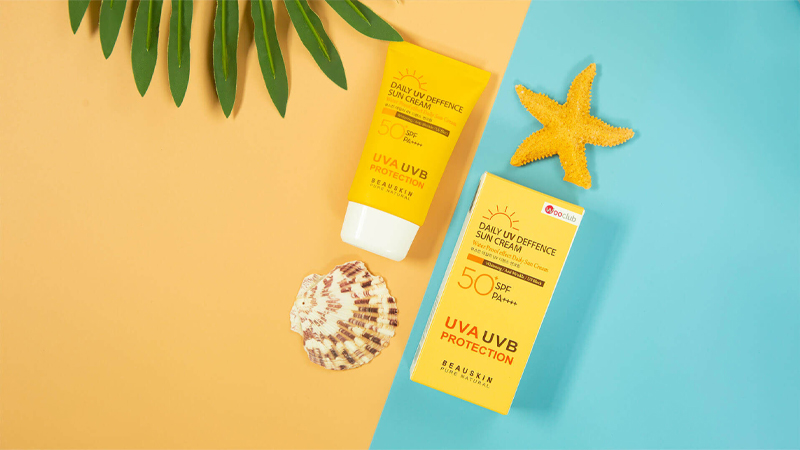 Always use sunscreen with Retinol
- Sunscreen is essential when using Retinol. Retinol increases skin sensitivity during the regeneration process. Sun exposure without protection can lead to severe damage.
- Using sunscreen not only protects the skin but also enhances Retinol’s effectiveness. Apply sunscreen whenever going outdoors!
Combine Retinol with AHA/BHA for Enhanced Effectiveness
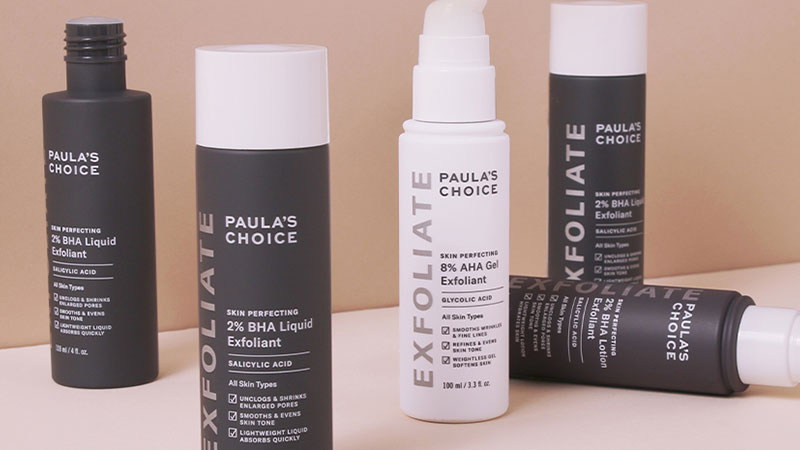 Combine Retinol with AHA/BHA for enhanced effectiveness
- Since Retinol doesn’t exfoliate, combining it with AHA/BHA improves sun-damaged skin and enhances skin vitality. This combination also reduces wrinkles and combats aging more effectively.
- When using AHA/BHA with Retinol, wait 20-30 minutes after applying AHA/BHA to avoid irritation or overloading the skin.
Steps for Using Retinol for Beginners
 Using Retinol correctly
The best time to use Retinol is 30 minutes before bedtime. Follow these steps:
7 Tips for Using Retinol
 Tips for using Retinol
For better Retinol results, follow these tips:
- Use 2 days/week, with one application at night to maintain effectiveness.
- Use a pea-sized amount per application, as excessive Retinol can harm the skin.
- Increase frequency to once daily if the skin adapts well.
- Use products containing Benzoyl Peroxide with Retinol.
8 Potential Side Effects of Retinol
Retinol may cause some side effects, but they are minor and manageable:
Skin Redness and Stinging
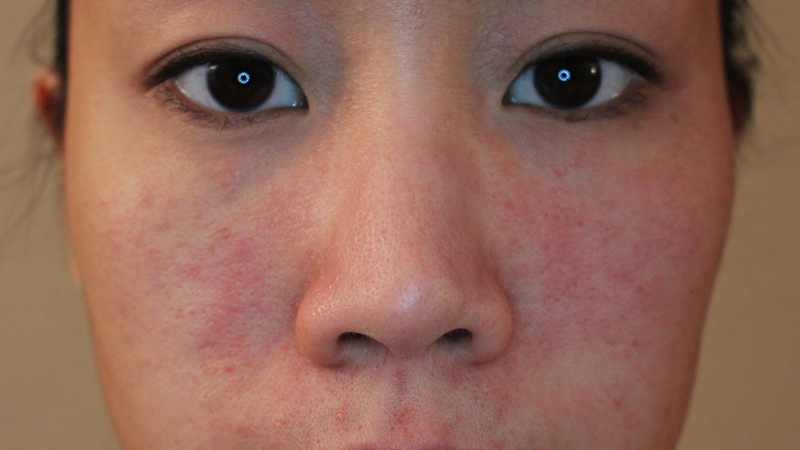 Skin redness and stinging
Symptoms: Redness, stinging, and itching, similar to a bug bite. This is a temporary reaction.
Solution: Use Retinol with lower concentrations initially and gradually increase. Combine with moisturizers to soothe the skin.
Dryness and Peeling
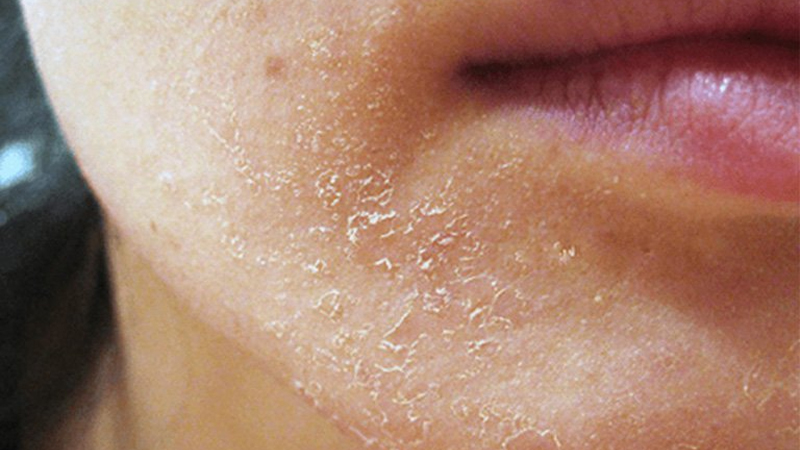 Dryness and peeling
Symptoms: Dry, flaky skin. This often occurs with higher Retinol concentrations.
Solution: Reduce usage frequency to once a week and focus on hydration and skin recovery.
Sources: Vinmec Hospital, Thanh Niên Newspaper
Above is comprehensive information about Retinol and a beginner’s guide to using it. Hopefully, you’ll successfully apply it for healthy, smooth skin!
Why Beauty Bloggers Are Raving About SKIN1004’s Centella Serum
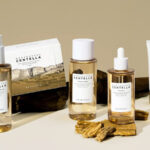
Unveil the secret behind the buzz surrounding SKIN1004’s Centella serum. Discover what makes this product a favorite among beauty bloggers and why it’s worth the hype. Explore the unique benefits and features that set this serum apart in the skincare world.
What is Treatment? The Most Commonly Used Types of Treatment Today

Unveil the ultimate solution to acne with Treatment, the breakthrough method that’s taking Vietnam by storm. Discover what Treatment truly entails and explore the most popular types available today.
Banish Hidden Acne in Just One Week with This Common Market Vegetable
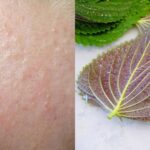
Hidden acne is a common skin issue that leaves many feeling self-conscious, with rough, uneven skin that can diminish confidence in social interactions. To eliminate this stubborn problem, discover the effective method to clear hidden acne in just one week using a readily available vegetable found at your local market.
Unlock Radiant Beauty: 10 Makeup-Free Tips to Glow Naturally

Every girl dreams of looking effortlessly beautiful, radiant, and confident without relying on makeup. If that’s you, you’re in luck! Discover these 10 simple yet powerful ways to enhance your natural beauty and glow from within.
3 Expert-Recommended Coffee Ground Facial Scrubs for Glowing Skin

Unlock radiant skin with a genius, budget-friendly hack: transform your leftover coffee grounds into a powerful facial scrub. This natural exfoliator not only revitalizes your complexion but also maximizes sustainability, proving that beauty and eco-consciousness can go hand in hand.