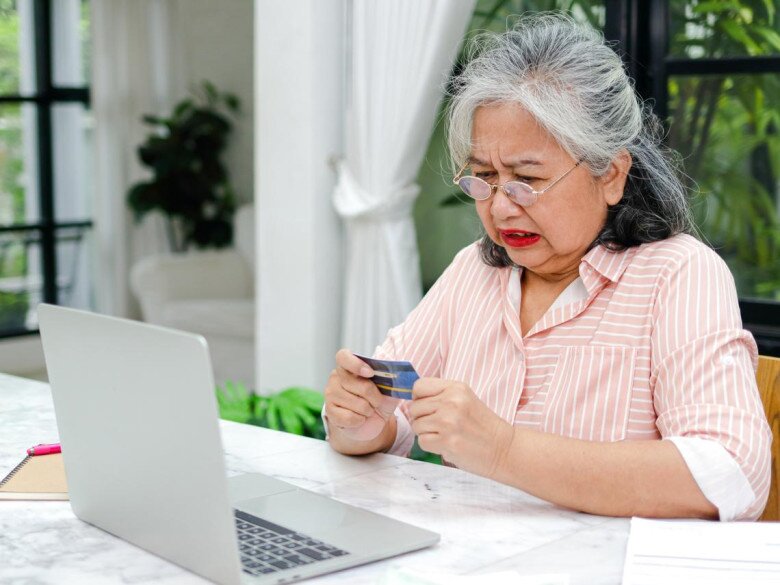
A survey reveals that the subjective happiness of elderly individuals without savings, who have transferred all their assets to their children and no longer control their finances, decreases by nearly half. In contrast, urban elderly individuals who manage their pensions and maintain financial independence report a life satisfaction rate of approximately 85%, which is about 25 percentage points higher than those entirely dependent on their children.
The notion of “raising children to support oneself in old age” holds only partial truth. As people enter their twilight years, they realize that filial piety is only half the story. The other half depends on how they prepare for their old age and whether they inadvertently fall into common pitfalls.
Transferring All Assets to Children, Retaining Nothing for Oneself
In a case that went to trial, 91-year-old Mrs. Lữ sold her old house and all her life savings, totaling over 31.5 billion VND. She entrusted the entire amount to her son to manage, intending it for medical expenses and funeral arrangements.
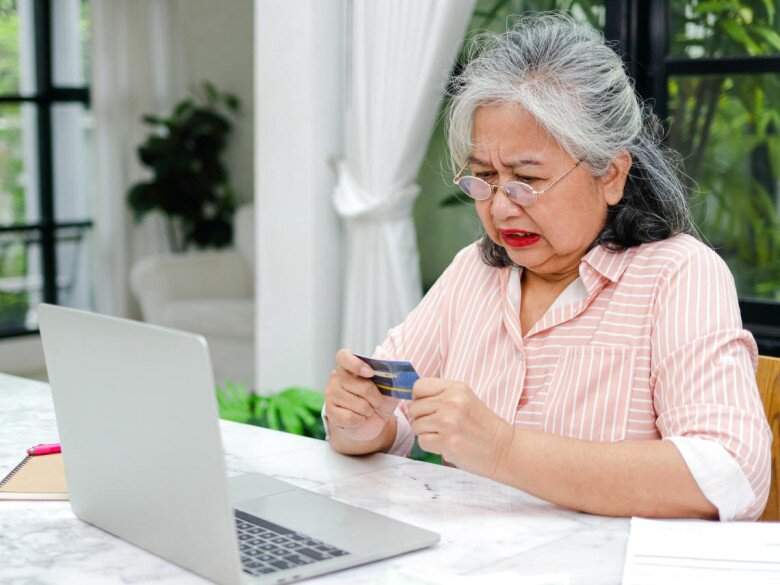
Illustrative image
However, her son used the money to pay off a mortgage and renovate his house. After his wife passed away from a heart attack, approximately 10.5 billion VND was transferred to his wife’s sister. When Mrs. Lữ asked for her money back, her son replied, “Mom lives with me now, what else does she need money for?”
When she sued, due to the lack of a power of attorney or asset management agreement, most of the money was deemed joint property of her son and daughter-in-law. After extensive legal proceedings, she recovered only a small fraction and ultimately had to rely on minimal local subsidies to cover her living expenses.
Another heartbreaking case involved Mrs. Vương, who transferred her accumulated pension of approximately 3.5 billion VND to her son for safekeeping. Unfortunately, her son died in a traffic accident. His widow presented the death certificate to the bank, claiming the money as her husband’s inheritance.
Mrs. Vương spent six months visiting various authorities and courts to prove the money was her pension. Eventually, she recovered only about 700 million VND, while the remainder was used by her daughter-in-law to pay off a car loan.
A female bank financial manager shared that she often encounters elderly individuals withdrawing their savings to help their children buy homes or start businesses. Despite being advised to keep some money for themselves, they insist, “It’s my money; I can give it to whoever I want.”
However, when they fall ill and need to pay medical bills, or simply want to give their grandchildren a small gift, they find themselves dependent on their children. They then realize that their well-intentioned but poorly planned generosity has left them vulnerable.
Living Only for Children, Forgetting One’s Own Life
Before retiring, Aunt Trương was a primary school teacher for over 30 years. After retirement, she devoted all her time to her two children.
When her son worked overtime, she would wait by the phone. When her daughter picked up her grandchild from school, Aunt Trương would arrive at the school gate half an hour early. She even left her 10-year dance group to cook and clean for her children.
Last month, her son was on a two-week business trip and didn’t call due to his busy schedule. Aunt Trương was so upset that she sat crying in the living room until 3 a.m., believing she had raised ungrateful children.

Illustrative image
Later, her daughter invited her to stay for a while. Free from childcare duties, Aunt Trương took out her old knitting set and started making a sweater for her grandchild. That night, she slept soundly for the first time in days.
Soon after, she rejoined her dance group and even became the leader. In a social media post, she shared a radiant smile with the caption, “My life is more enjoyable than waiting for my children’s calls.”
Constantly Controlling Children’s Lives
Across the street, Uncle Lý is a classic example.
When his daughter-in-law bought a 10.5 million VND bag, he complained for days, suggesting the money should have been spent on groceries.
On weekends, when the young couple slept in, he would repeatedly knock on their door, calling them down for meals.
When his grandson signed up for modern dance classes, Uncle Lý canceled them and enrolled him in calligraphy instead, believing dance was unsuitable for boys.
His daughter-in-law broke down, warning that if this continued, they wouldn’t visit on weekends anymore.
Later, his son reminded him that he had also resented his grandfather’s interference in his life. Uncle Lý finally fell silent.
Now, he only reminds his grandchildren to wear extra layers when it’s cold, leaving all other decisions to his children. Strangely, the younger family now visits more often, bringing the grandchildren to spend time with their grandparents.
Many young people share that what worries them about living with their parents isn’t their parents’ strictness, but their parents’ desire to control everything—from clothing and meals to their children’s education. These seemingly small conflicts, when accumulated over time, can strain family relationships.

Illustrative image
Enduring Illness Without Seeking Treatment
Mr. Trương, a former colleague of my father, was diagnosed with hypertension last year.
Despite his doctor’s prescription for daily medication, he refused, believing he was healthy and fearing side effects. He continued drinking alcohol and lifting heavy objects as before.
Last month, while carrying a plant pot, he suddenly fainted and was rushed to the emergency room. He was diagnosed with a cerebral hemorrhage.
He spent over 40 days in intensive care, with total treatment costs reaching approximately 700 million VND. Although health insurance covered part of it, his family still had to pay an additional 280 million VND.
Now paralyzed on one side, he sighed to my visiting father, “If only I had listened back then.”
Another distant relative smoked for over 40 years. Despite persistent coughing and sleepless nights, he refused to see a doctor, believing drinking pear juice would cure him.
Six months later, he was diagnosed with late-stage lung cancer.
After three rounds of chemotherapy, his body became so frail he couldn’t sit up on his own. The man who once boasted of being as strong as an ox and living to 90 now struggles even to speak.
Self-Isolating from Others
My grandmother spent her last two years this way.
After my grandfather passed away, her friends either moved away or became too frail to visit. With difficulty walking, she stayed mostly at home, watching TV from morning till night.
Illustrative image
Every weekend, my mother visited, but sometimes my grandmother wouldn’t say a word the entire time. Her temper also grew increasingly irritable.
Once, my sister bought her a new life jacket, but she threw it to the ground, accusing her grandchildren of wasting money.
Later, the community organized a handicraft class for seniors. Initially reluctant, my mother persistently took her to a few sessions.
To everyone’s surprise, after the first class, my grandmother excitedly shared that she had learned to make a rabbit-shaped bead craft and promised to make one for her grandchildren.
From then on, she attended every week. Once, she gave me a red apple-shaped bead chain, saying it was prettier than the apples sold in the market. She even said that once she mastered the skill, she would make gifts for all the children in the neighborhood.
Yesterday, I bumped into Mrs. Lữ’s grandson at the nursing home gate. He was bringing fruit to visit her.
She still clutched her monthly subsidy of approximately 17.5 million VND, along with her meager savings.
She smiled, saying that next month, with more money, she wanted to buy her great-grandchild a chocolate car toy. Previously, she couldn’t even think of such simple pleasures because all her money was in her son’s hands. Even buying a few thousand VND ice cream required her to ask her son’s permission.
Meanwhile, Aunt Trương downstairs is busy these days leading her art troupe in rehearsals for the district competition. Every afternoon, music fills the apartment garden. Children passing by dance along, and Aunt Trương’s smile shines brighter than ever.
Perhaps, a happy old age doesn’t just come from children’s filial piety, but also from maintaining independence, joy, and control over one’s own life.
7 Financial Decisions to Make Before 25

According to CNN, getting started with saving 20% of your income, organizing your expenses wisely, and taking good care of your health are a few of the financial decisions that any young person needs to make before the age of 25.
20 Signs You Have a Stable Financial Situation

Many individuals devote a significant amount of their time pursuing financial stability. What exactly is financial stability, you may ask? Business Insider recently compiled a list of 20 characteristics that can help you determine just that.