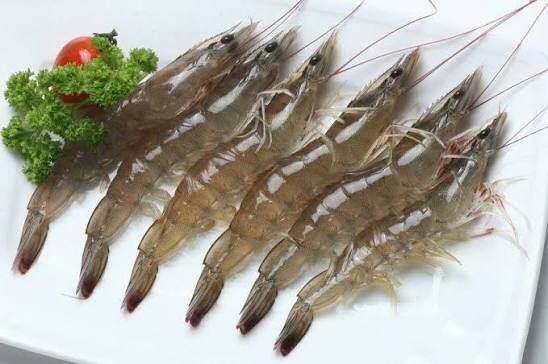
1. Shrimp with Cracked, Peeling, or Scratched Shells
Inspecting the shell is a straightforward way to gauge shrimp freshness. Those with peeling, crushed, or heavily cracked shells often lack their original freshness. For frozen shrimp, this can also indicate that the product was not fresh before freezing.
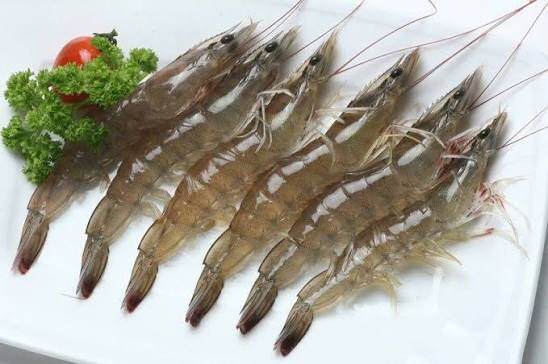
Such shrimp typically have soft, bland meat, reduced nutritional value, and lack their natural sweetness when cooked. Even if priced cheaply, it’s best to avoid them.
2. Shrimp with Missing Legs, Loose Heads, or Unusual Discoloration
Fresh shrimp have firmly attached heads, intact legs, and vibrant natural colors. If shrimp have multiple missing legs, loose heads, or heads nearly detached, they’ve likely been stored for too long.
Specifically, if the junction between the head and body appears black or loose, it’s a sign of lost freshness.
A quick test: gently straighten the shrimp’s body. If it remains rigid and doesn’t curl back when released, it indicates the shrimp has been dead for quite some time.
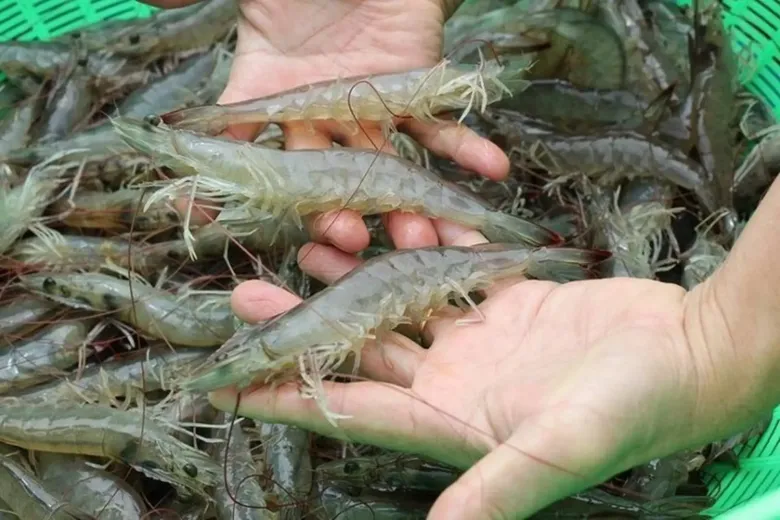
Additionally, avoid shrimp with black heads or bodies, as this may result from prolonged or improper storage. These shrimp often have a strong fishy odor, mushy texture, diminished flavor, and reduced nutritional quality.
3. Fully Straightened Frozen Shrimp
Frozen shrimp can retain quality if flash-frozen while fresh. However, pay attention to their shape when purchasing.
Many opt for straight shrimp, assuming they’re easier to prepare. In reality, experienced chefs note that curved shrimp are often frozen while still alive or freshly deceased, ensuring better quality. Conversely, shrimp that died earlier lose muscle elasticity, resulting in straight bodies during freezing.
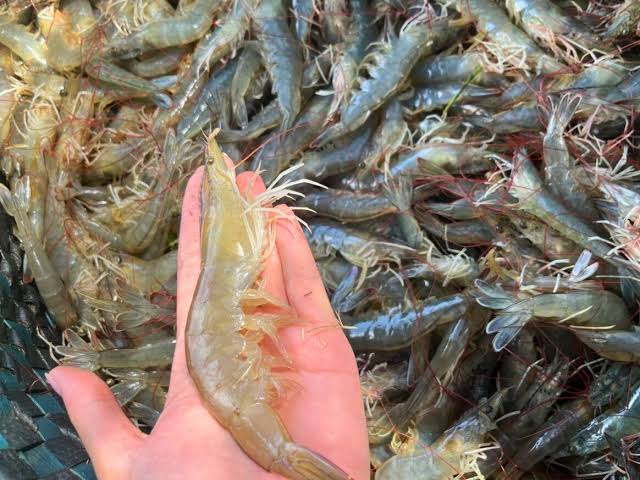
Opt for well-packaged products with clear production and expiration dates. Avoid frozen shrimp with unclear origins or poor storage, as they may have been warehoused for too long. Blackened heads are a red flag.
4. Shrimp Showing Signs of Preservative Treatment
Fresh seafood at markets often attracts flies. If a shrimp stall has no flies while others do, proceed with caution.
Traditional wisdom suggests this could indicate preservative use, repelling insects. While not always true, prioritize reputable vendors for safety.
Tips for Selecting Fresh, High-Quality Shrimp
Choose shrimp with glossy shells, vibrant colors, firm bodies, securely attached heads, and intact legs. Live shrimp should swim vigorously, react quickly, and spring back when handled.
By focusing on these traits, you’ll easily select fresh, flavorful shrimp, ensuring naturally sweet dishes and quality family meals.
The Ultimate Guide to Shopping for Shrimp: Beware of These 4 Red Flags

This guide will empower you to select the finest shrimp, ensuring a delicious and high-quality purchase for your family’s dining pleasure.
The Ultimate Guide to Choosing the Best Seafood: Unveiling the Secrets to Selecting the Freshest Catch Every Time

The Secret to Choosing Fresh and Delicious Shrimp – A Must-Read for All Home Cooks.