






















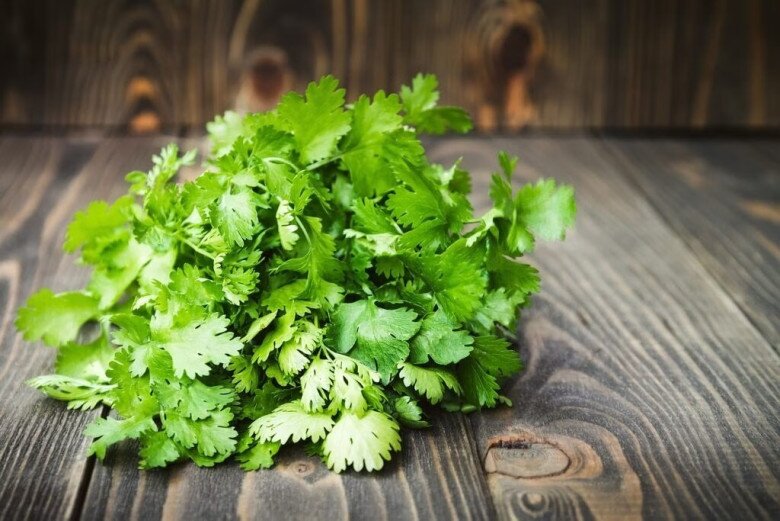
Cilantro, a flavorful herb, often poses a challenge due to its limited usage in recipes. Buying just a few sprigs at the market is inconvenient, while purchasing more risks wilting and spoilage. However, if you’re not using it fresh or in salads, buying a little extra and storing it properly can be both convenient and cost-effective.
Cilantro is highly perishable if not stored correctly, making proper preparation essential.
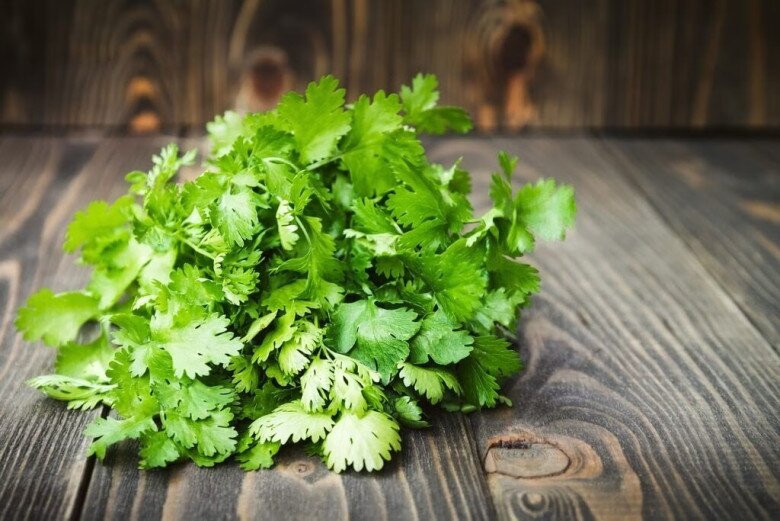
With its delicate leaves and vibrant green color, cilantro can quickly wilt and lose its appeal if not handled properly. Therefore, initial preparation is crucial for long-term storage.
How to Prepare Cilantro for Extended Freshness
Remove any wilted or damaged leaves. Avoid cutting the roots, as this accelerates yellowing and reduces freshness.
Wash the cilantro in clean water 2-3 times. Then, soak it in a mixture of diluted salt water and a pinch of baking soda for about 10 minutes. This step eliminates insect eggs and reduces pesticide residue. Avoid soaking for too long to prevent the leaves from becoming mushy.
After soaking, rinse the cilantro with clean water and let it dry thoroughly. Pat it gently with paper towels to remove excess moisture, ensuring no water remains when storing. You can also use a salad spinner to remove any lingering water.
Once the cilantro is completely dry, you can store it using the following methods:
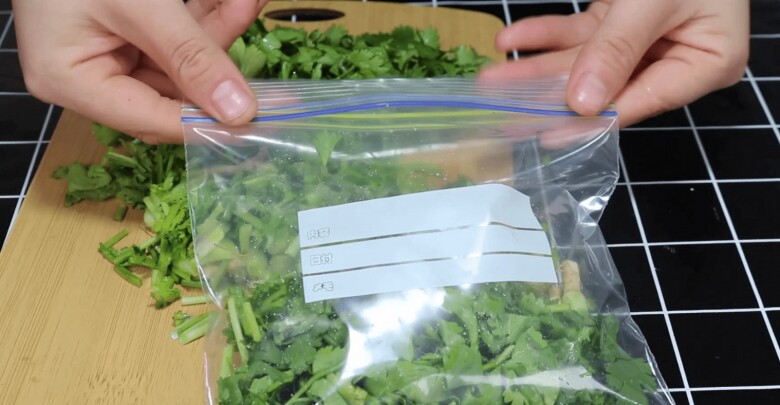
1. Using Plastic Bags
Place the cleaned and dried cilantro into a large plastic bag, squeeze out the air, and seal tightly. Store the bag in the freezer. This method keeps the cilantro fresh for up to 3 months, maintaining its flavor and texture.
2. Wrapping in Plastic Wrap
Lay the prepared cilantro on plastic wrap and gently roll it up, avoiding excessive tightness to prevent crushing the leaves. Place it in the freezer. This method preserves the cilantro for up to 6 months, keeping it fresh and vibrant.
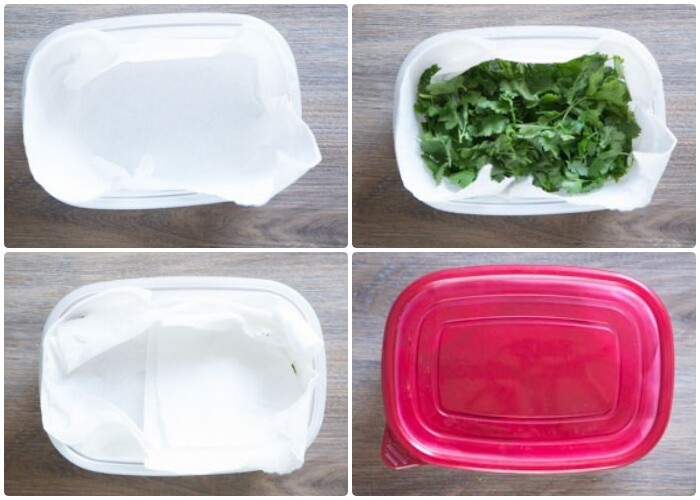
3. Using Airtight Containers
For this method, you can chop the cilantro into pieces or leave it whole, depending on your needs. Place it in an airtight container, seal it tightly, and store it in the freezer. The sealed environment prevents yellowing and significantly extends its shelf life.
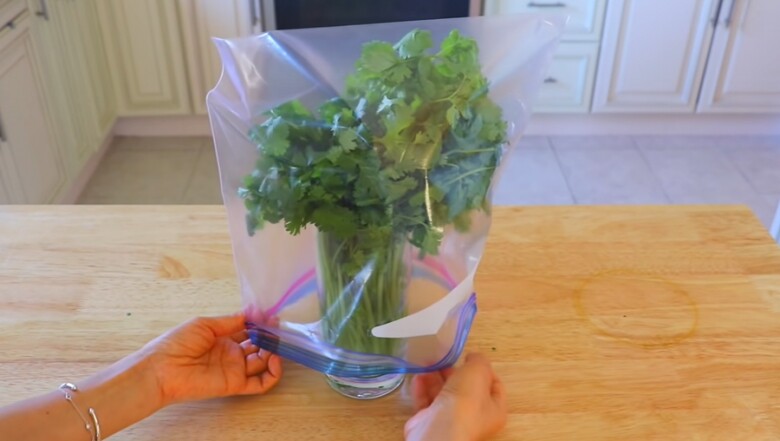
Hydroponic Storage Method
With this method, there’s no need to prepare the cilantro as described above. For the portion you haven’t used, you can “replant” it hydroponically: Prepare a clean plastic or glass jar, mix water with a bit of sugar, and stir well. Place the cilantro roots in this solution. The sugar acts as a nutrient, helping the cilantro maintain its freshness. Simply change the water periodically, and the cilantro will stay fresh for a long time.
“Buy Fresh Cilantro? Skip the Fridge! Simple Steps to Keep It Vibrant and Fresh Longer”
Cilantro’s delicate nature means it spoils quickly, making proper storage essential to avoid waste. Master the simple yet effective techniques to keep your cilantro fresh and flavorful for longer.
Preserving Corn: A Simple Hack to Keep Your Corn Fresh for Months
With its simple preservation method, corn can be stored for extended periods while retaining its natural sweetness and delicious flavor as if it were freshly picked.
“Keep Coriander Fresh and Fragrant: Avoid the Fridge, Try This Chef-Approved Tip Instead”

With just a few simple steps, you can keep coriander fresh and vibrant for longer.
Preserving Fresh Herbs for Long-Lasting Flavor: A Guide to Keeping Your Favorite Greens Handy This Lunar New Year
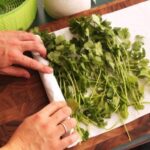
“Impress your guests this festive season with these handy tips and tricks. You’ll be able to serve up fresh herbs and leafy greens like spring onions, coriander, basil, and lettuce without constantly running to the markets. These simple hacks will ensure a constant supply of these ingredients, elevating your culinary creations and impressing your guests.”
The Surprising Uses of Banana Leaves: Unveiling the Unknown Benefits

The banana leaf is a versatile tool with a multitude of uses in everyday life, from cooking to food preservation. With its large surface area and natural waterproof qualities, it is an essential accessory in the kitchen. The banana leaf has a long history of being used for wrapping and storing food, and its natural waxy coating helps to keep food fresh and flavorful. It is also a natural and sustainable alternative to single-use plastics, making it an environmentally friendly option for conscious consumers. The versatility of the banana leaf knows no bounds, and it is a true wonder in the world of culinary arts and beyond.