




















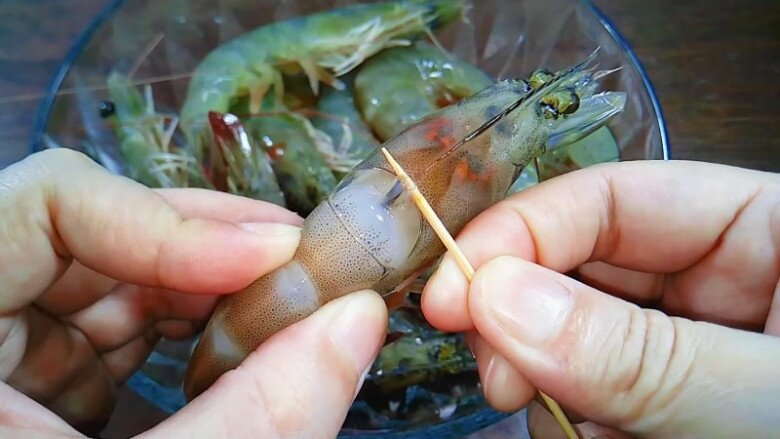
Inside every shrimp lies a vein, which is essentially its digestive tract. Many believe this vein harbors impurities, but in reality, it primarily contains undigested food rather than waste. Theoretically, removing the vein when eating shrimp is advisable, though not always necessary.
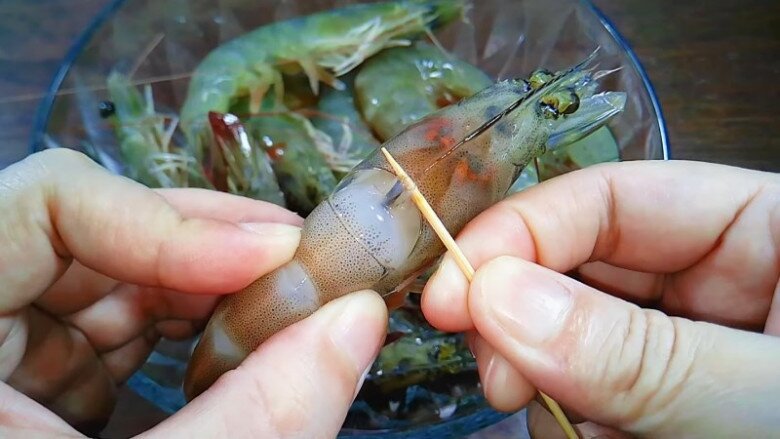
This perspective holds some truth but isn’t absolute. In live, healthy shrimp that haven’t been fed additional food, waste is expelled quickly, and food is fully digested, leaving minimal residue in the vein. Market shrimp, often stored in water tanks for extended periods, typically have cleaner veins, virtually free of waste.
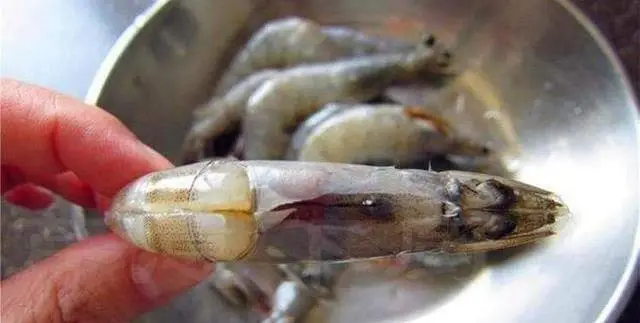
You might wonder, “If the vein is clean, why remove it?” Coastal fishermen rarely remove it. Others argue, “Whether clean or not, removal is safer, so why not?” Removing the vein can cause the shrimp meat to separate, compromising texture and flavor. If the vein is clean, leaving it intact enhances taste and nutritional value.
Concerns about bacterial contamination are valid, but cooking shrimp at high temperatures eliminates bacteria, ensuring safety. Thus, there’s no need to worry.
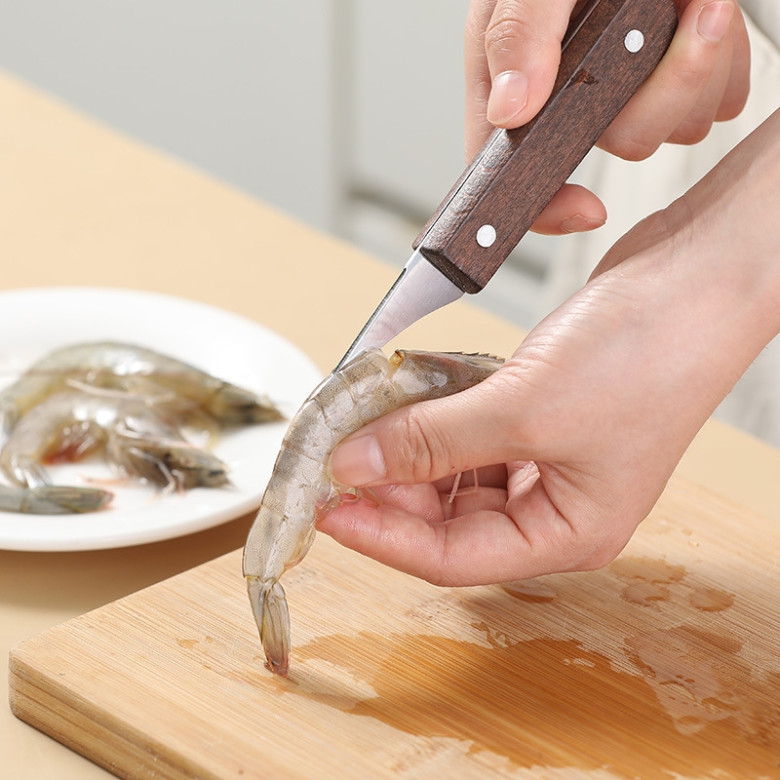
A fisherman shared, “Once, I cooked two shrimp dishes—one with veins removed, one intact. The intact dish was noticeably tastier. However, in my household, we habitually remove veins. Honestly, unpeeled shrimp can feel less appetizing, mostly due to habit.
Not all shrimp require vein removal; crayfish and lobsters from polluted environments must be cleaned due to potential heavy metals and parasites.”
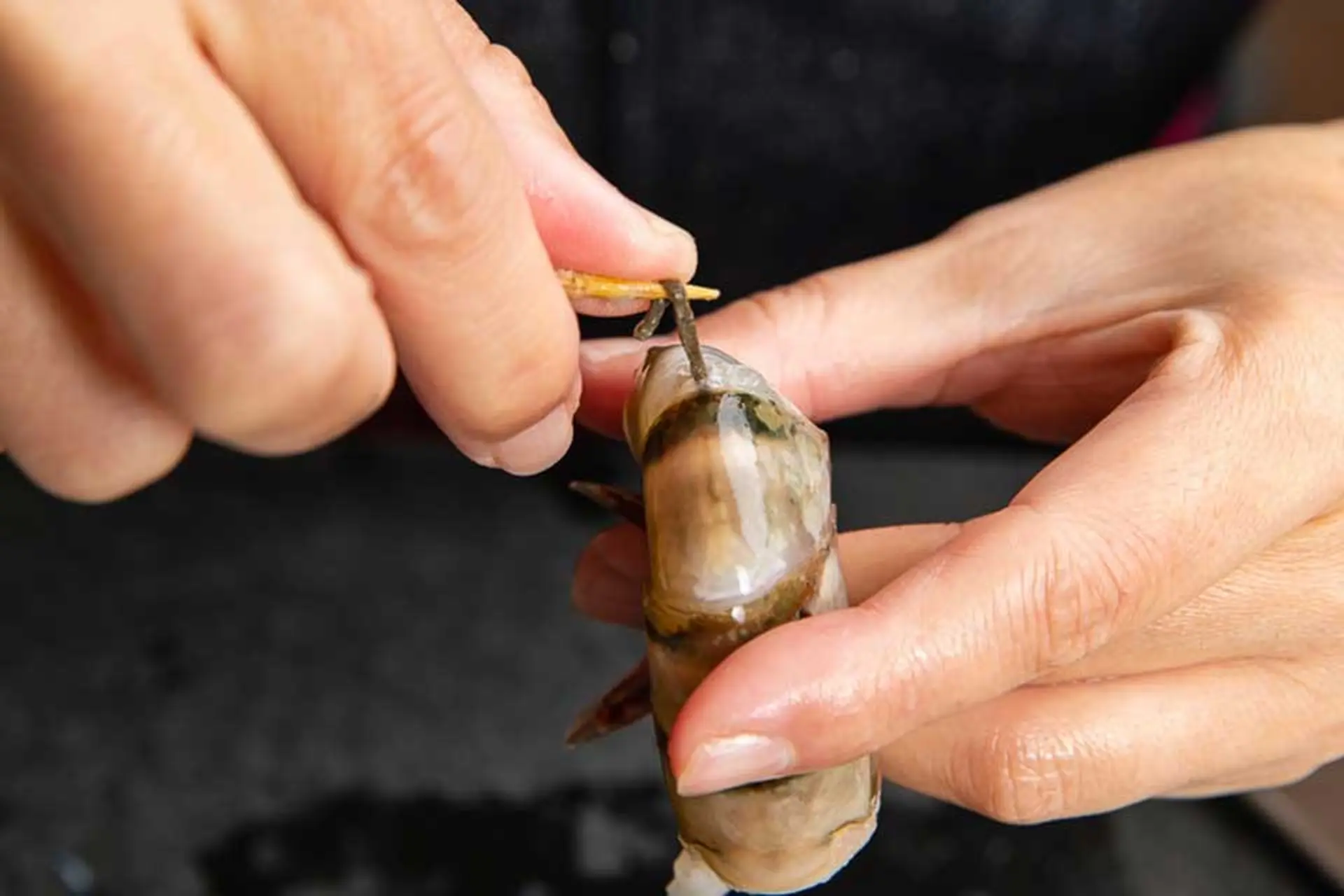
Key takeaways:
– Vein removal is largely a matter of personal preference.
– Crayfish and lobsters from polluted areas must have veins removed due to contamination risks.
4 Types of Eggs That Are Harmful and Should Be Avoided

When purchasing eggs, it is important to be vigilant and select only those that are intact and fresh. This ensures that your family’s meals are safe and healthy.
The Ultimate Guide to Uncovering the Parasitic Secrets of these 3 “Superfoods”

“Clean to the eye, nutritious to eat, but unbeknownst to many, these three types of fruits and vegetables harbor dangerous parasites invisible to the naked eye. The cleaner they seem, the more cautious we should be before consuming them.”
7 Supermarket Items the Sellers Themselves May Not Buy: A Smart Shopper’s Guide

Introducing the seven budget-friendly foods that are often a bargain, but can be a health hazard if not chosen wisely. These affordable eats can often be a false economy, with potential risks to your health. It’s time to wise up and ensure you’re getting a healthy deal.
Soak Meat in Tepid Water to Hasten Defrosting and Preserve Nutrients

Many people make the common mistake of submerging meat directly into tap water to defrost it. This method not only results in slow thawing but also leads to a loss of flavor and nutrients, and increases the risk of bacterial contamination. So, what is the best way to quickly defrost meat while retaining its nutritional value?
The Ultimate Guide to Vegetable Safety: Are You Eating Bacteria-Ridden Veggies?

An eminent food safety expert has issued a warning, urging consumers to exercise caution when eating a certain ubiquitous vegetable due to a heightened risk of food poisoning.