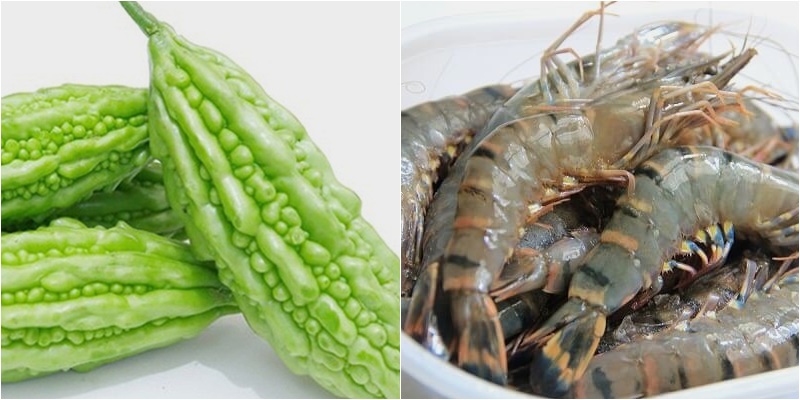

Achieving the perfect stir-fried bitter melon with eggs, while minimizing its natural bitterness, relies not only on preparation techniques but also on the order in which ingredients are added to the pan. With a few simple adjustments, this dish becomes more palatable while retaining its crispness and vibrant color.
Preparing Bitter Melon to Reduce Bitterness
Begin by rinsing the bitter melon thoroughly under running water to remove any surface dirt. When selecting bitter melon, opt for fruits with a light or jade green hue, as they tend to have a milder flavor. Darker green varieties are typically more bitter.
Next, trim both ends of the melon and slice it lengthwise. Use a spoon to scoop out the seeds and the white membrane inside, as these contain the compounds responsible for the bitterness. Ensure this step is done meticulously for best results.

Slice the melon into pieces of your desired thickness. Thinner slices make the dish more approachable, while thicker cuts preserve a subtle bitter edge, catering to different preferences.
Prepare a bowl of lightly salted water and soak the melon slices for about 10 minutes. This step helps mellow the bitterness. Avoid soaking for too long, as the salt can draw out moisture, making the melon soft and less crisp.
Blanching Bitter Melon for Crispness and Color Retention
Bring a pot of water to a rolling boil before adding the bitter melon slices. Once the melon turns a deeper shade of green, promptly remove it from the heat.
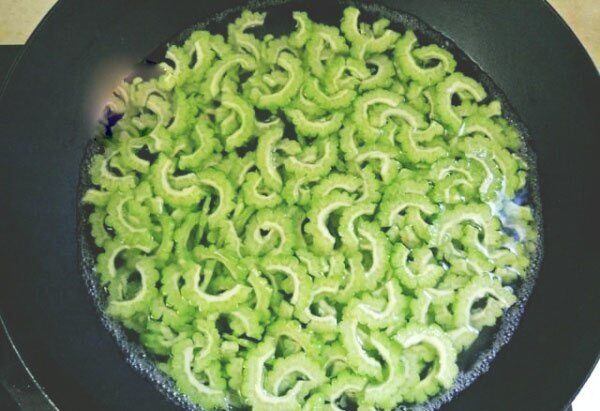
Immediately rinse the blanched melon under cold water or plunge it into an ice bath. This step not only preserves the crisp texture but also maintains the vibrant green color, preventing it from turning yellow during stir-frying.
Ensure the water is fully boiling before adding the melon. Adding it to lukewarm or partially boiling water can compromise the flavor and quality of the dish.
Stir-Frying: Melon First or Eggs First?
This is a common misstep in preparing this dish.
When cooking stir-fried bitter melon with eggs, always add the bitter melon to the pan first, followed by the beaten eggs.
Stir-frying the melon at high heat first helps reduce its bitterness. Adding the eggs after the melon is nearly cooked ensures they don’t absorb any bitterness, resulting in a harmonious and more enjoyable dish.

With these simple tips, from selecting the right ingredients to mastering the stir-frying sequence, you can create a delicious stir-fried bitter melon with eggs that is less bitter, crisp, and nutritionally rich.
10 Unique Ethnic Delicacies in Đắk Lắk That Captivate Every Traveler

Dak Lak captivates hearts not only with its breathtaking landscapes but also with its unique culinary delights. Discover the top 10 ethnic specialties of Dak Lak right now.
“Cooling Effects of Bitter Melon: Foods to Avoid When Pairing”

Beat the heat with refreshing bitter melon dishes and drinks! This summer staple’s natural bitterness is the perfect antidote to scorching temperatures. However, be mindful of potential food combinations when enjoying bitter melon.
Who Should Avoid Bitter Melon: A Comprehensive Guide

Individuals with sensitive stomachs, calcium deficiency, hypoglycemia, or low blood pressure should avoid consuming bitter melon. Additionally, children should either refrain from eating it or limit their intake to ensure their health and safety.
“2 Refreshing Ways to Cook Bitter Melon and Snakehead Fish Soup for Summer Heat Relief”

Discover the ultimate summer recipe: a refreshing bitter melon and snakehead fish soup, offering a subtly sweet aftertaste that perfectly cools you down. Master the secret to crafting tender, non-fishy fish cakes that elevate your summer meals to new heights of flavor.
7 Amazing Health Benefits of Bitter Melon
Everyone says that bitter melon is good for health. But is there scientific evidence to back this up? Join me as we uncover the top 7 incredible benefits of bitter melon in this article.