
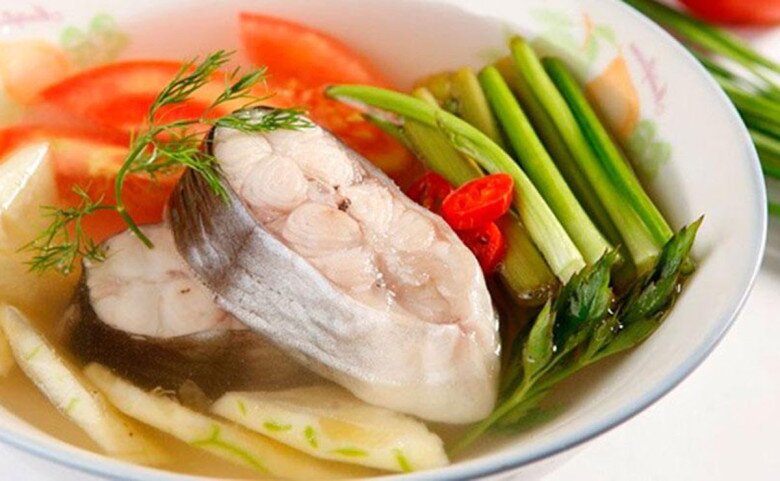
In reality, even a minor oversight in cleaning the fish or improper cooking can result in a strong fishy odor, cloudy broth, and soft, mushy fish meat, significantly diminishing the dish’s appeal. To address this, simply remember the following three crucial yet straightforward tips. Whether you’re cooking with tilapia, carp, catfish, or any freshwater fish, these secrets can be effectively applied.
1. Thoroughly Clean the Fish Inside and Out
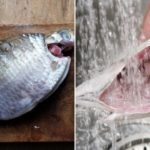
The preparation stage is the most critical factor directly impacting the flavor of fish soup. Many people only go as far as scaling, gutting, and rinsing the fish with water, but this isn’t enough to completely eliminate the distinct fishy smell.
One often overlooked part is the black membrane inside the fish’s belly. This area harbors numerous impurities and is a primary cause of the unpleasant fishy odor after cooking. Therefore, after gutting the fish, use a knife or spoon to gently scrape off this membrane.
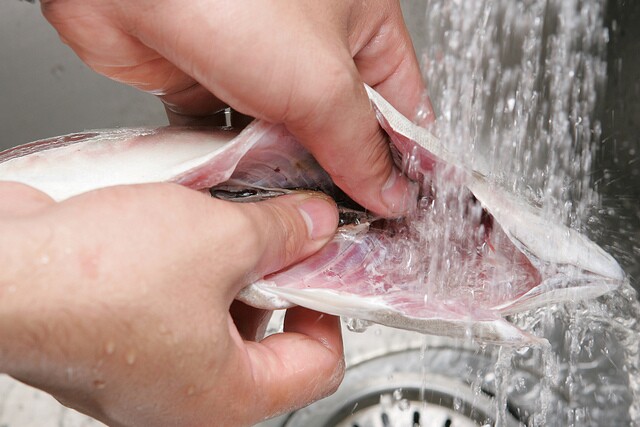
Additionally, the fish gills accumulate a lot of dirt and have the strongest fishy smell, so they must be thoroughly removed during preparation. After cleaning, rub the fish with some crushed ginger or rinse it with a bit of white wine for more effective odor removal. Finally, rinse it with clean water and let it drain completely.
Another handy tip is to score the fish with a few diagonal cuts. This helps the fish absorb flavors better, cook more evenly, and look more appealing when served. Additionally, ensuring the fish is dry before cooking prevents the broth from becoming cloudy.
2. Pan-Fry the Fish Before Cooking for Firmer, More Aromatic Meat and Reduced Fishiness
Many people are in the habit of adding fish directly to the pot after preparation. While this method is quick, it often results in soft, mushy fish meat and a persistent fishy odor that’s hard to eliminate.
For a more delicious soup, lightly pan-fry the fish in a moderate amount of oil until the surface tightens and turns a pale golden color. There’s no need to fry it thoroughly; just sear the exterior slightly.

This simple step offers several significant benefits. First, the fish retains its firmness during cooking, preventing it from breaking apart in the soup. Second, the light pan-frying significantly reduces the fishy odor while enhancing the fish’s natural aroma. As a result, the broth becomes more flavorful and enticing.
This is a secret many home cooks use to achieve a fuller-flavored fish soup without adding excessive seasonings.
3. Cooking with Hot Water Keeps the Fish Meat Firm and the Broth Clear and Sweeter
After pan-frying, the fish meat is hot. If you add it to cold water, the sudden temperature change causes the fibers to contract, making the meat soft and losing its natural firmness.
Ideally, prepare boiling or hot water before adding the fish. The high temperature helps stabilize the fish’s surface, maintaining its firm, sweet texture without breaking apart. This method also shortens cooking time, preserving the natural sweetness of the fish meat.
Another tip is to always add hot water if more is needed during cooking. Adding cold water can reintroduce the fishy odor and significantly reduce the soup’s quality.
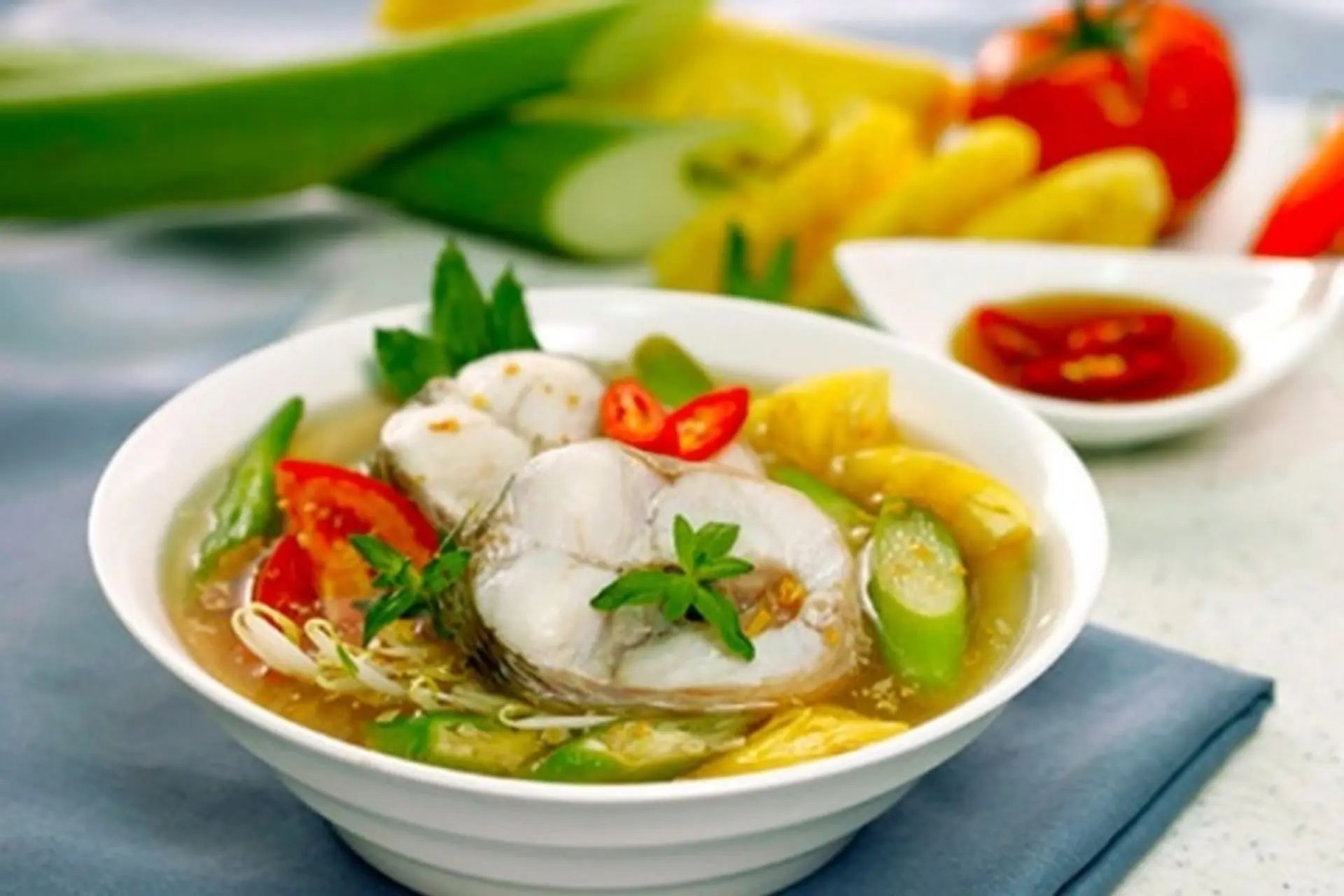
Additionally, maintain a medium to high heat while cooking. A consistent temperature helps impurities rise to the surface quickly, resulting in a clearer broth and minimizing the release of fishy odors during cooking.
By remembering these three principles—thoroughly preparing the fish, pan-frying it before cooking, and always using hot water—you can easily create a delicious fish soup with clear broth, natural sweetness, and firm, odorless fish meat. These simple yet highly effective tips will elevate your familiar family fish soup to new heights.
The Secret to Reducing Fish Odor: Remove This Vein!
Introducing a treasure trove of tips and tricks to eliminate the pungent fishy odor, enhancing the flavor of your fish dishes beyond imagination. Uncover the secrets to transforming your culinary creations, taking your taste buds on an extraordinary journey with every bite.
The Ultimate Guide to Eliminating Fishy Odors from Seafood

“Fresh seafood often has a fishy smell and taste, which, if not properly removed, can ruin a delicious meal. Join us as we explore expert tips and tricks on how to effectively eliminate that fishy odor and taste, ensuring your seafood dishes are absolutely mouth-watering!”
Here Are the 5 Most Toxic Parts of a Fish You Should Clean Before Cooking

When cooking fish, it’s important to remember that not all parts are created equal. There are 5 key areas that require special attention to ensure a safe and delicious meal. By thoroughly cleaning these specific parts, you can eliminate toxins and create a culinary masterpiece that’s both healthy and tasty. Trust us, it’s worth the extra effort!
Eliminate unwanted odors in your kitchen after the Lunar New Year with this highly effective trick.

The kitchen is where cooking happens, and it can accumulate various food odors if not cleaned properly. By applying these tips, you can effectively eliminate odors from kitchen utensils.
Wash fish with this water to remove slime and odor effectively.
Instead of using regular water, you can utilize this type of water to eliminate the fishy smell of the fish.