When was the last time you cleaned your refrigerator? Did you simply move a few items aside, wipe down the surfaces, and call it a day? You’re not alone; many people do the same. However, this approach not only leaves hidden grime behind but can also compromise food safety.
A better method is to remove all shelves and drawers, wash them thoroughly with mild soap or a vinegar-water solution, and let them dry completely before reassembling. Take this opportunity to inspect the walls and corners of the fridge, where spills, crumbs, and residue often hide, and clean those areas as well.
Why This Is a Bad Idea
Don’t Neglect the Corners
Wiping down shelves while they’re still inside the fridge may seem harmless, but it’s far from ideal. This method can spread harmful bacteria. As you clean, dirty water may drip down, carrying food particles or residue from upper shelves to lower drawers. This runoff can contain bacteria like Salmonella or Listeria from raw meat, turning your fridge into a breeding ground instead of a clean storage space.
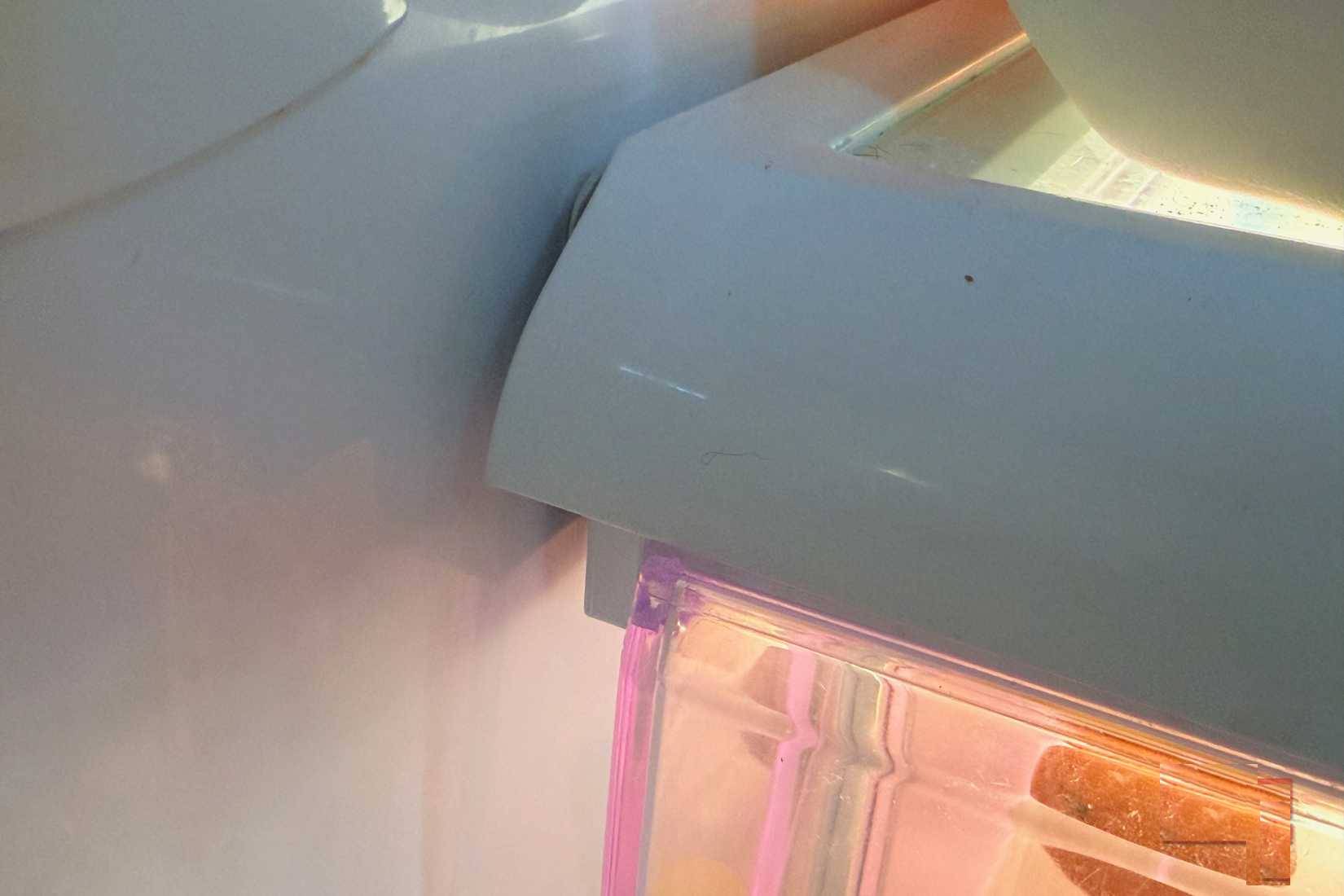
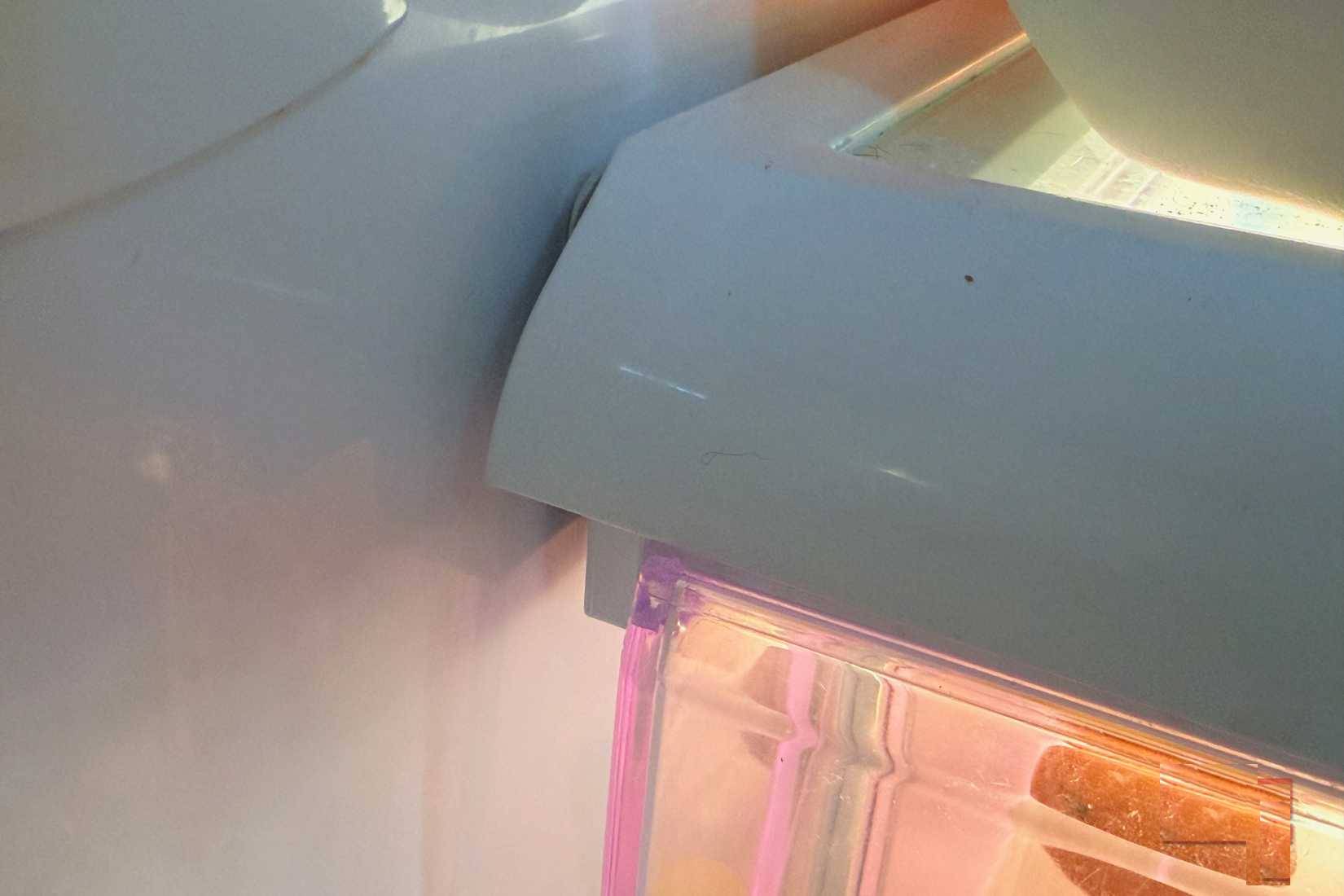
Another critical issue is that cleaning shelves in place often overlooks hard-to-reach areas. Shelves and bins have corners and crevices where bread crumbs and sticky liquids accumulate. Standard sponges can’t access these tight spots, allowing grime to build up over time. Eventually, lingering moisture and debris can lead to mold, unpleasant odors, or even food spoilage. With food prices rising, it’s essential to maximize freshness and minimize waste.
Some people also use commercial cleaners inside the fridge, which is equally problematic. Residue from these products can contaminate food if not rinsed thoroughly.
Did you know? Which refrigerator brand is the best?
The Right Way to Clean Your Fridge
Take Time to Clean Thoroughly
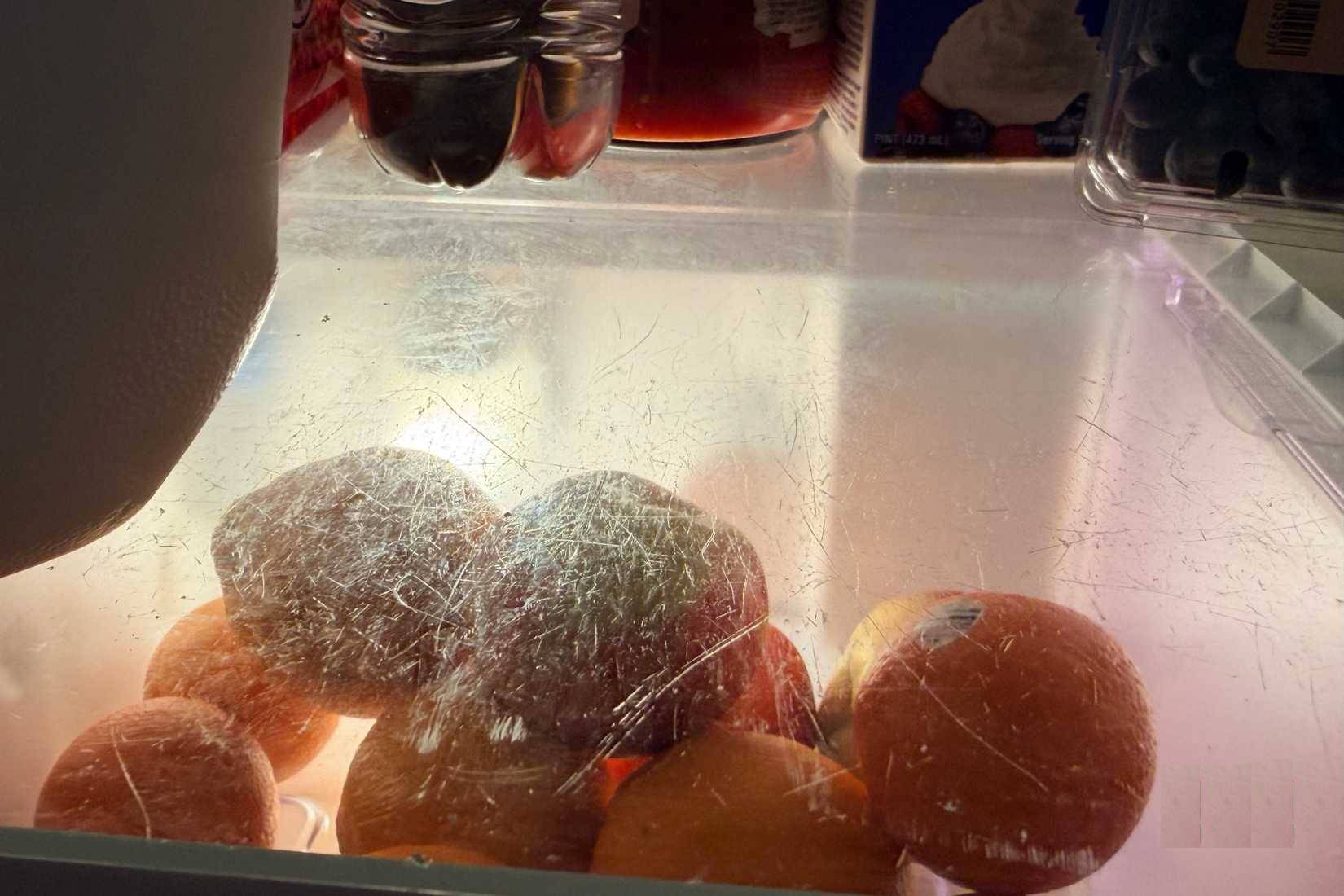
When cleaning your fridge, start by removing all shelves and drawers. Wash them with warm, soapy water, rinse thoroughly, and allow them to air dry before placing them back inside. For interior walls, use a simple vinegar-water mixture or a baking soda solution, both effective for deodorizing and preventing bacterial growth.
Some people wipe down items without removing shelves if the fridge appears clean and odor-free. While this works for quick touch-ups, it shouldn’t replace a deep clean.
Bacteria can lurk in unexpected places. Even a small drip from a meat package or produce bag can silently spread contaminants in the cold air surrounding your food. Spending a few extra minutes on a thorough clean prevents odors and keeps food fresher longer.
Additional Tips
Keep Your Fridge Clean Inside and Out
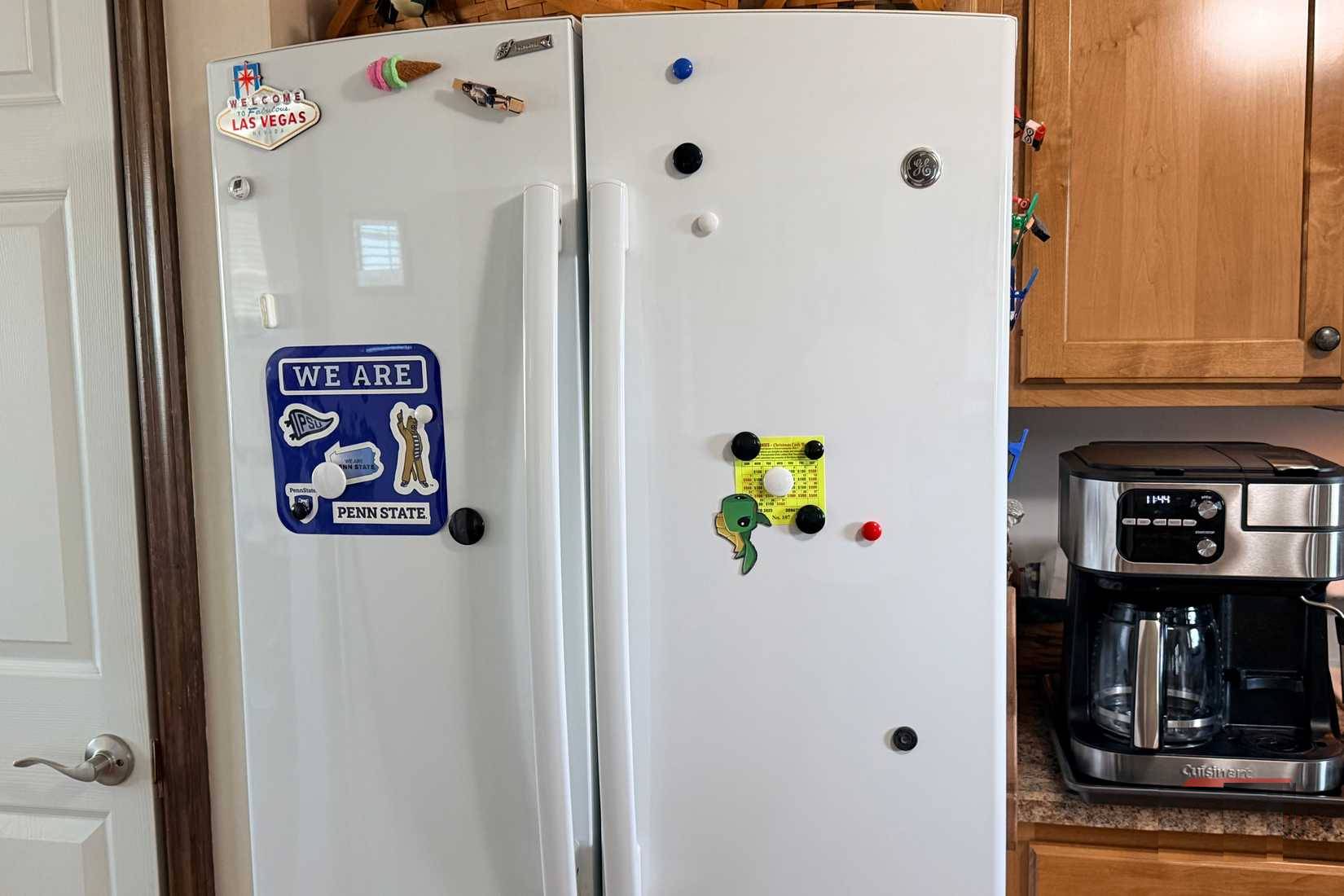
Exterior cleaning is as important as interior maintenance. Use a mild soap solution and warm water, applied with a soft cloth or microfiber towel. Gently wipe down all surfaces, including doors, handles, and seals. Dry thoroughly to avoid streaks.
For stainless steel fridges, use a stainless steel cleaner or a damp cloth with mild soap, wiping in the direction of the grain to maintain shine and prevent scratches. Avoid abrasive cleaners, scouring pads, bleach, ammonia, vinegar-based cleaners, window sprays, or abrasive paper towels, as these can damage the finish.
When cleaning handles, use a gentle household cleaner or polish. Products like Mr. Clean Magic Eraser are effective for stubborn stains. Regular exterior cleaning maintains the appliance’s appearance, extends its lifespan, and keeps it looking fresh.
For safety, always unplug the fridge before cleaning areas like vents or coils at the back or bottom.
If your fridge develops unpleasant odors, refer to our guide: “10 Simple and Effective Ways to Eliminate Fridge Odors.”