
Wild brinjal, also known as forest eggplant or wild forest eggplant, is a common wild plant found in the mountainous provinces of Northwest Vietnam. Once considered a nuisance due to its rampant growth in fields, this plant has recently transformed into a sought-after delicacy, gracing restaurant menus and captivating urban dwellers eager to sample its unique flavor.
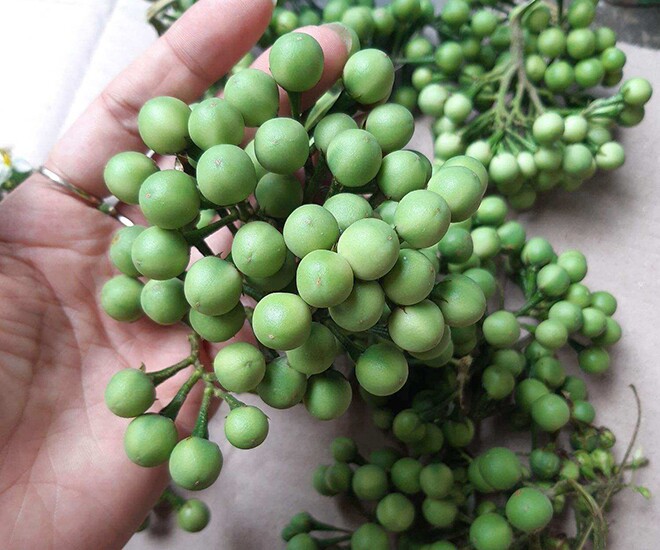
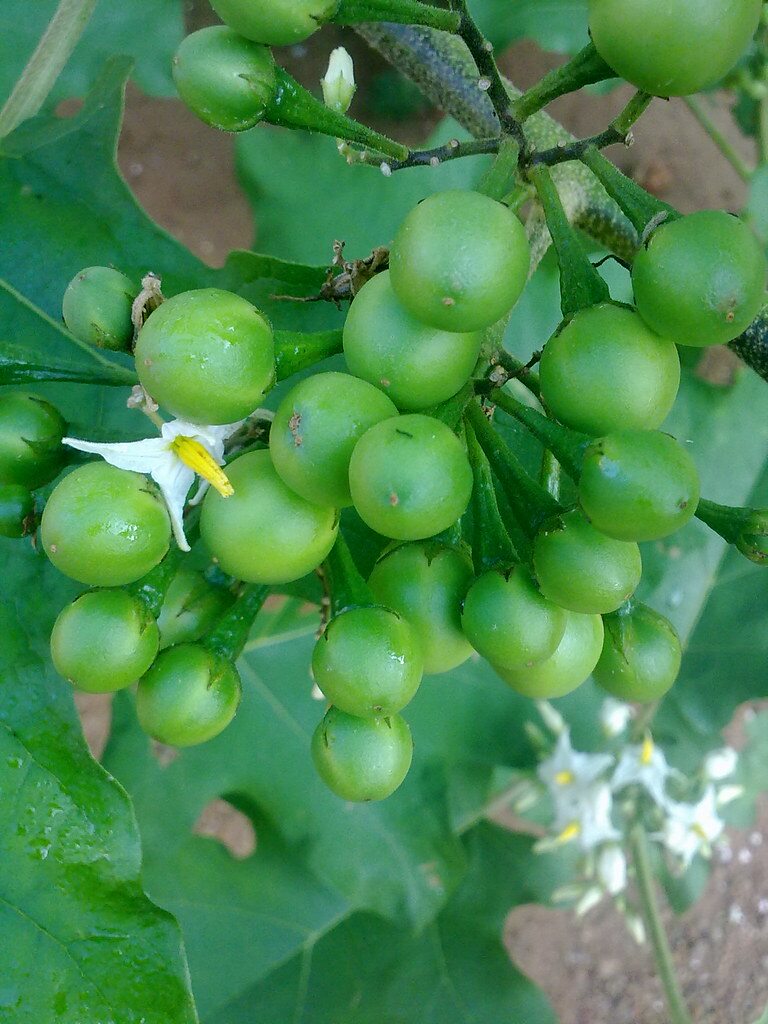
This shrub-like plant can grow up to 2-3 meters tall, with a sturdy stem occasionally adorned with small thorns. Its dark green, egg-shaped leaves feature unevenly lobed edges. The white flowers, resembling stars with five spread-out petals and yellow stamens, give way to tiny clusters of fruit. Each fruit measures around 1-1.5 cm, transitioning from deep green when young to a lighter shade as it matures. These dense clusters of fruit resemble charming “mini eggplants.”
The allure of wild brinjal lies in its distinctive flavor. While slightly bitter when raw, this bitterness mellows during cooking, leaving a rich, aromatic aftertaste. The people of Northwest Vietnam have ingeniously crafted numerous delectable dishes from this humble fruit.
A popular choice is wild brinjal stir-fried with meat. When cooked with pork or beef, the fruit absorbs the flavors, creating a harmonious blend of mild bitterness and meatiness that pairs perfectly with rice. Additionally, wild brinjal is often used in soups with stream fish, shrimp, or meat, resulting in a refreshing broth with a subtle bitterness, ideal for summer days.
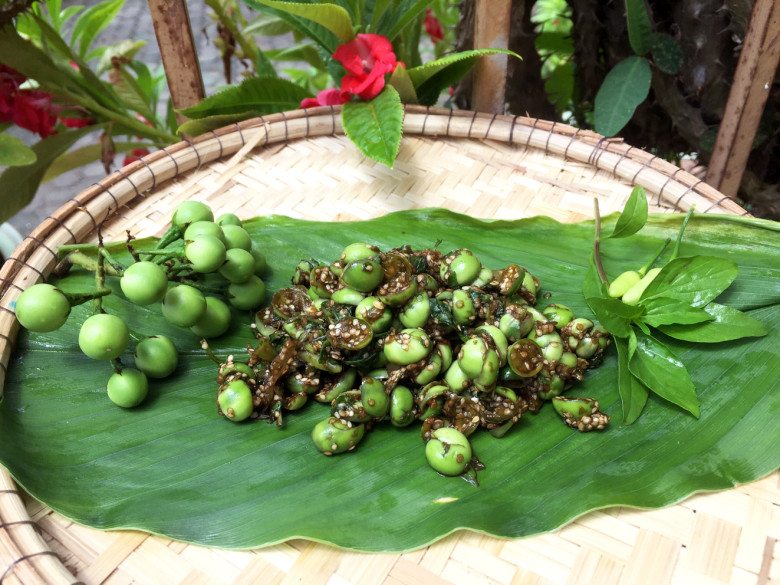
A simple yet beloved dish is boiled wild brinjal. After boiling, the stems are removed, and the fruit is mixed with finely chopped lime leaves, a pinch of salt, or seasoning powder. This rustic dish encapsulates the essence of the mountains, leaving a lasting impression on those who try it.
Wild brinjal is also pickled, similar to pickled eggplants. After a few days, the fruit becomes crisp, slightly sour, and significantly less bitter, making it a delightful snack. Pickling is also an effective preservation method for year-round enjoyment.
Once left to rot at the base of the plant, ripe wild brinjals are now highly coveted. During the harvest season from May to August, locals forage in the forests to collect the fruit, selling it along roadsides or at local markets. Traders often buy in bulk from villagers to sell to tourists or passersby. Urban consumers, in particular, appreciate this fruit as a natural, chemical-free product. They frequently purchase several kilograms to take home as gifts or for family meals. Online, wild brinjal fetches around 60,000 VND per kilogram, yet remains in high demand.
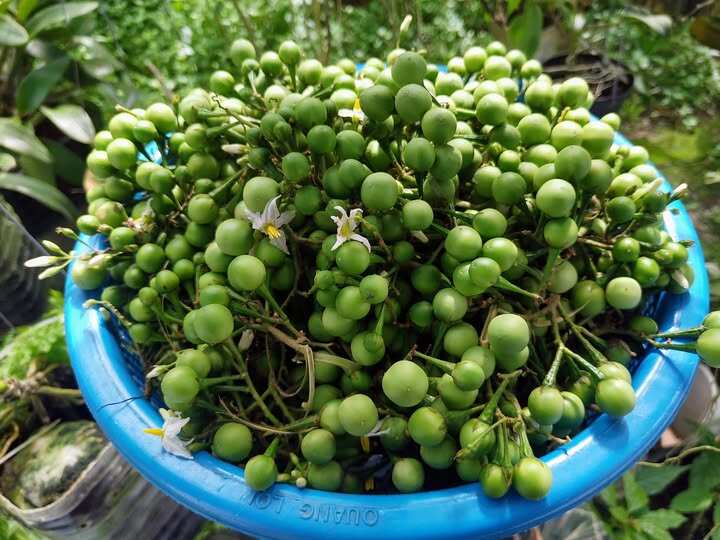
Beyond foraging, many households have begun cultivating wild brinjal in their gardens and hillsides. This plant is relatively easy to grow, thriving in the mountainous climate with minimal pest issues and requiring little maintenance. It can be grown from seeds or seedlings, with harvest possible just three months after planting.
Cultivation ensures a more stable supply, reducing reliance on wild sources. It also offers villagers opportunities to expand production and increase income.
“The World’s Best Fruit” Found in Lai Chau: A Summer Delicacy, Plant Once and Harvest for Years

Once a wild forest fruit thriving on the high mountain slopes of Northwest Vietnam, mắc cọp has now become a sought-after delicacy during its season. Known for its crisp sweetness and refreshing taste, this fruit is a favorite summer treat.
Discover the Best of Northwest Vietnam: 12 Must-Visit Destinations for First-Time Travelers
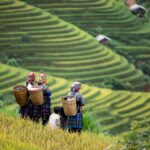
Uncover the breathtaking beauty of Northwest Vietnam’s most renowned destinations. Explore the must-visit provinces in the Northern region, including Lai Chau, Son La, Dien Bien, Hoa Binh, and more, each offering its unique charm and allure.
A Hidden Gem 200km from Hanoi: Where Cloud-Hunting Meets Stunning Mountainous Wild Cherry Blossoms

Not only is this place renowned for its mystical cloud-hunting peak, but it also captivates with its breathtaking white apricot blossom season and the rich flavors of Northwest specialties. Once you set foot here, you’ll be enchanted, never wanting to leave.
Ultimate 2022 Travel Guide to Kim Bôi, Hòa Bình: Insider Tips & Experiences
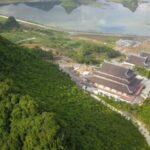
Kim Bôi in Hòa Bình is a captivating travel destination that has been gaining attention. We are excited to share the latest travel insights and experiences for Kim Bôi – Hòa Bình in 2022.
Discover the Top 5 Must-Visit Attractions in Dien Bien Dong (Dien Bien) for an Unforgettable Adventure

Discover the enchanting allure of Dien Bien Dong, one of Dien Bien Province’s most celebrated travel destinations. Explore five captivating and renowned attractions that make this region a must-visit for any traveler.