
Starting your day with a bowl of cereal is now considered a quick, convenient, and delicious breakfast option that provides essential nutrients and energy. But do you truly understand all the benefits of this meal and how to eat it properly? Let’s explore together.
1 The Benefits of Eating Cereal for Breakfast
Cereals are typically rich in fiber, vitamins, minerals, iron, and protein.
-
Boosts Energy: Cereals are high in calories and serve as an excellent energy source. A bowl of cereal like oatmeal in the morning provides the energy needed to power through the day.
-
Prevents Constipation: Rich in fiber, regular cereal consumption at breakfast helps prevent constipation and supports healthy bowel movements.
-
Aids Digestion: Cereals promote digestion due to their high fiber content and prebiotics, creating an ideal environment for beneficial gut bacteria.
-
Regulates Blood Sugar Levels: The fiber in cereals slows glucose release, helping maintain stable blood sugar levels.
-
Reduces Cholesterol, Supports Heart Health: Soluble fiber in cereals lowers cholesterol levels and reduces the risk of heart-related diseases.
-
Maintains Healthy Weight: High fiber content keeps you full longer, reducing overeating.
-
Prevents Cancer: Studies suggest cereals may help prevent colon cancer and inhibit the growth of breast cancer cells.
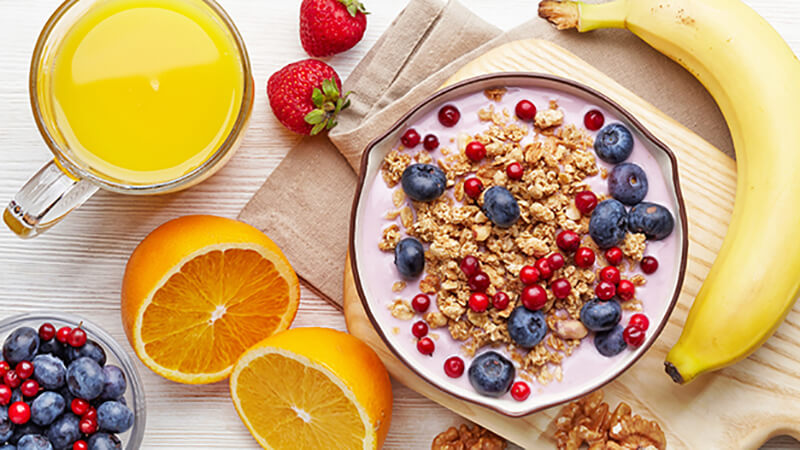
2 How to Eat Cereal for Breakfast
Cereals are commonly paired with milk, yogurt, fruits, or nuts.
While cereals are nutrient-dense, containing ample fiber, vitamins, minerals, iron, and protein, it’s important to consume them in moderation to avoid issues like bloating or indigestion.
Additionally, cereals often contain significant amounts of sugar, so always check the ingredient list before purchasing. Here are some tips for a healthier breakfast:
3 Tips for Choosing Breakfast Cereals
-
Food companies often avoid using the term “sugar” on labels, opting instead for glucose, fructose, sucrose, or agave syrup. Always scrutinize the ingredient list before buying.
-
Choose cereals high in fiber and whole grains, with low sodium, sugar, and fat content.
-
Lauren McGuckin, a nutritionist and spokesperson for the Australian Nutrition Association, emphasizes the importance of ingredient sourcing, particularly the origin of sugars. Nutritionists recommend no more than 10g of sugar per 100g of cereal.

McGuckin recommends opting for whole-grain cereals with natural grains, providing healthy fats and oils.
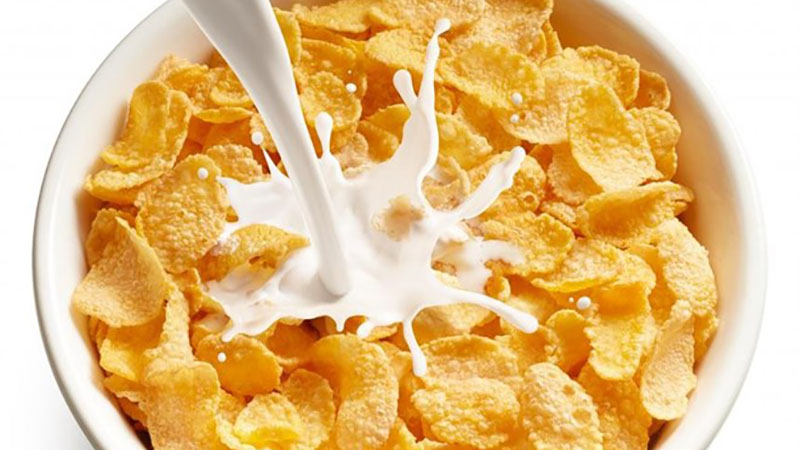
Lyndi Cohen, a leading Sydney-based nutritionist, shares a simple test to determine cereal healthiness: Add cereal to milk. If it dissolves quickly, it’s likely high in sugar and unhealthy.
While calorie-rich, cereals lack sufficient protein and other nutrients. Limit cereal consumption to 2-3 times per week, and balance your diet with nutritious meals like pho, hu tieu, or com tam.
For more details, visit Tips for Choosing Breakfast Cereals
Cereal is a great breakfast choice, providing energy after a night of bodily activity during sleep. Eat breakfast wisely to maintain optimal health.
Source: Vinmec
Explore More Articles:
Top 5 Food Trends of 2026: Beauty-Boosting & Fat-Burning Superfoods Revealed

In 2026, food transcends mere sustenance, becoming the cornerstone of health and beauty. From fiber-rich ingredients and omega-3-packed fatty fish to pomegranates and legumes, the latest nutritional trends focus on sustainable weight loss, radiant skin, and internal anti-aging.
“Affordable, Nutritious Breakfast Secrets of High-Society Lady Tăng Thanh Hà”

Start your day like a star with a nutrient-packed breakfast inspired by Tăng Thanh Hà. This simple yet powerful combo of sweet potatoes and boiled eggs fuels your morning with sustained energy, delivering healthy carbs and skin-loving protein for a radiant glow and a fit physique.
6 Belly Fat-Busting Foods: Everyday, Affordable, and Surprisingly Effective

Unlock a slimmer waistline without breaking the bank or resorting to extreme diets. Everyday kitchen staples, when incorporated wisely, can effectively target belly fat. By mastering the art of balanced nutrition, women can effortlessly manage their weight while embracing a healthier, more radiant physique.
“The Most Desirable Figure in Showbiz: How One Celebrity Lost 10kg Rapidly by Eating Just Two Foods, the First Being a Gym-Goer’s Favorite”

At 34, this beauty remains irresistibly captivating, boasting a youthful radiance and an enviably sleek figure that continues to turn heads.
“China’s Most Beautiful Woman”: 55-Year-Old Looks 25, Reveals 3-Word “Fountain of Youth” Secret—Easy to Say, Hard to Do

Dubbed the “Most Beautiful Diaochan on Screen,” Chen Hong, now in her late 50s, continues to captivate audiences with her youthful and radiant beauty, rivaling even women in their 20s.