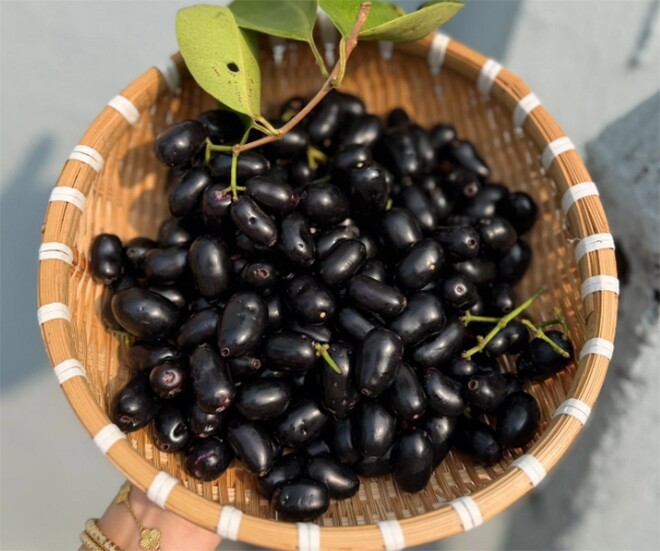
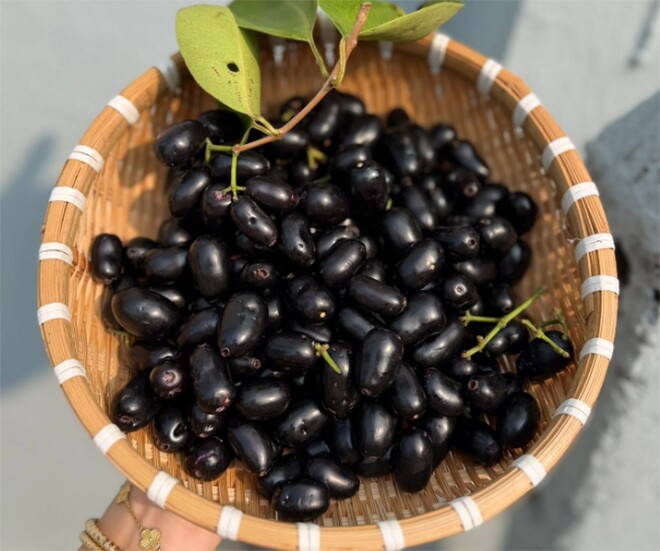
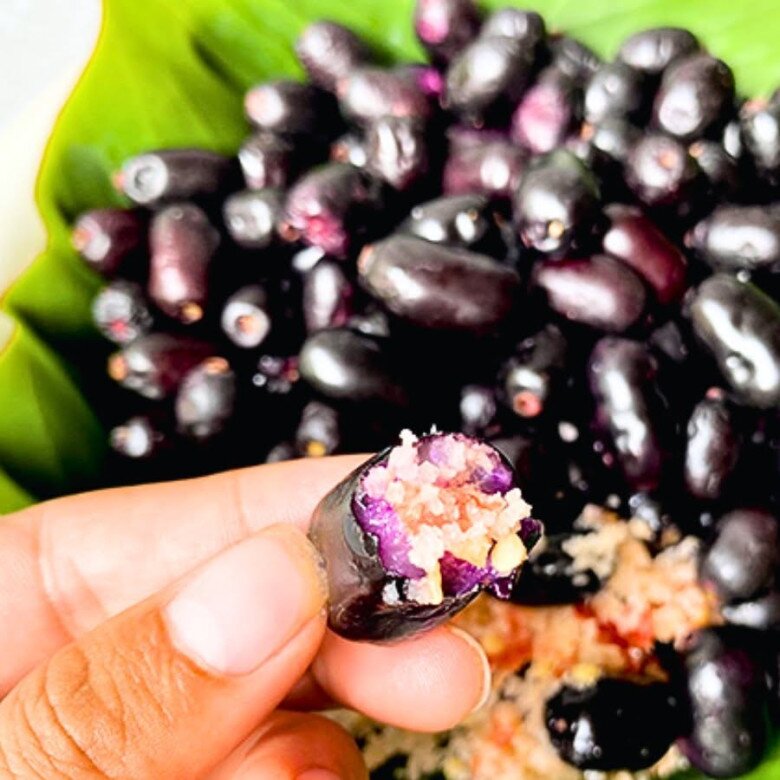
The blackberry, also known as forest blackberry or wild blackberry, grows naturally around Mount Cấm and Mount Dài. Unlike many fruit trees that require meticulous care, blackberry trees thrive primarily on natural conditions, are drought-resistant, and have a lifespan of several decades. Older trees yield more fruit, becoming a significant income source for local families.
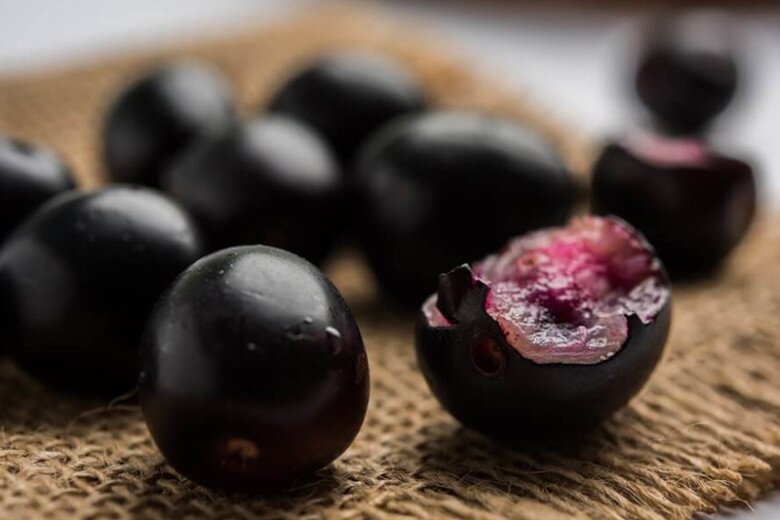
Blackberry season typically begins in mid-April and lasts until around June. Initially green, the fruit turns red and then deepens to a dark purple-black when fully ripe. At its peak, the blackberry has a smooth, glossy skin, is plump, and is about the size of a fingertip, yet it contains thick, juicy flesh.
What makes blackberries so beloved is their unique flavor. Each bite offers a delightful balance of mild tartness, sweetness, and a hint of astringency. Riper, darker berries are sweeter and less astringent. Locals in An Giang enjoy them fresh or paired with chili salt or shrimp salt for added zest. Visitors often rave about the fruit’s exotic taste and the distinctive purple stain it leaves on the lips.
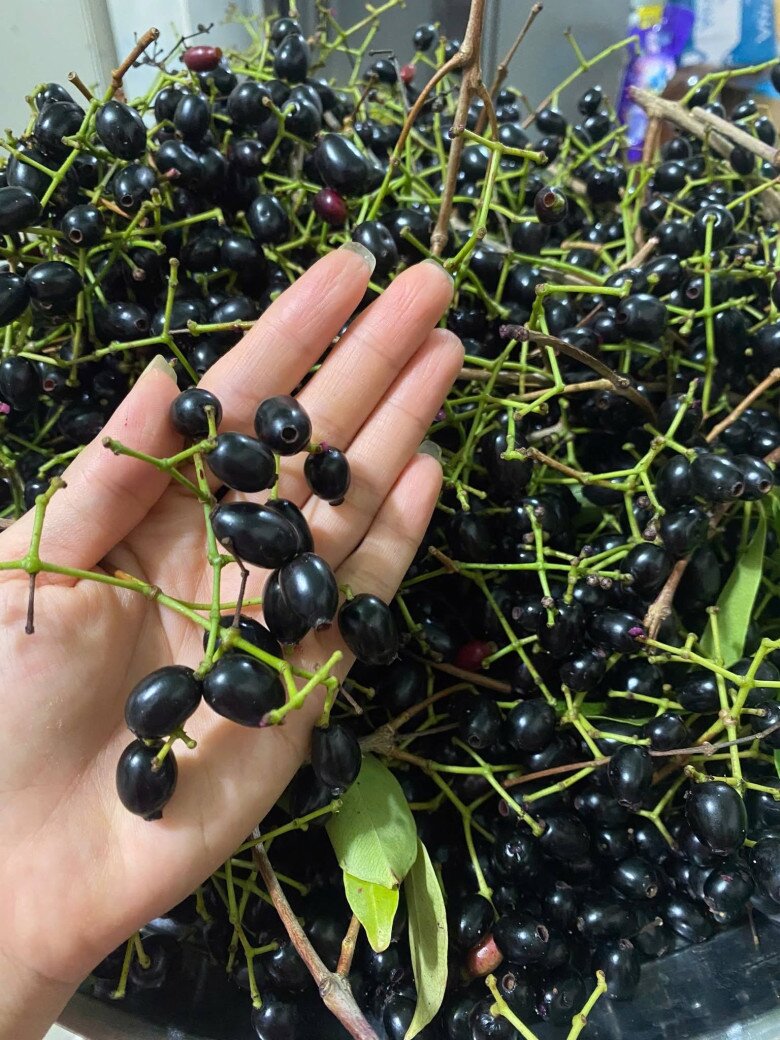
According to local expertise, the quality of blackberries depends heavily on the weather. In sunny years, the fruit is smaller but sweeter, while rainy seasons produce larger but less flavorful berries. Trees with lush, green foliage typically yield fruit with more flesh and superior quality.
Beyond being a rustic treat, blackberries provide steady income for many households. A mature tree can produce hundreds of kilograms of fruit per season. During harvest, traders often visit orchards to secure and distribute the fruit to major cities. Retail prices can reach up to 80,000 VND/kg, depending on the season.
Harvesting blackberries is no easy task. Ancient trees, often towering dozens of meters high, require pickers to climb to the canopy or use long bamboo ladders to reach ripe clusters. This work demands experience, skill, and caution, as one misstep can lead to danger. Skilled harvesters, however, can collect 20–30 kg of fruit daily during peak season.
Health Benefits of Blackberries
Rich in Antioxidants
Blackberries are packed with antioxidants that neutralize free radicals, protect cells from damage, and reduce the risk of chronic diseases like heart disease, diabetes, and certain cancers.
Boosts Immune System
High in vitamin C, vitamins, and minerals, blackberries enhance immunity, helping the body fend off illnesses and maintain overall health.
Supports Blood Sugar Control
With a low glycemic index (GI), blackberries help stabilize blood sugar levels after meals, aiding in diabetes management.
Enhances Metabolism
Natural compounds like gallic acid and ellagic acid in blackberries are believed to support metabolism, improving overall bodily efficiency.
Promotes Heart Health
Potassium and antioxidants in blackberries help maintain stable blood pressure, protect blood vessels, and support cardiovascular health.
Aids in Weight Management
Low in calories and high in fiber, blackberries promote satiety, support digestion, and are ideal for weight-conscious diets.
Enhances Skin Health
Vitamin C and antioxidants protect the skin from free radicals, reduce dark spots, brighten the complexion, and slow aging.
Improves Oral Health
Blackberries’ natural antibacterial properties reduce mouth bacteria, protect teeth and gums, and lower the risk of infections.
Precautions When Eating Blackberries
– Avoid excessive consumption due to high tannin levels, which can cause constipation.
– Those with sensitive stomachs may experience heartburn or indigestion if overeating.
– Pregnant and breastfeeding women should consume in moderation and consult a doctor if needed.
– Individuals with kidney issues should limit intake due to oxalate content, which can increase kidney stone risk or worsen existing conditions.
Two Delicious and Irresistible Passion Fruit Glazed Salmon Recipes

Salmon is a nutrient-rich superfood, packed with health benefits. Join us at Bách hóa xanh as we uncover a mouthwatering recipe for salmon with passion fruit sauce, a dish that’s sure to tantalize your taste buds!
What is Plantain Banana? Discover Its Amazing Benefits
Discover the allure of Plantain Bananas, a beloved fruit cherished by families worldwide for its versatility and nutritional benefits. What exactly are Plantain Bananas, and why are they a healthy addition to your diet? Dive into our insightful guide to uncover the answers.
Unleashing Hidden Dangers: The Risks of Improper Passion Fruit Consumption

Experience discomfort after consuming passion fruit, such as bleeding, drowsiness, or fatigue? Seek immediate medical attention at the nearest healthcare facility. Improper consumption of passion fruit can lead to serious health risks. Explore the potential dangers and learn how to enjoy this fruit safely with our insightful guide below.
Unlocking the Benefits of Corn: How Much Should You Eat Daily?

Corn is a nutrient-dense superfood packed with health benefits. From supporting diabetes management and boosting digestion to reducing cancer risk, enhancing brain function, protecting eye and heart health, and promoting radiant skin, corn is a powerhouse ingredient for overall well-being.
Cilantro Unveiled: 30 Amazing Benefits and Effective Usage Tips

Unlock the incredible benefits of cilantro in cooking, beauty, and health. Discover how this versatile herb can elevate your daily routines and make the most of its potential.