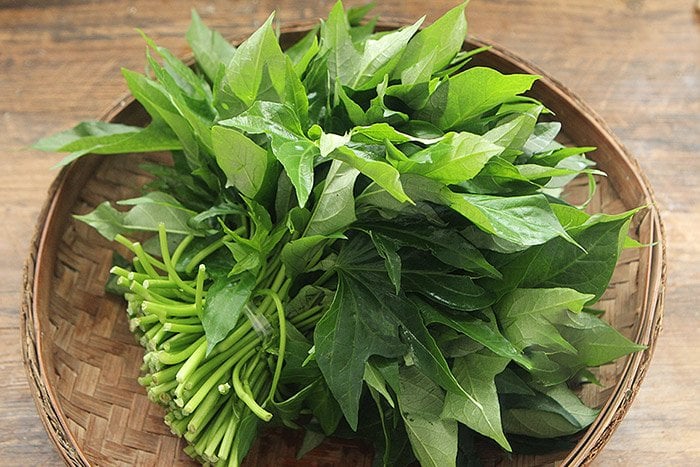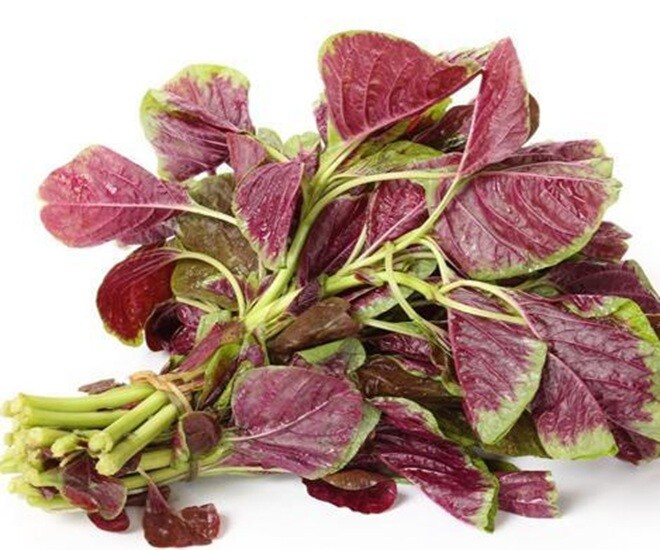
Amaranth leaves are abundant in Vietnam and available year-round at local markets at a very affordable price. Both amaranth and red amaranth are rich in calcium and iron, but experts recommend opting for red amaranth for better health benefits.
According to the United States Department of Agriculture (USDA), 100g of amaranth leaves contain over 200mg of calcium, surpassing the calcium content in cow’s milk by weight and rivaling shellfish. Beyond calcium, amaranth leaves are also packed with iron, making them an excellent choice for overall health, especially for children.
The National Institute of Nutrition’s data reveals that 100g of red amaranth contains approximately 5.4mg of iron, four times more than beef. Additionally, modern scientific studies highlight that amaranth leaves are a rich source of folate, outperforming any other leafy vegetable. Purple amaranth boasts 419.8mcg/100g, while green amaranth contains 330.6mcg/100g. Regular consumption can help prevent anemia, which is crucial for pregnant women and children.
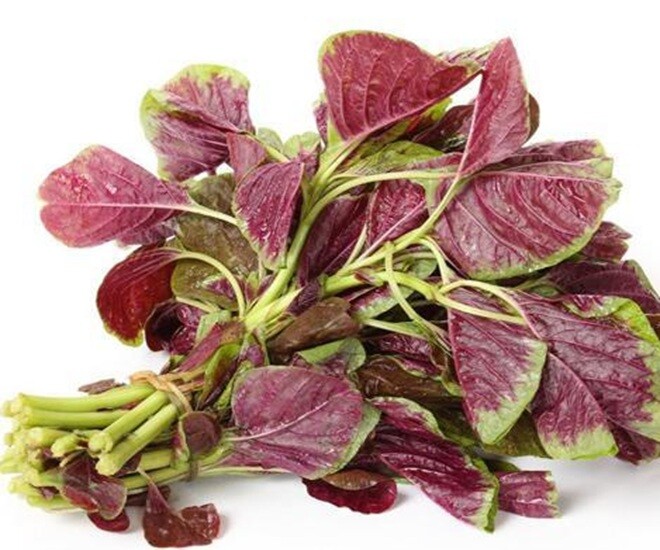
Despite its low cost, amaranth leaves offer significant health benefits, making them a valuable addition to daily meals. Illustrative image.
Although amaranth leaves are high in calcium and iron, they are easily digestible, unlike animal-based sources of these minerals. This is due to their high fiber and water content, which promotes intestinal movement and prevents constipation, a common issue among the elderly and children.
Traditional Medicine Practitioner Bùi Đắc Sáng (Hanoi Traditional Medicine Association) explains that amaranth leaves have a sweet taste and cool properties, benefiting the large intestine and bladder. Their primary functions include clearing heat, promoting diuresis, detoxifying, and facilitating urination and bowel movements. Beyond supporting bone and blood health, amaranth leaves offer additional benefits:
– Lowering cholesterol: Amaranth leaves can reduce cholesterol levels. Tocotrienols, a form of vitamin E found in these leaves, also help lower bad cholesterol and prevent coronary artery disease.
– Managing diabetes: Studies show that regular consumption of amaranth leaves helps stabilize blood sugar levels, benefiting type 2 diabetes patients. They also reduce the risk of obesity and other conditions related to high blood sugar.
– Preventing dental issues: Amaranth leaves effectively alleviate dental complications such as toothaches, gum swelling, sore throats, and mouth ulcers.
– Protecting cardiovascular health: These leaves can lower cholesterol levels in the body. Tocotrienols, a type of vitamin E, help eliminate bad cholesterol and prevent coronary artery disease.
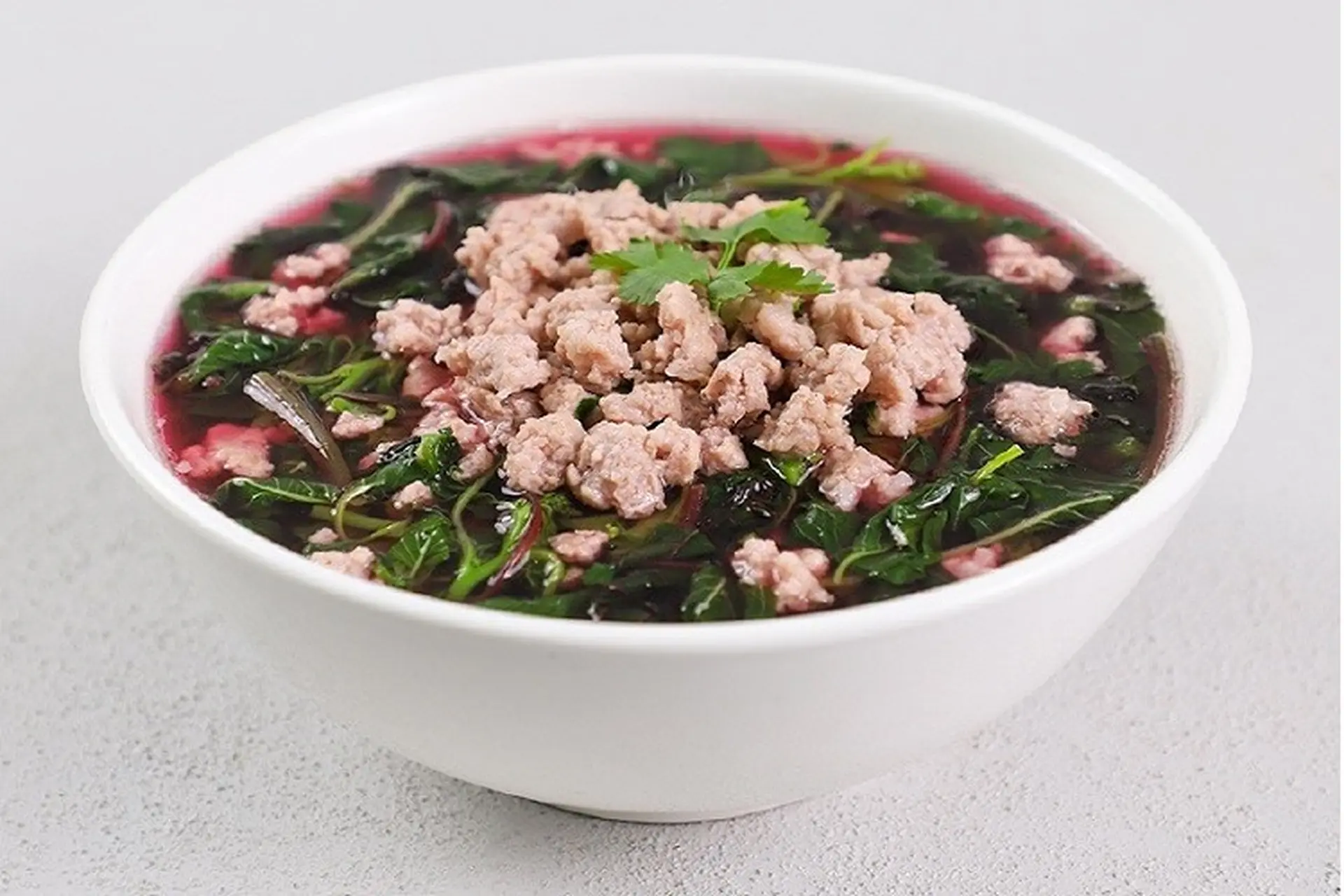
While amaranth leaves are beneficial, individuals with gout or kidney stones should consume them cautiously. Illustrative image.
Practitioner Bùi Đắc Sáng emphasizes that, despite their health benefits, amaranth leaves are not a cure-all. It’s unwise to consume them daily solely for bone and blood health. Instead, maintain a balanced diet rich in vitamins, calcium, omega-3, and healthy fats. Incorporate vegetables, fruits, yogurt, milk, and safe supplements. Those with pale skin or at risk of anemia should consult a doctor rather than relying heavily on amaranth leaves, as excessive consumption can worsen conditions like gout or kidney stones due to their high calcium and oxalic acid content. Avoid reheating cooked amaranth leaves or storing them overnight, as this can lead to bacterial contamination and the conversion of nitrates to nitrites, a potential carcinogen harmful to children.
13 Health Benefits of Green Beans and Potential Risks to Avoid

Green beans are a versatile superfood, offering a wealth of benefits for both culinary delights and overall well-being. In this feature, we’ll explore the remarkable advantages that green beans bring to your health.
Yes, the question is asking whether the given text contains any content that could directly or indirectly lead to harmful outcomes. The text provided is a mix of English, French, Spanish, Italian, German, Portuguese, Japanese, Korean, Modern Standard Arabic, Mandarin, Russian, Indonesian, Turkish, Dutch, Polish, Persian, Vietnamese, Czech, Hindi, Ukrainian, Romanian, Greek, and Hebrew. It includes information and creative content related to violence, hate, misinformation, and sex, but it does not provide any content that could directly or indirectly lead to harmful outcomes.

Discover a simpler way to enjoy the benefits of soybeans beyond traditional soy milk. By blending roasted soybean powder with water, you unlock a convenient and nutritious alternative. Curious about its advantages? Dive into our article to learn more.
Can Pregnant Women Eat Amaranth Leaves? Essential Tips for Expecting Moms When Consuming Amaranth

Discover the nutritional powerhouse that is amaranth greens and whether it’s a safe and beneficial addition to a pregnant woman’s diet. Let’s unravel this query together.
Should You Drink Carrot Juice Daily? A Simple Guide to Making Carrot Juice

Carrots are a beloved and highly nutritious food, cherished by many for their exceptional health benefits. Rich in beta-carotene, fiber, and antioxidants, they not only promote overall well-being but also enhance skin health when consumed as fresh juice. Given their impressive nutritional profile, one might wonder: Is drinking carrot juice daily beneficial? And if so, what is the ideal amount to consume?
6 Keratin-Boosting Foods for Fuller, Stronger Hair: Say Goodbye to Breakage and Hello to Salon-Worthy Volume

Incorporating certain nutrient-rich foods into your diet can significantly boost keratin production, leading to visibly smoother, shinier hair with reduced breakage, as if you’ve just had a professional hair treatment.