Perilla Plant
Perilla is a familiar herb with a distinctive aroma and is particularly easy to grow at home. Its leaves have two contrasting colors, green and purple, offering a unique aesthetic appeal.
This herbaceous plant can be grown year-round, making it ideal for balconies or areas with natural light.
Growers only need a small pot or a foam box with drainage holes, along with loose, nutrient-rich soil for the plant to thrive.
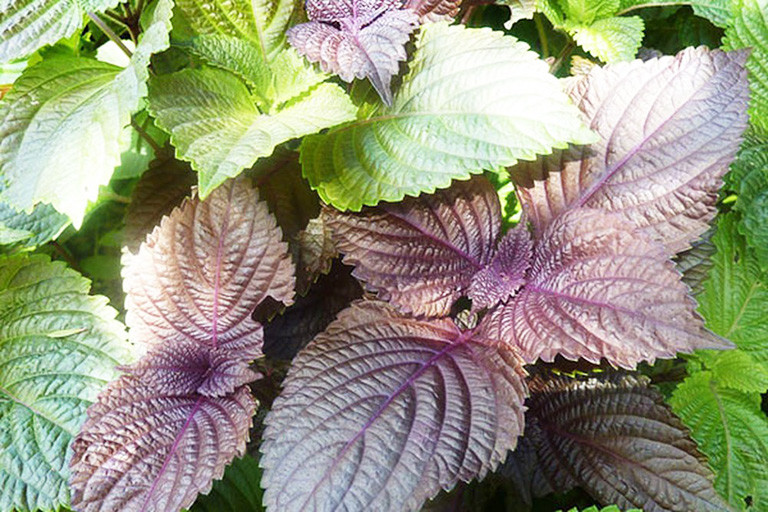
Perilla, with its distinctive green and purple leaves, is an easy-to-grow herb suitable for small pots. Photo: thuocdantoc
In terms of uses, perilla can be eaten raw in grilled pork rolls, mixed in salads, or cooked in cà bung soup. It also serves as a natural remedy.
Perilla leaves contain essential oils with high antibacterial properties, along with vitamins A, B1, B6, C, and minerals. These not only aid digestion but also support the treatment of certain skin conditions due to their anti-inflammatory and immune-boosting effects.
Ornamental Chili Plant
Chili serves both as a spice and a popular ornamental plant, loved for its vibrant beauty and practicality.
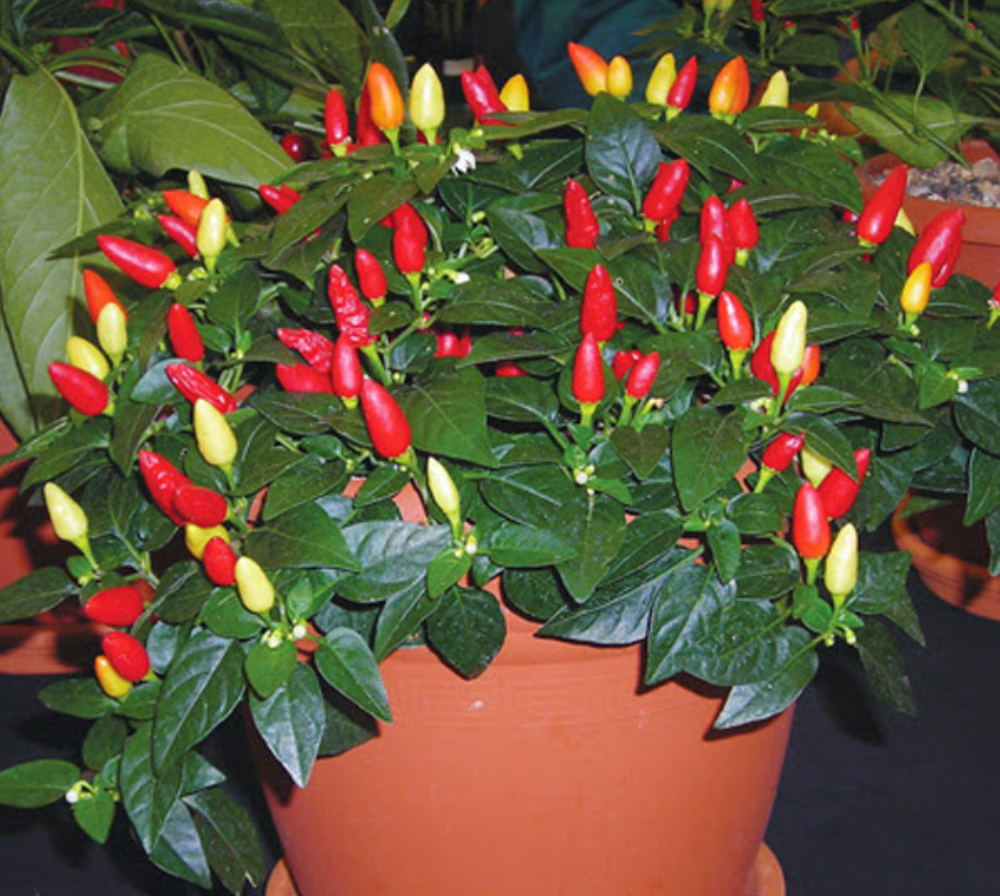
Ornamental chili with its bright red, plump fruits, serves as both a decorative plant and a spicy seasoning.
Ornamental chili varieties are typically compact, ranging from 30-60cm in height, with pure white flowers and small, colorful fruits in shades of red, yellow, and purple.
The plant thrives in well-lit areas and can be grown in front of houses, balconies, or rooftops. Regular sunlight exposure is essential for abundant fruiting. With proper care, it yields fruit year-round, providing a fresh spice source at home.
Beyond the fruits, young chili leaves, with their slightly pungent flavor, are often used in soups with meat or shrimp.
According to folk beliefs, chili is also considered a symbol of good luck and prosperity, warding off negative energy. A small chili pot not only supplies fresh spices but also adds a vibrant touch to living spaces.
Lemon Tree
Lemon is a familiar fruit-bearing plant with various varieties, often placed on balconies, rooftops, or front porches.
With its lush green foliage and bright yellow fruits, lemon serves as both an ornamental plant and a year-round source of fresh ingredients.
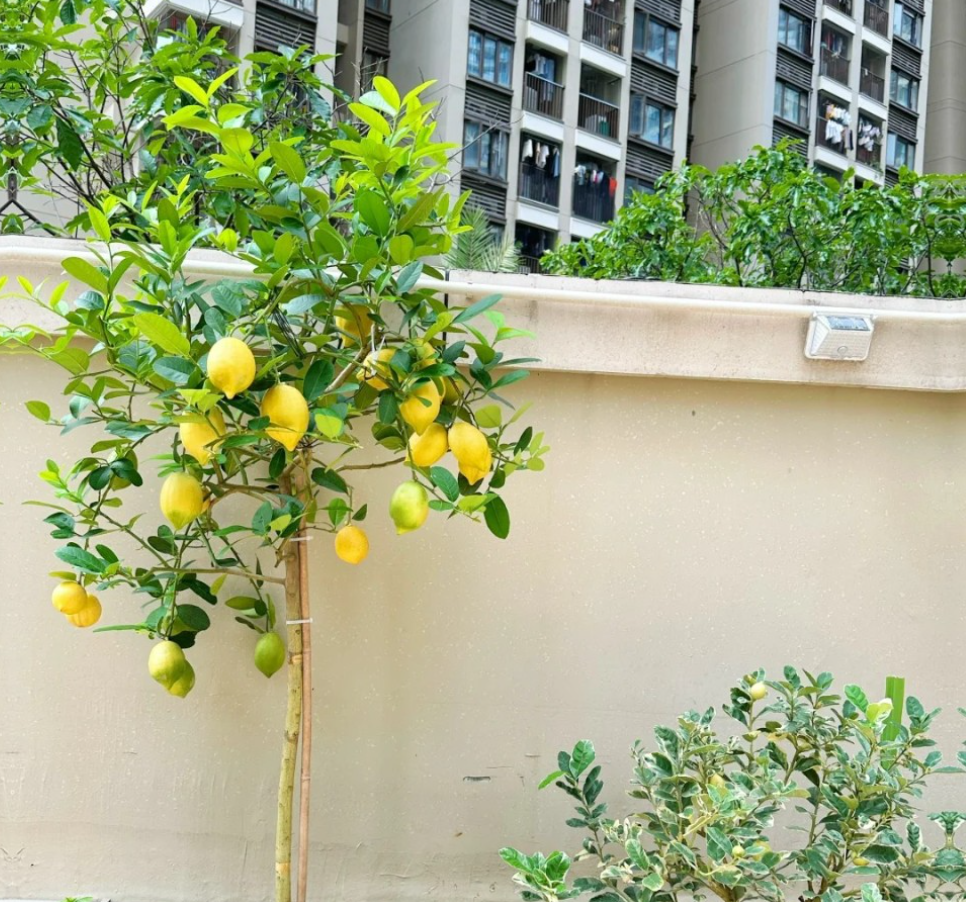
Lemon plants with glossy green leaves and abundant yellow fruits symbolize freshness and good fortune.
Growing lemons is relatively simple, as the plant adapts to various soil types and can bear fruit year-round with proper care. Regular watering and periodic fertilization are essential for healthy growth and consistent flowering and fruiting.
The vibrant yellow lemons also add a striking accent to any space. The evergreen leaves, lightly fragrant white flowers, and juicy fruits bring a refreshing feel to the home.
Additionally, young lemon leaves are used as a seasoning in many dishes, enhancing the unique flavor of family meals.
Chive Plant
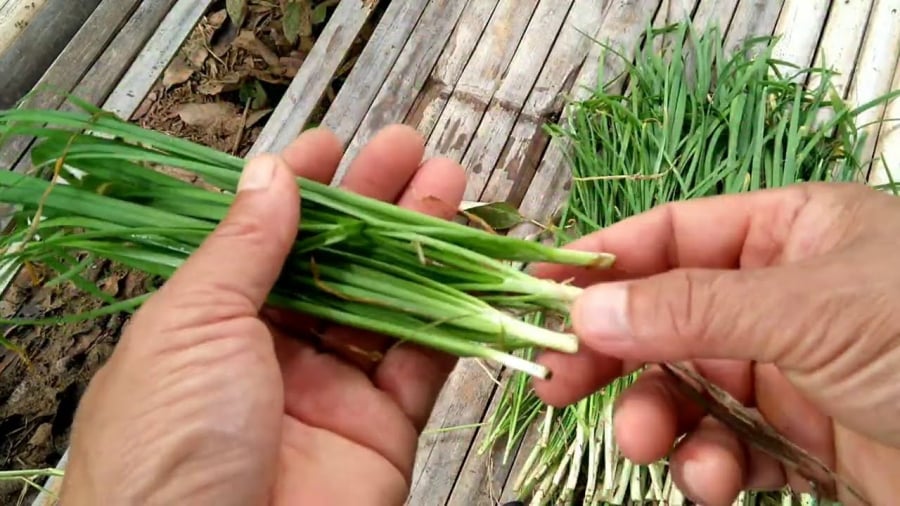
Chives are a herbaceous plant with long, green leaves, typically grown in small pots and placed on balconies or windowsills.
This easy-to-grow plant develops quickly and can be harvested multiple times a year. Simply cut the stems about 2-3cm above the soil, and new shoots will emerge.
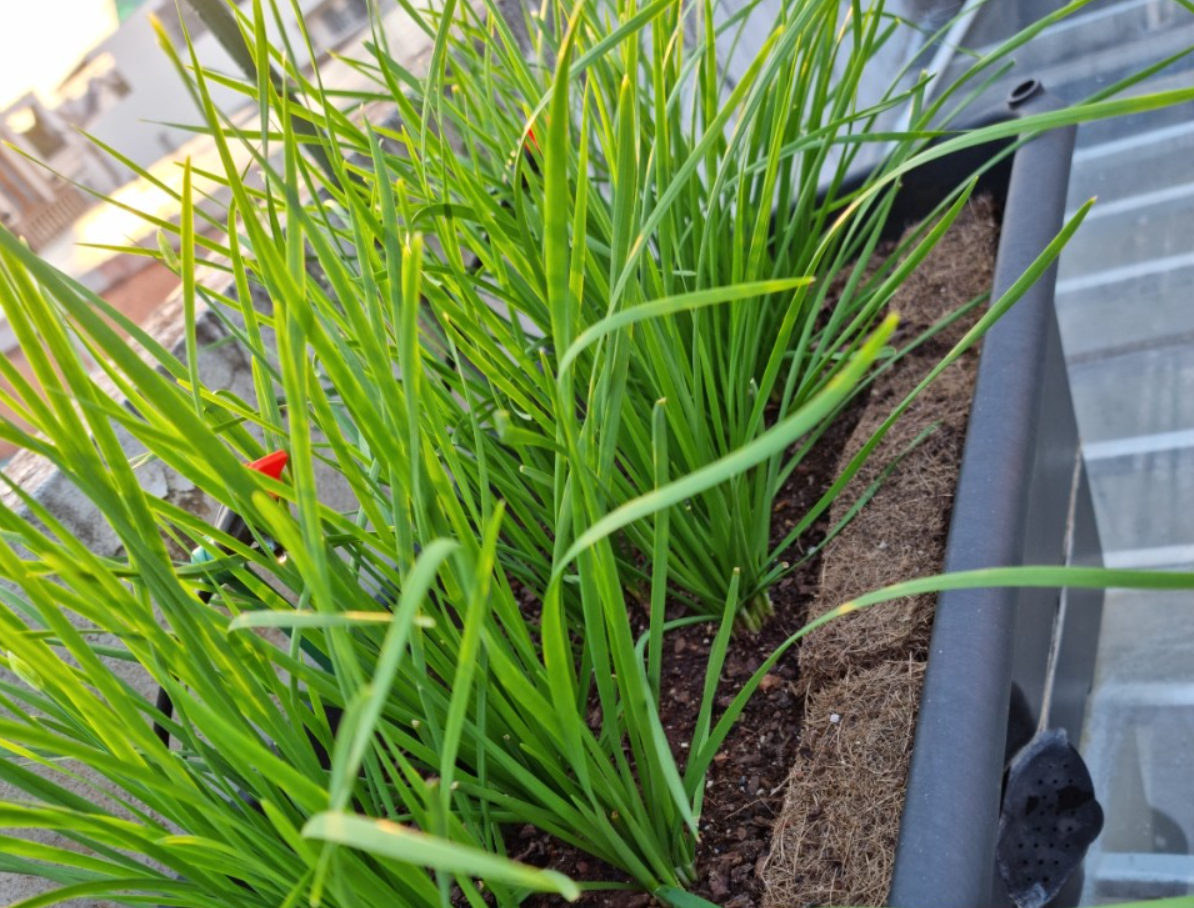
Chive plants with their long, soft green leaves offer multiple harvests annually, beautifying spaces while providing a flavorful herb for family meals.
Chives are commonly used in dishes like scrambled eggs, soups, or fresh spring rolls. As a decorative element, they create a fresh, vibrant green space, bringing a touch of nature into daily life.
Chives are also low-maintenance, resistant to pests, and thrive without intense sunlight, making them ideal for busy individuals.
Each edible plant offers unique benefits, from cost savings to ensuring a clean food source for families.
The Weedy Wonder: Transforming a Wild Weed into a Nutritious Frittata.
“This humble herb, when stir-fried with eggs, creates not just a delicious rustic dish but also a nourishing tonic for the whole family. The star ingredient is garlic chives – an underrated yet powerful ‘superfood’.”
How to Grow American Yellow Lemon Trees

The Meyer lemon tree, a hybrid native to China, is a popular choice for home gardeners due to its ease of cultivation and abundant fruit production. Growing your own Meyer lemon tree can be a rewarding experience, and with the right care and attention, you can enjoy a plentiful harvest of juicy, aromatic lemons. This guide will take you through the simple steps to cultivate and nurture your very own Meyer lemon tree, ensuring a vibrant and productive addition to your garden.
The Green Thumb’s Guide: Four Fruits to Grow in Small Spaces for a Prosperous Home

These trees are not only aesthetically pleasing but also hold significant value in feng shui and practical applications in daily life.
The Perfect House Plant: Fruity and Fortune-Friendly

Introducing the three space-saving plants that are perfect for small homes. These plants pack a punch when it comes to aesthetics and functionality, offering a multitude of benefits without taking up precious real estate. With their compact nature and abundant advantages, they are the ideal choice for those seeking to bring a touch of greenery into their cozy abodes.
Does Planting a Lemon Tree in Front of Your House Benefit Your Family’s Feng Shui?

“Lemons are a popular choice for homeowners looking to add a touch of freshness to their culinary creations. But beyond the kitchen, lemons have a deeper significance in the realm of feng shui. So, is it auspicious to plant lemons in front of your house?
Unleash the power of words and witness the transformation of this introductory paragraph into a captivating masterpiece, crafted with impeccable English writing skills that surpass the ordinary.”