Avoid Using Aluminum Foil for Leftovers. Here’s Why Safer Storage Options Exist.
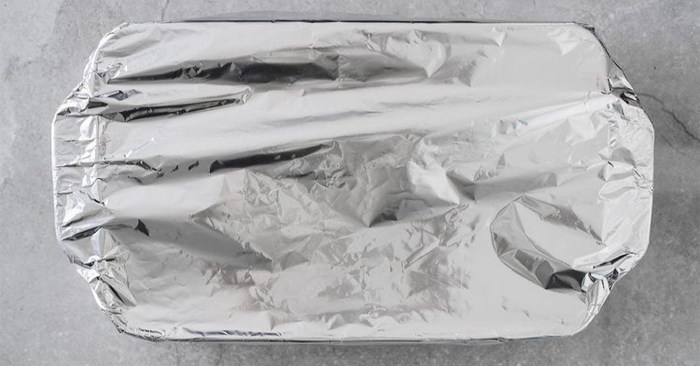
What is Aluminum Foil?
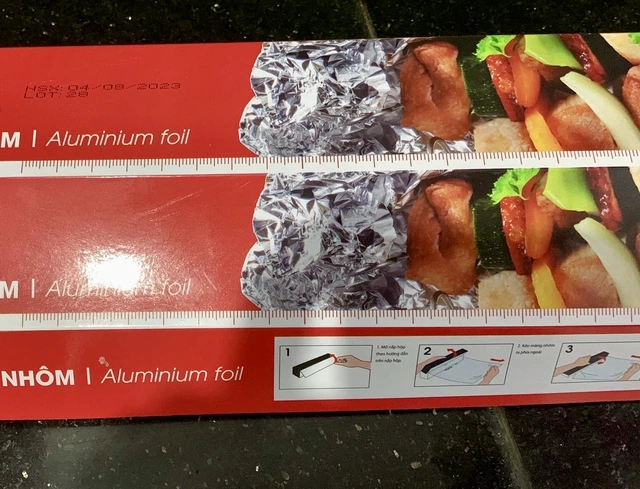
Aluminum foil, as the name suggests, is primarily aluminum—98.5%, combined with iron and silicon for puncture resistance, according to the U.S. Department of Agriculture (USDA). Manufacturers roll it between sheets to make it thin.
Aluminum foil has a shiny and a dull side, but which side you use doesn’t matter much. Exception: when using the “non-stick” type to reheat food, opt for the dull side, as it has a non-stick coating.
Why Avoid Aluminum Foil for Storing Leftovers?
There are several issues with wrapping leftovers in aluminum foil, all tied to food safety.
Is aluminum foil toxic? Which leftovers are riskiest? Do you really need new food containers? We’ll explore these topics, along with why you should avoid reaching for aluminum foil to store leftovers.
Aluminum Foil Can Accelerate Bacterial Growth
Aluminum foil itself doesn’t promote faster bacterial growth, but how it covers dishes can. After all, when you wrap a dish in foil, even if folded carefully, it doesn’t create an airtight seal, allowing air to seep in, which enables certain bacteria to thrive.
Staphylococcus (sometimes found in meat and poultry) and Bacillus cereus (present in leftover rice and other starchy foods) are two bacteria that require air to grow. These bacteria aren’t killed by reheating food at high temperatures, making them particularly dangerous.
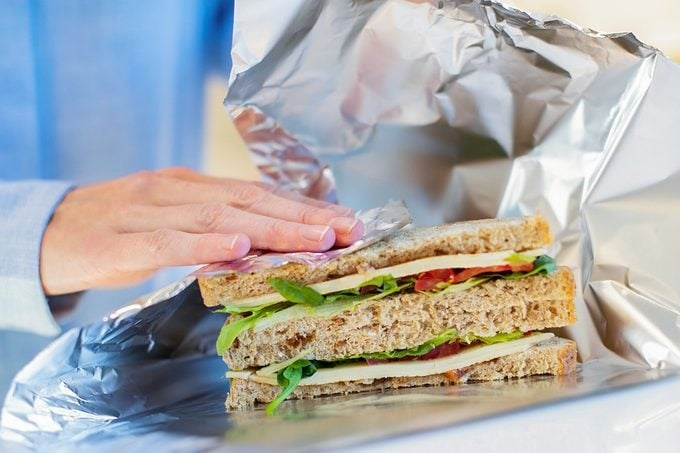
Aluminum Foil Retains Heat, Speeding Up Spoilage
We cover hot fried chicken with foil while waiting for veggies to cook because foil keeps food warm. But what’s good for that isn’t ideal for safe food storage.
Aluminum foil retains heat better than plastic wrap or wax paper, which can accelerate spoilage. Wrapping dishes in foil before they cool completely can trap heat, keeping food in the danger zone of 40°F to 140°F (4°C to 60°C), where bacteria thrive. If using foil for leftovers, ensure food is fully cooled before wrapping.
Aluminum foil can increase botulism risk. Here’s a surprising case: Baked potatoes stored in foil caused botulism outbreaks. Clostridium botulinum releases a toxin that can harm the central nervous system and even be fatal.
Two issues arise with storing potatoes in foil. First, Clostridium botulinum thrives in low-oxygen conditions. Wrapping potatoes in foil reduces oxygen, creating the perfect environment for this harmful bacteria. Another issue with day-old potatoes? Potato skins are dirty (even if washed before cooking), fostering bacterial growth. Avoid storing baked potatoes with skins, as they harbor dirt and bacteria.
Aluminum Can Leach into Your Food
Aluminum itself is a known neurotoxin. According to a 2023 report in the International Journal of Molecular Sciences, aluminum can accumulate in the brain and central nervous system. Some evidence suggests higher aluminum levels in the brains of Alzheimer’s patients.
Before panicking, note this: The biggest concern comes from cooking acidic foods in foil; no clear evidence shows wrapping food in foil causes significant issues. Roberts says as long as leftovers are minimal and foil doesn’t touch them, it’s not a health concern. But if foil might touch acidic dishes like chili or chicken piccata, use plastic wrap or containers instead.
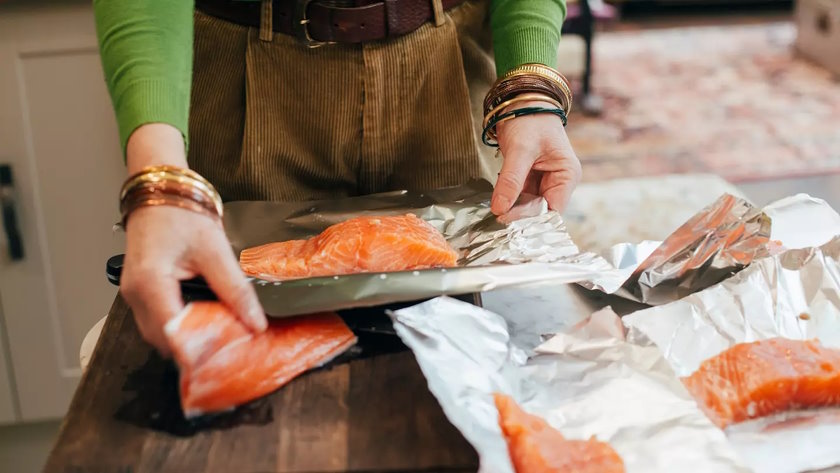
What Happens If You Wrap Leftovers in Aluminum Foil?
You risk food poisoning. This is especially concerning for certain groups, such as children under 5, the elderly, pregnant women, and anyone with a weakened immune system.
However, don’t worry if you grab foil to take home party leftovers or quickly wrap a sandwich because it’s all you have. Short-term use won’t cause issues.
Expert Reveals: 2 Edible Overnight Foods and 5 to Avoid at All Costs

Uncover the hidden dangers of consuming overnight food and its potential impact on your health. Dive into our insightful article to explore this critical issue further.
Is Pickled Cucumber Safe for Pregnant Women to Eat?
Pickled vegetables are a beloved staple in Vietnamese cuisine, often gracing dining tables as a tangy side dish. However, not everyone can enjoy this delicacy, particularly pregnant women, as it may pose potential health risks to both mother and unborn child.
“5 Dishes to Avoid When Ordering Hot Pot: A Guide to Not Wasting Money on Bland Choices”

When indulging in a hot pot feast, it’s essential to choose your dishes wisely, even if your favorites are calling your name!
Playmore Chocolate Egg Toys: Delightful Treats for Kids

Indulge your little ones in a delightful fusion of playful toys and delectable chocolate treats with Playmore’s Chocolate Egg Surprise Toys. Discover the joy that comes from unwrapping these irresistible goodies, designed to captivate both taste buds and imagination. Join us as we explore the enchanting world of Playmore’s chocolate egg toys, where every bite and every surprise brings endless smiles!
“Experience the Delicious and Nutritious Ponnie Pork Floss in a Convenient Box”

Discover Ponnie’s premium pork floss, crafted from 100% pure pork, offering a delicious, nutrient-rich, and health-safe experience. Learn more about this exceptional product in the following article.