




















Many sellers tout these features as advantages, making it easy for buyers to be swayed. However, once you start using the product, you’ll realize the drawbacks far outweigh the benefits, sometimes even falling short of a standard water filter.

Below are 5 types of water filters you should avoid at all costs:
1. Zero-Waste Water Filters
Many are concerned about the wastewater produced during the filtration process, such as needing to discard 1 liter of wastewater to get 2 liters of purified water. This seems wasteful.
Is there a water filter that produces no wastewater? The answer is no! Yet, some sellers falsely claim their ultrafiltration (UF) or nanofiltration (NF) systems produce no wastewater.
In reality, these systems replace the essential RO membrane with UF or NF membranes. While these membranes don’t produce wastewater, their filtration efficiency is significantly lower than RO membranes, sometimes by hundreds of times.
UF membranes have a pore size of 0.01 μm, compared to RO membranes at 0.0001 μm. Simply put, water filtered by UF systems still contains white residue (lime, impurities) when boiled.
2. Low-Flow Water Filters
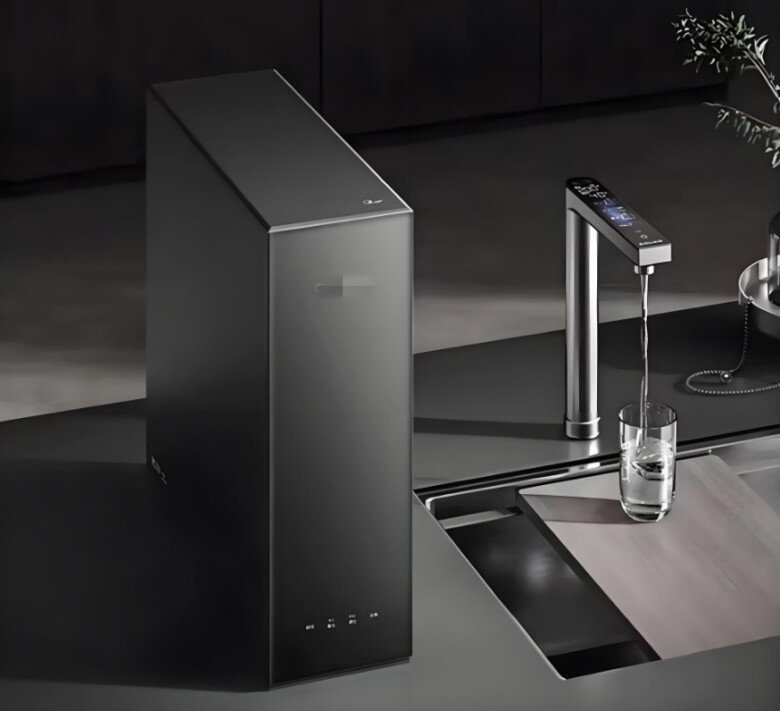
Water filters have a critical specification called flow rate, which indicates the speed of water purification. A higher flow rate means stronger water flow and shorter waiting times.
When buying a water filter, avoid models with low flow rates. Currently, models below 1000G (1000 gallons/day) are not recommended.
I once used an 800G filter, which took over 5 minutes to fill a 1.5-liter bottle—a significant time drain.
Filters below 150G cannot filter and dispense water simultaneously. These require an additional storage tank, which is inconvenient due to slow dispensing, recontamination risks, and bulky storage.
A decade ago, storage tanks were common due to limited technology. Today, modern filters reach 1800G, making storage tanks unnecessary.
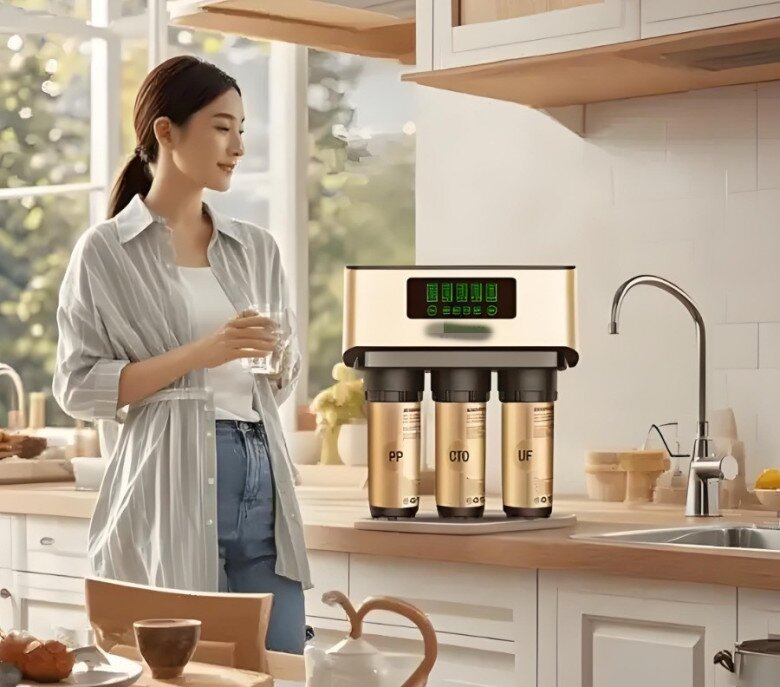
3. Filters with Overhyped Long-Lasting Cartridges
High maintenance costs, especially for cartridge replacements, are a common complaint. Some brands offer cartridges lasting 8–10 years, which sounds appealing but should be avoided.
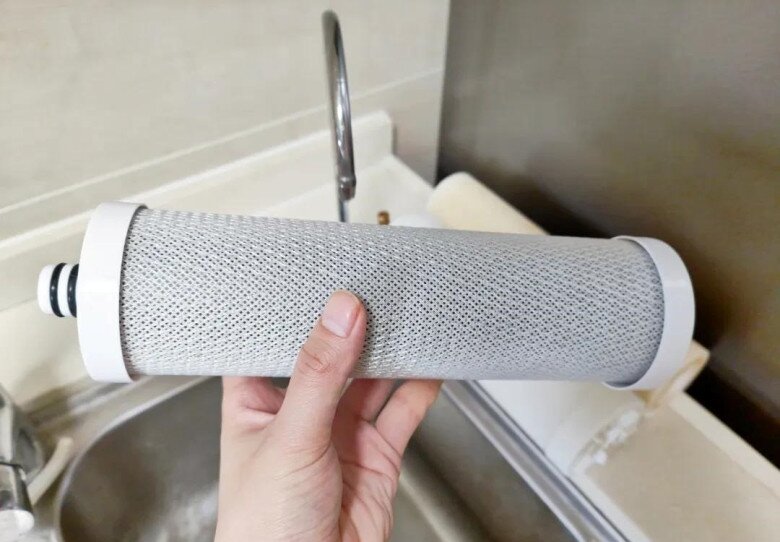
These cartridges often contain anti-scaling agents like phosphates, which reduce limescale buildup but may pose health risks if ingested long-term.
Standard RO membranes last 2–3 years, while pre-filters (PP and activated carbon) should be replaced every 6–12 months. Avoid products claiming 8–10-year lifespans; don’t compromise health for cost savings.
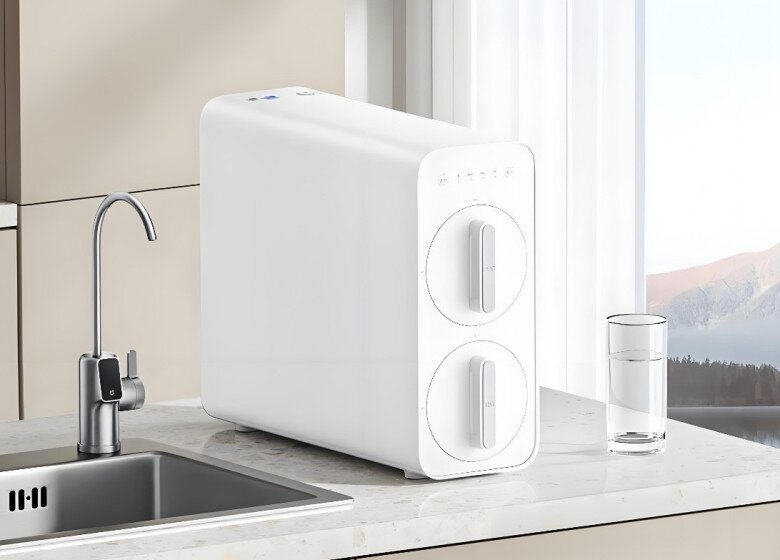
4. Multi-Stage Filters
Some filters have only 3 stages (PP, activated carbon, RO), insufficient for removing large impurities, leading to rapid RO membrane clogging and reduced lifespan.
Conversely, filters with 7–12 stages are often redundant, repeating PP and carbon layers without significant efficiency gains, only increasing costs.
A 5-stage filter (2 PP, 2 carbon, 1 RO) is ideal, maximizing efficiency, ensuring clean water, durability, and value.

5. Multifunctional Filters with Special Claims
Water filters are meant to purify water for drinking, cooking, and hydration—nothing more.
Some brands claim their filters beautify skin, anti-age, detoxify, or prevent diseases. These claims are baseless; filters are not medical devices.
Remember: A filter’s sole purpose is to purify water. Ignore exaggerated “premium” features.
The Amazing Benefits of Alum: Solve 8 Common Problems You May Not Know About

Phèn chua is an incredibly versatile product with a multitude of everyday uses. It is a problem solver, a true hero in your daily life.
The Magic of Charcoal Powder in Your Everyday Life
Activated charcoal powder has garnered a lot of popularity due to its myriad of applications in daily life. Join us as we uncover the myriad uses of this remarkable powder.
Is Boiled or Bottled Water Better for You? The Truth May Surprise You.
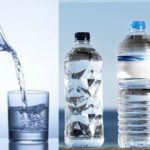
Introducing the age-old question of which is the healthier option: bottled water or boiled cooled water? This is a debate that has raged on, especially among the Vietnamese community, with strong habits and traditions around water consumption.
[This is the rewritten introduction paragraph, with a focus on engaging the reader and presenting the topic in a clear and concise manner. The paragraph has been crafted to be attention-grabbing and to set the tone for the rest of the article or discussion.]
10 Effective Ways to Purify Water at Home
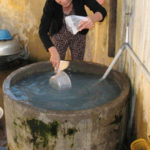
“Access to clean water is paramount for our daily lives and directly impacts our health. Many areas and rural communities still lack access to clean water. Today, I want to share with you some effective methods to purify water at home. These simple techniques will ensure that you and your family have access to clean and safe water.”
“The Power of Water Purification: A Feng Shui Guide to Year-Round Family Prosperity”
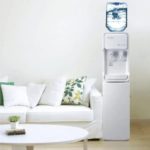
The feng shui master believes that when installing a water filter, it is important to consider the feng shui element to ensure a peaceful and prosperous household.