




















Have you developed the habit of saving electricity in your daily life? After using electrical devices, do you unplug them? Neglecting this small action can double your electricity bill.
Let’s explore 6 common household plugs that, if not unplugged in time, silently consume electricity and skyrocket your bill.
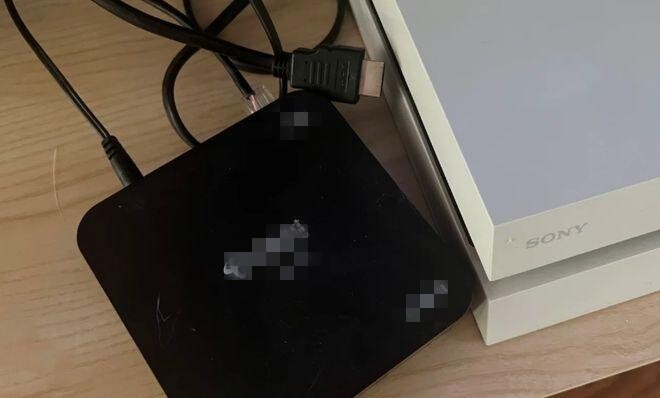
1. Set-Top Box
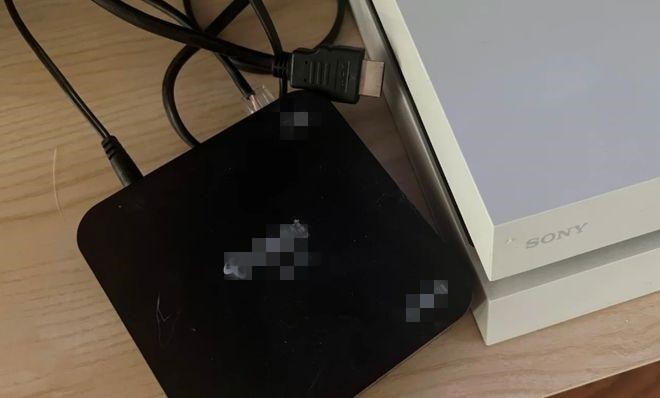
The set-top box might be a silent electricity thief in your home that you easily overlook. Many assume it’s too small to consume much power. However, even in standby mode, it continuously receives signals. Some households leave it on year-round, leading to significant energy waste.
Consider this: under normal conditions, a set-top box uses about 10W. Running all day, it consumes roughly 0.3 kWh. Annually, that’s nearly 100 kWh—a small device with a big impact on your bill.
Proper Usage:
Today, people use phones and computers more, watching TV less. When not in use, turn off both the TV and the set-top box. This extends device life and saves electricity—simple yet effective.
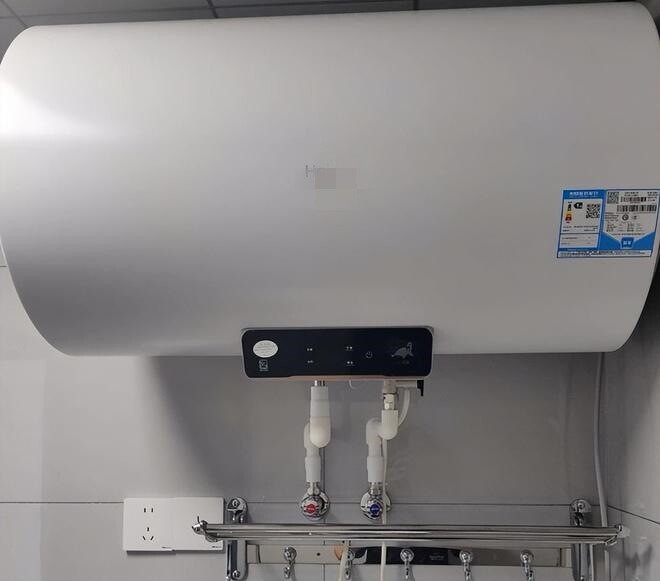
2. Storage Water Heater
Storage water heaters are common in many homes, providing quick hot water for daily use. But are you using it correctly? After use, many leave it plugged in, assuming it’ll switch to standby mode. In reality, it continues operating, consuming significant electricity over time.
Most people work during the day, using hot water only in the morning and evening. The heater keeps heating and maintaining temperature the rest of the time, wasting electricity. Storage heaters consume more than set-top boxes, using over 100 kWh annually.
Proper Usage:
Turn on the heater only when needed, like before showering. For long periods of non-use, unplug it or switch it off at the source. This saves electricity without disrupting daily routines.
3. Air Conditioner
Air conditioners are frequently used in summer but rarely in winter. Many turn them off via remote and leave them in standby mode for convenience. However, in standby, they still consume power, increasing over time. Multiple units can waste dozens of kWh if left in standby for long periods.
Proper Usage:
Turning off the AC via remote isn’t enough. Unplug it or use a dedicated switch to completely cut power, preventing silent energy waste.
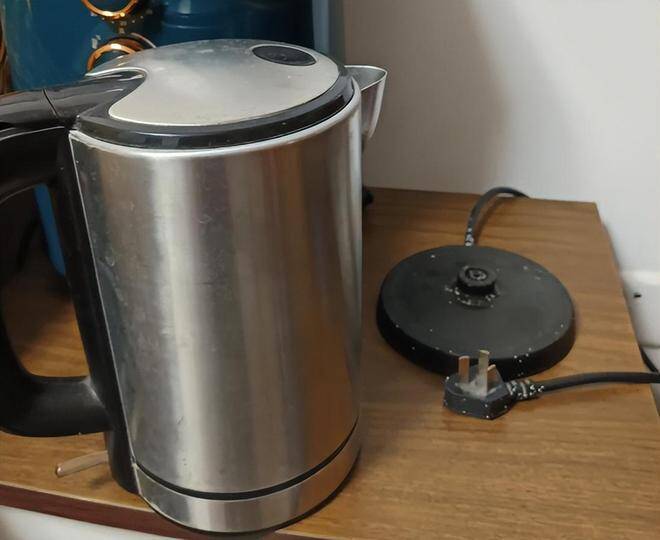
4. Small Kitchen Appliances
Kitchens are packed with appliances like ovens, microwaves, air fryers, kettles, and coffee makers. Many leave them plugged in for convenience, even when not in use. These devices, when plugged in, silently consume power. Over a year, this can add up to hundreds of kWh.
Proper Usage:
Use wall sockets with switches in the kitchen. When not in use, simply switch off instead of unplugging. For multiple devices, use a power strip for flexibility. Avoid buying redundant appliances to save both electricity and money.
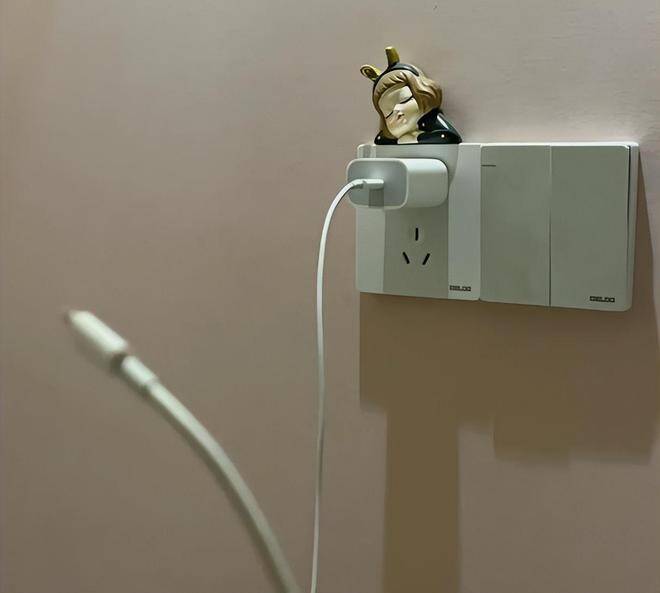
5. Chargers
With the rise of electronics, homes are filled with chargers for phones, tablets, and laptops. Many leave chargers plugged in for convenience, but they still draw power when idle. A few chargers might not seem significant, but collectively, they can increase your bill noticeably.
Beyond wasting electricity, leaving chargers plugged in poses safety risks. There are numerous reports of fires caused by unattended chargers. This is a risk not worth taking.
Proper Usage:
Unplug chargers when not in use. This simple habit saves electricity and reduces safety risks. Consider installing a master switch near the entrance to cut power to the entire house when leaving, ensuring both safety and savings.
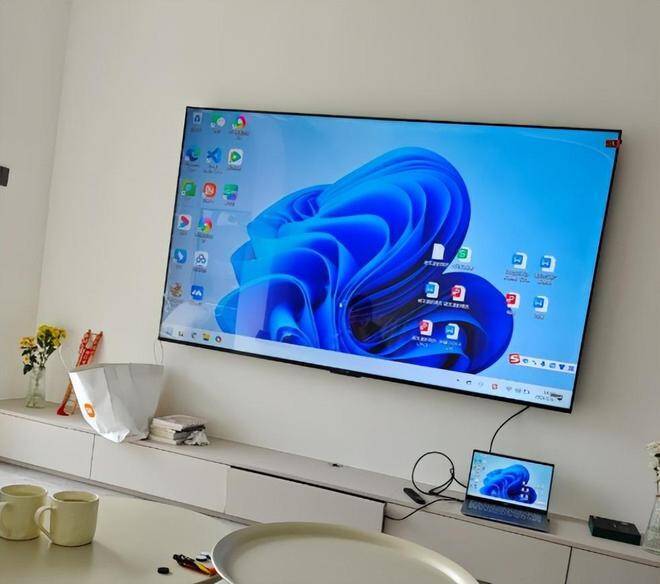
6. TV Peripheral Devices
Modern TVs connect to various devices like speakers, game consoles, and streaming boxes. When you turn off the TV, do you also turn off these peripherals? Leaving them on or in standby increases electricity consumption, adding up over time.
Studies show these devices, if left in standby, can consume over 150 kWh annually, significantly inflating your bill.
After watching TV, turn off all connected devices like speakers and game consoles. Unplugging them is the most effective way to save electricity. These small devices can double your bill, so make checking plugs a daily habit.
Common Mistakes to Avoid When Using Household Appliances

To ensure your household appliances last, it’s crucial to follow the manufacturer’s guidelines. However, not everyone adheres to these instructions. Here are the most common mistakes people make when using household appliances.
The Power-Hungry Appliances: Unplug These Devices to Save Big on Your Energy Bills

“These power-hungry appliances are stealthily draining your wallet. Leaving them plugged in could cost you a hefty $20/month. That’s a shocking $240 a year!”
“The Nighttime AC Button You Need to Know About: Stay Cool, Save Money”
“Choosing the right mode when turning on the air conditioner at night can make all the difference. Not only will it ensure a comfortable and restful sleep, but it will also help you save on your electricity bills. It’s a win-win situation!”
Why More Families Are Opting Out of Traditional ACs: Unveiling the Superior Alternative

Although this device carries a premium price tag, it boasts an impressive array of features.
“Heaven-Sent Relief: Lower Power Bills for My Home”

For generations, my family has embraced the practice of collecting and utilizing rainwater. In the past, drilling wells for groundwater was a challenging and costly endeavor, so rainwater remained the primary source for activities that did not require clean water. I often joke with my children, saying, “Every month, ‘Mother Nature’ gives us a discount on our electricity bill.”