
This belief has been passed down through generations, yet it inadvertently causes many families to miss the “golden window” for detecting and supporting children with language development delays. Early intervention for language difficulties often leads to better improvement. Conversely, delays can impact a child’s future communication, learning, and social integration.


Why Do Many Believe Late-Talking Children Are Smarter?
Many parents believe that late-talking children will be smarter later in life because they’ve heard stories about famous individuals who reportedly spoke late but achieved great success as adults.
However, these stories are exceptions and cannot represent all children. Scientifically, a few success stories are insufficient to prove that late talking indicates intelligence.
In reality, some children develop normal cognitive abilities, understand adults well, and interact positively but start speaking slightly later than their peers. This is called simple speech delay, a difference in development pace and occurs in a small percentage. To determine if a child falls into this category, evaluation by a doctor or specialist is necessary, rather than relying on anecdotal evidence.

Concerningly, many families equate late talking with intelligence or a quiet nature. This belief can make parents complacent, causing them to overlook signs that require early monitoring and support.
Language Ability: A Critical Developmental Milestone
Many believe children don’t speak because they’re “quietly observing” or “thinking deeply.” However, child development research shows that language is a crucial milestone reflecting brain development in early childhood.
Language is the foundation for developing thinking, memory, problem-solving, emotional control, and social relationships. As a child’s vocabulary and expression grow, cognitive and learning skills also improve.

4 Hidden Risks of Late Talking in Children: Early Detection is Key

Low Logical Thinking Ability, Leading to Severe Learning Endurance Deficits
In reality, children with language delays often have weaker logical thinking, understanding, and information synthesis skills.
Parents should observe their child’s development and seek evaluation if language skills don’t meet milestones. Early detection and support will help improve communication, learning, and social integration.
Lack of Social Skills, Leading to Insecurity and Sensitivity
After age 3, a child’s social needs grow rapidly, and language becomes the primary tool for making friends, interacting, and fitting in.
Late-talking children with poor expression or unclear speech often face issues in preschool: fear of speaking, difficulty communicating, inability to fit in, and being ostracized by peers.
Over time, children may develop insecurity, shyness, introversion, and vulnerability, becoming increasingly silent, withdrawn, and lacking confidence. These personality flaws can persist for years.
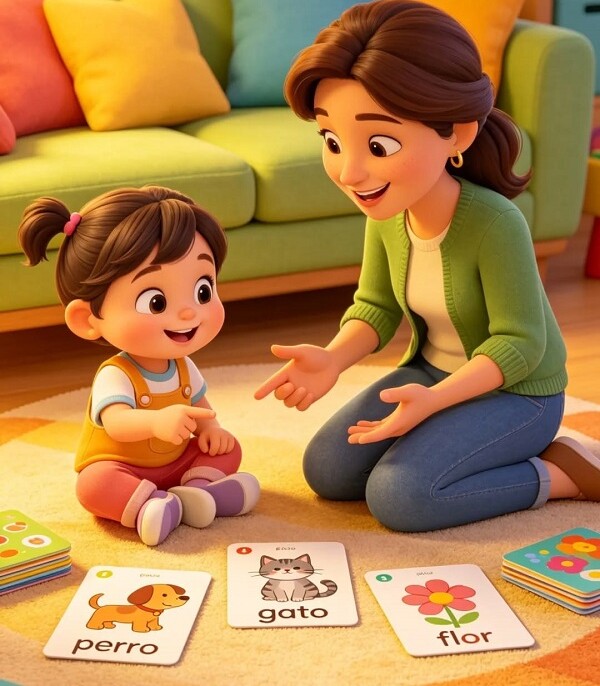
Sensory Integration Imbalance May Lead to Hyperactivity, Lack of Focus, and Poor Mood
Most children with language delays also have varying degrees of sensory integration disorders.
Vestibular underdevelopment leads to poor focus, inattention in class, restlessness, and low academic performance. Sensory sensitivity causes emotional instability, crying, irritability, and poor resilience in children.
Language issues are just the tip of the iceberg; underlying neurological and sensory development deficiencies can affect a child’s learning and personality development in all aspects.
Missing the Golden Period Cannot Be Compensated for a Lifetime
The critical period for language development is from 0 to 6 years.
The brain is highly adaptable during this stage, and with the right methods and scientific guidance, most children can quickly catch up with peers.
After age 6, language logic, thinking patterns, and personality traits are largely set, making correction extremely difficult. Many children enter elementary school and adolescence with language, social, and learning deficiencies.
To date, no scientific evidence confirms that late-talking children are smarter. Conversely, late talking may signal language development issues or other developmental concerns requiring monitoring and evaluation. Instead of waiting with the hope that “they’ll grow out of it,” parents should observe developmental milestones and seek assessment for any abnormalities.


7-Month-Old Baby Always Clenching Fists: Grandma Says It’s Normal, But Doctor Warns It’s Too Late

Discover the three telltale signs that pediatricians highlight as key indicators of potential brain development issues in children.
“7 Habits to Instill in Your Child for a Successful Future”

Cultivating good study habits requires patience and perseverance from both parents and children. Now, let’s delve into the 7 essential study habits that every child should develop.