





















Initially, I used an induction cooktop for my cooking needs. However, around May last year, it started malfunctioning frequently. That’s when I switched to a ceramic glass cooktop, a type of electric stove that’s currently gaining immense popularity. After a year of use, I’d like to share my personal experience.
How Does a Ceramic Glass Cooktop Work?
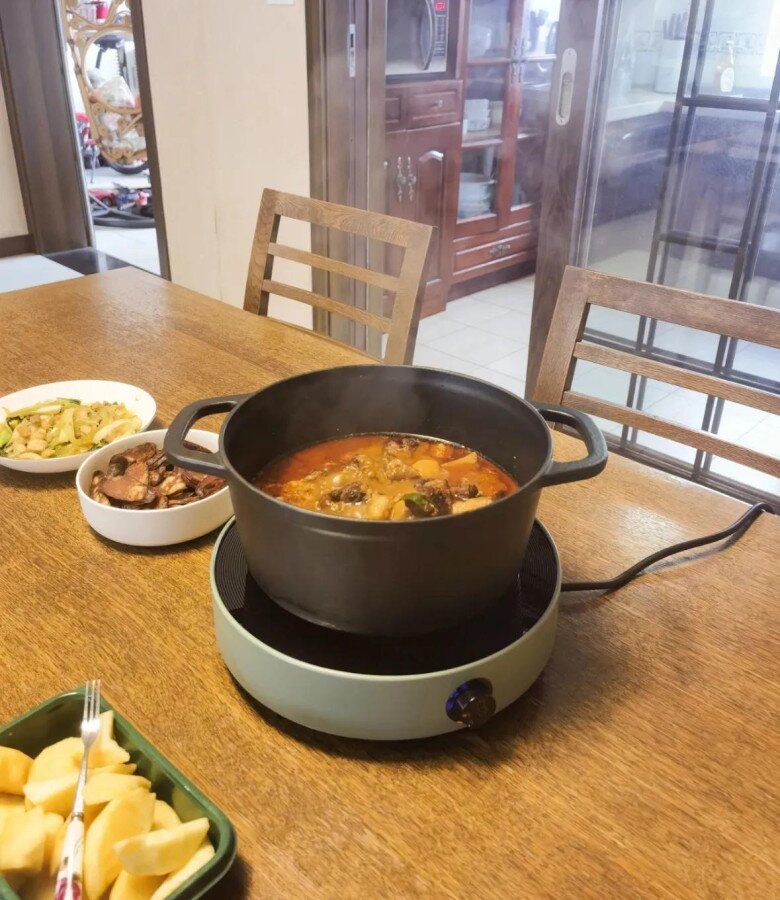
A ceramic glass cooktop utilizes infrared radiation technology, making it a type of electric stove. It operates through a nickel-chromium alloy resistance wire in the heating plate, converting electrical energy into heat via the Joule heating effect.
When the cooktop heats up, the resistance wire must first reach the desired temperature, then the heat transfers from the glass surface to the cookware, and finally to the food. Simply put, the cooktop heats the glass surface first, which then transfers heat to the cookware and the food.
What Are the Advantages of a Ceramic Glass Cooktop?
1. Compatible with All Cookware
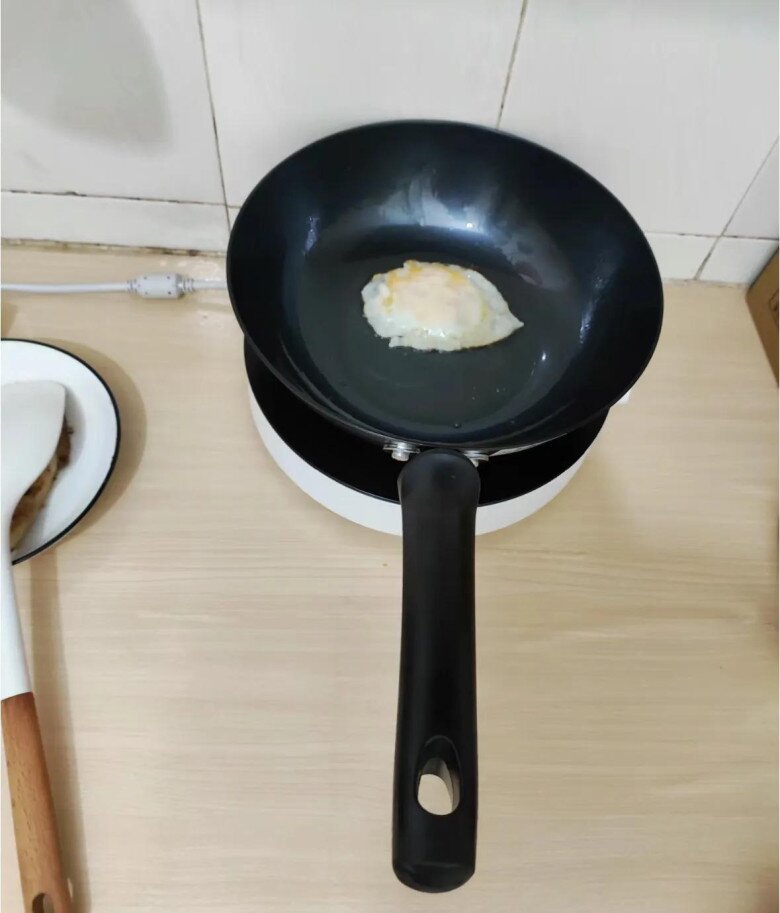
The most significant advantage of a ceramic glass cooktop is its compatibility with all types of heat-resistant cookware. This allows you to maximize the use of your existing pots and pans.
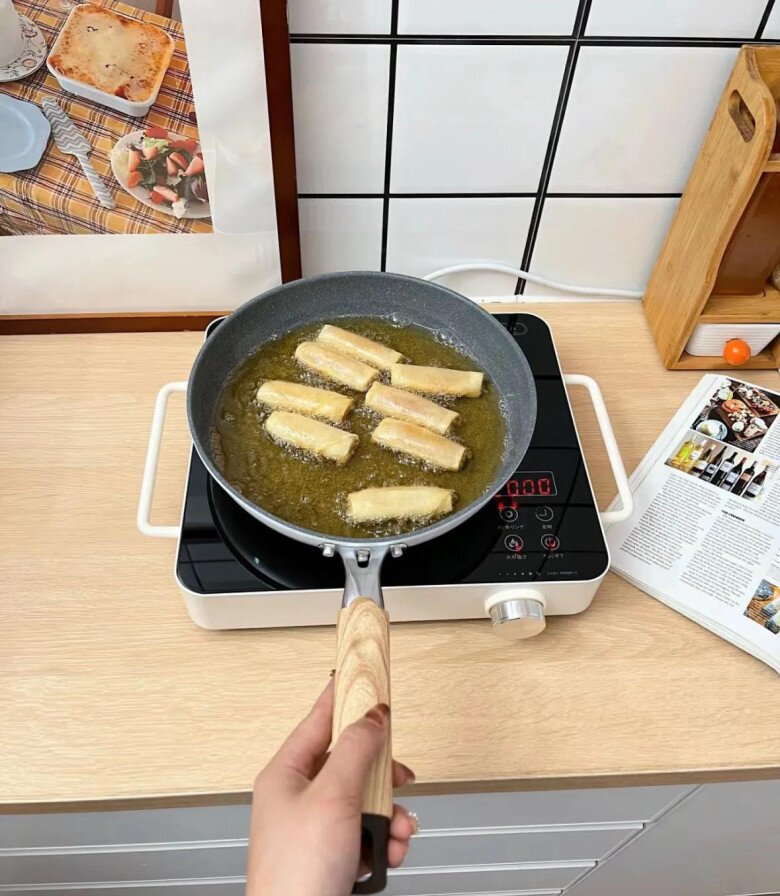
Whether it’s iron, aluminum, copper, or glass cookware, you can place it directly on the cooktop without any issues. I’ve tested everything from milk pots and enameled pots to clay pots, glass cookware, baking trays, and grill racks. As long as they’re heat-resistant and have a flat bottom, they work perfectly.
Additionally, ceramic glass cooktops offer multiple heat settings, allowing for precise temperature control. This feature is particularly useful if you frequently stir-fry or sauté.
2. No High-Frequency Radiation
Induction cooktops emit a certain level of radiation, which, although minimal, can be a concern. If your household includes pregnant women, a ceramic glass cooktop is undoubtedly a safer choice.
Ceramic glass cooktops generate heat through resistance wires, without an open flame. While they produce thermal radiation, they do not emit magnetic radiation, similar to traditional charcoal fires. This radiation is non-ionizing and completely harmless to the body, so you can use it with peace of mind.
3. Even Heat Distribution, Less Food Sticking
Compared to induction cooktops, ceramic glass cooktops have slightly lower efficiency but distribute heat more evenly. Many modern ceramic glass cooktops also feature timers, which are incredibly convenient for simmering soups or stewing meats. During cooking, the cooktop maintains consistent heat without interruptions, and even after turning it off, residual heat can be used for further cooking. This results in better temperature control and less food sticking to the cookware.
Disadvantages of Using a Ceramic Glass Cooktop
The only drawback of a ceramic glass cooktop is its slower heating speed. For those who are impatient or accustomed to induction or gas cooktops, the initial adjustment period can be slightly frustrating. However, modern 3500W ceramic glass cooktops have significantly improved heating speeds.
On the bright side, the residual heat dissipates slowly, allowing you to turn off the cooktop early and still use the remaining heat to simmer or stew your dishes.
Common Mistakes to Avoid When Using an Electric Stove

Electric stoves have become a staple in most Vietnamese households, offering convenience and safety. However, improper use can lead to quick deterioration. Here are some common mistakes to avoid when using your electric stove.
Why Are So Many People Abandoning Induction Cooktops? Ignore These 5 Critical Issues, and No One Will Want Them—Even if They’re Free!
Anyone who has cooked on an induction hob will likely share the common concern that it’s all too easy to burn your food.
Should You Turn Off the Power to Your Induction Cooktop After Cooking?

Introducing GDXH – a comprehensive guide to unraveling the myths and facts about turning off your induction cooktop immediately after use. Many individuals believe that turning off the power supply to their induction cooktop right after cooking is a prudent move to save energy and enhance safety. However, this practice may inadvertently cause more harm than good to your precious appliance. Stay tuned as we explore the intriguing world of induction cooktops and unveil the secrets to optimizing their performance and longevity.
The Soaring Electricity Bill: Uncover the Secrets to Using These 6 Devices Efficiently

With these simple tips, you can significantly reduce your monthly electricity bills. Everyone should take note and implement these easy steps to save money and energy.
Should You Use an Induction Cooktop or Infrared Cooktop to Cook Faster and Save Energy?

Induction and infrared cooktops are modern alternatives to gas stoves, and they are a popular choice for many households. However, a common dilemma faced by families is deciding which type of cooktop is more energy-efficient and cost-effective for daily use.