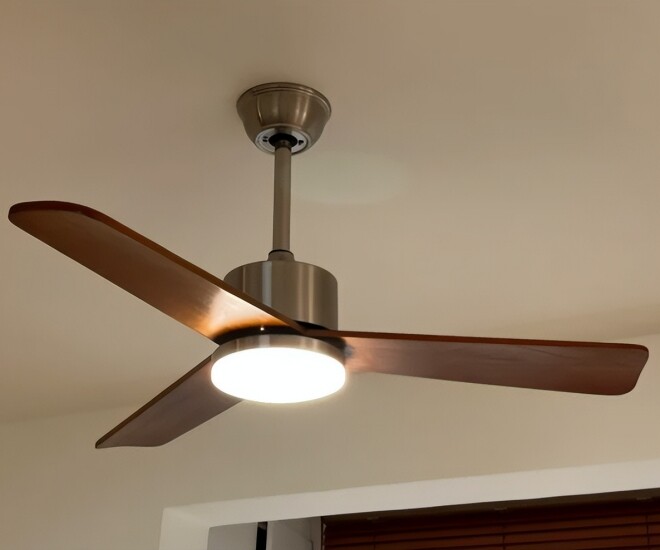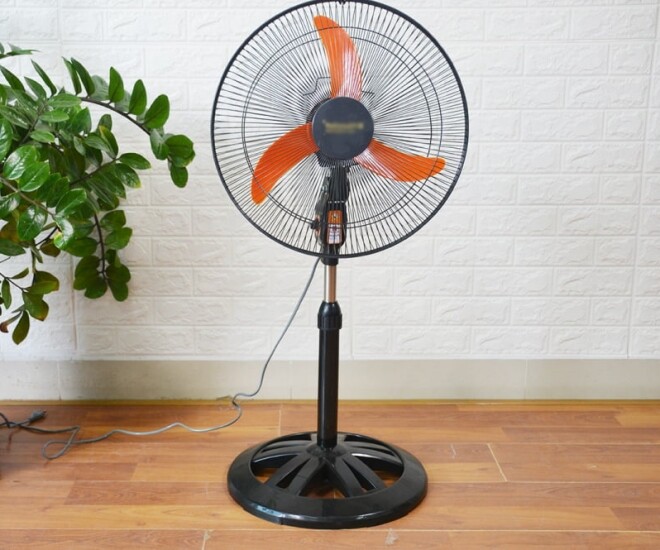
Why Are Traditional Electric Fans Losing Popularity?
– Traditional Fans No Longer Suffice in Extreme Weather
In recent years, summer temperatures have soared, often exceeding 40°C. During prolonged heatwaves, traditional electric fans merely circulate air without effectively cooling the room. In fact, when the air is excessively hot, the fan’s breeze can make users feel even more uncomfortable.
As a result, many households are turning to devices that offer more efficient cooling and air circulation.
– Dust Accumulation and Tedious Cleaning
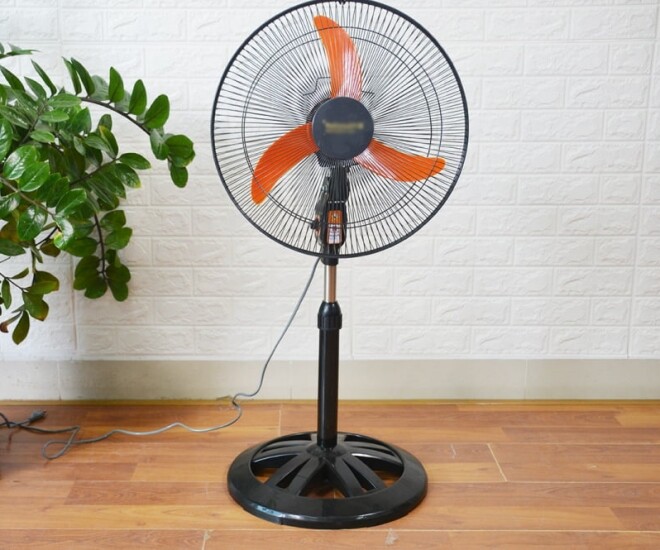
Another drawback of traditional electric fans is their tendency to accumulate dust and grime over time. Dust often clings to the fan blades, grille, and motor, especially during extended summer use.
Without regular cleaning, the fan’s cooling efficiency diminishes, and it may even spread dust into the air. Cleaning the fan, however, is time-consuming and inconvenient, particularly for busy households, as it involves disassembling the grille and wiping each blade.
– Shifting Trends Toward Modern Devices
Today, consumers prioritize not only cooling performance but also user experience, quiet operation, convenience, and aesthetics.
Many traditional fans fall short in these areas, producing strong, direct airflow that can cause skin dryness, headaches, or discomfort, especially during prolonged use or at night. Over time, they may also emit humming noises, vibrations, or creaking sounds, disrupting sleep and home tranquility.
Additionally, their bulky designs, limited updates, tangled cords, and lack of modern features like remote controls, smart timers, or natural wind modes make them less suited to contemporary lifestyles. Consequently, many families are opting for newer cooling devices that offer sleeker designs, quieter operation, and a more pleasant user experience.
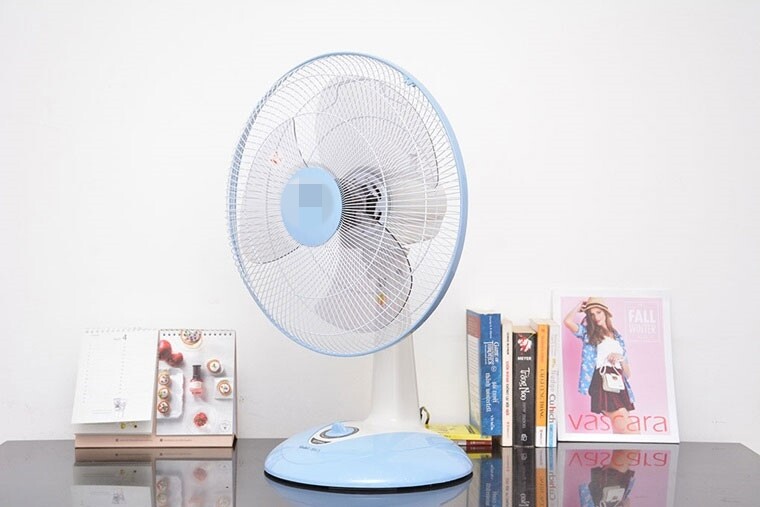
3 Popular Fan Types Today
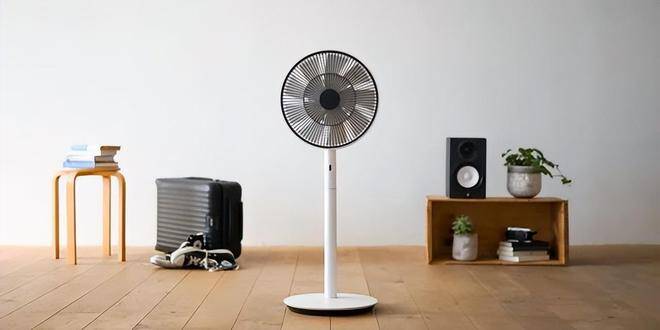
– Natural Wind Fans (Green Fans)
These fans use traditional axial technology but feature a unique 5+9 dual-blade design, creating a speed differential in the airflow. The inner 5 blades have a larger angle, employing a vortex air circulation principle, while the outer 9 blades use a traditional axial design to smooth the airflow. This results in a gentler, more natural breeze compared to standard fans.
However, their high price tag, often exceeding that of an air conditioner, is a significant drawback.
– Bladeless Fans
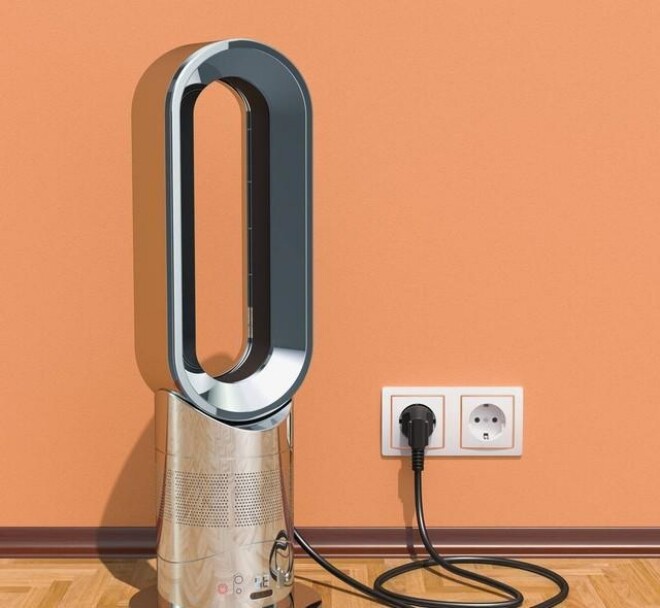
Inspired by high-speed hand dryers, bladeless fans eliminate the need for traditional blades, ensuring uninterrupted airflow and a smoother, more natural breeze. Their design is also safer, particularly for households with children.
These fans utilize jet engine principles and turbocharger technology, similar to those in cars. High-speed air is expelled after compression, creating a low-pressure zone that draws in surrounding air, generating a continuous airflow.
Despite their advantages, bladeless fans are expensive, relatively noisy, and typically produce less airflow than traditional fans.
– Air Circulation Fans
Inspired by aircraft engines, these fans use axial flow technology with large front grilles. Unlike traditional fans that blow air directly, air circulation fans accelerate and direct airflow up to 10-20 meters. Combined with multi-directional oscillation, they create continuous room air circulation.
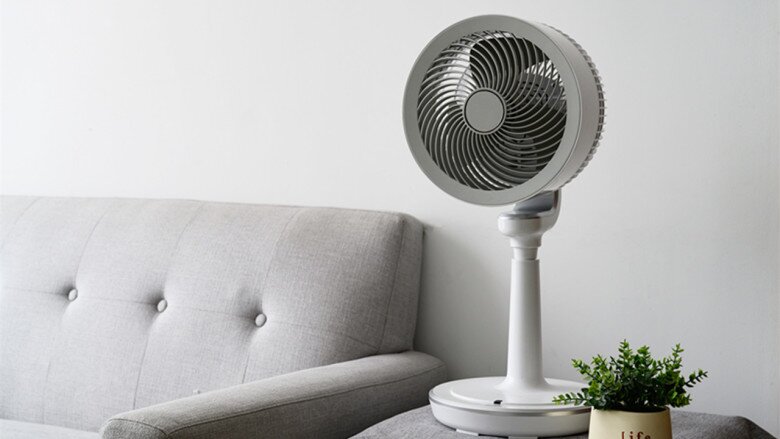
These fans can be used independently or paired with air conditioners for faster, energy-efficient cooling. They also improve air quality in humid or stuffy environments.
While more versatile than traditional fans, many products labeled as “air circulation fans” offer little real improvement. Consumers should carefully distinguish between genuine and marketed products.
Why Are More People Abandoning Ceiling Fans? Discover the 3 Preferred Alternatives Gaining Popularity
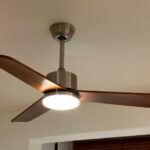
The gradual replacement of ceiling fans is not merely a shift in lifestyle preferences but also a reflection of the increasing technological integration in modern living spaces.
Why More People Are Ditching Wallpaper: 5 Practical Reasons

These shortcomings leave homeowners dissatisfied.
The Ultimate Guide to Cleaning Your Fan in a Flash: A Sparkling Clean in 60 Seconds!
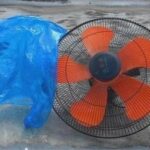
“After extended use, your ceiling fan accumulates a significant amount of dust and disease-causing bacteria. Cleaning and dismantling the fan can be a time-consuming and laborious task. This article will reveal a clever trick to clean fan blades without the hassle of disassembly.”
Why Are More People Opting Out of Ceiling-Height Wardrobes? Embrace This Design and Stay Timeless Even After a Decade.

A poorly designed wardrobe is a recipe for disaster. It will not only be inconvenient to use but also a waste of space, leaving you struggling to find room for your clothes.
The Ultimate Guide to a Dust-Free Home: A Month of Cleanliness Without the Chore

Although your home may be regularly cleaned, it can still get dirty very quickly, mostly due to dust buildup. This can be frustrating, and you may be wondering if there is a way to keep the dust at bay.