1 What is the Humid Season? When Does It Occur and How Can You Identify It?
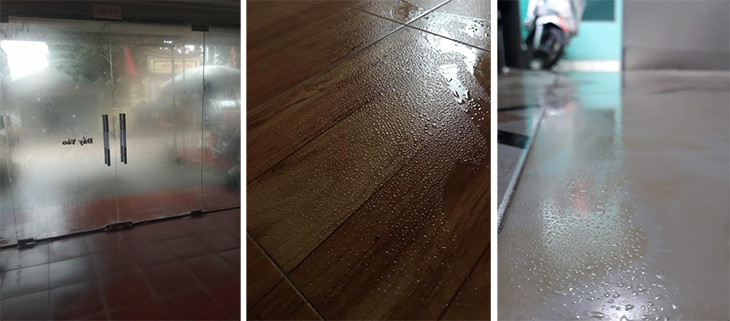
The humid season, or dampness phenomenon, is a characteristic weather pattern in Northern Vietnam, particularly prevalent in the Northeast region. This occurs when air humidity rises significantly, often exceeding 90%, causing water vapor in the air to condense into tiny droplets. When this moisture encounters surfaces cooler than the environment, such as floors, walls, mirrors, or electronics, it condenses, creating a sensation of the house “sweating” and an uncomfortable dampness.
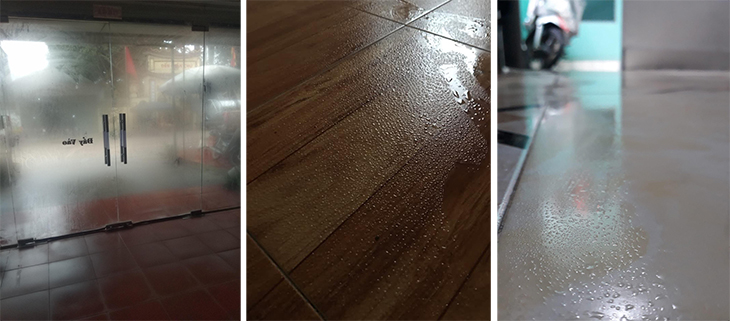
The humid season occurs when humidity exceeds 90%, causing water droplets to form on floors and walls, leading to discomfort.
This season typically appears in late spring, from February to April. Each humid period can last from a few days to a week and often recurs multiple times due to the continuous shift between cold air from the Northeast monsoon and moist air from the sea blowing inland.
Signs of the humid season are unmistakable: floors, walls, and glass surfaces remain perpetually damp and slippery; clothes take days to dry and may develop unpleasant odors; bedding feels damp and uncomfortable. Additionally, electronics are prone to moisture damage, and food quickly molds and spoils.
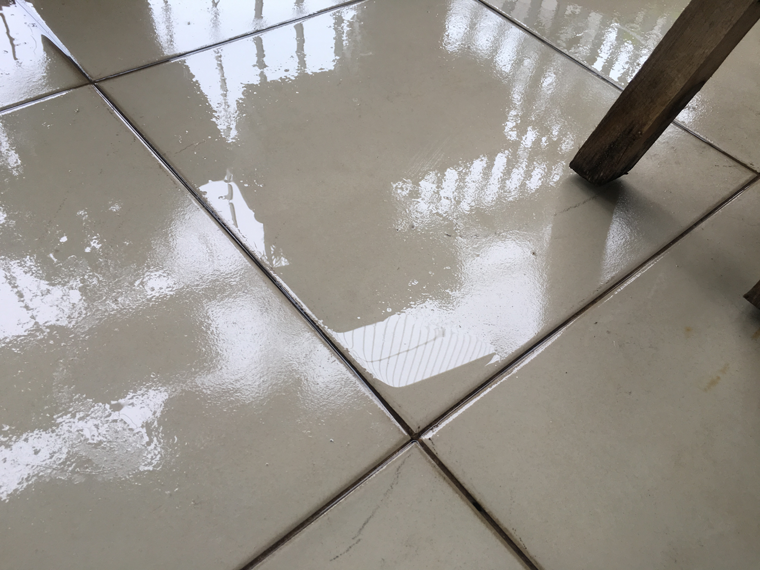
The humid season, typically from February to April, causes homes to feel damp, clothes to dry slowly, and odors to linger.
2 Causes of the Humid Season
The humid season primarily results from the temperature difference between the environment and indoor surfaces. After prolonged cold and dry weather, floors and walls remain cool. When warm, moist air from the sea moves in, the water vapor condenses rapidly upon contact with these cooler surfaces, forming water droplets.
Additionally, the southeast wind carries significant moisture from the sea, causing a sudden spike in air humidity. The clash between warm, moist air and cold, dry air is the key factor driving the intensity and duration of the humid season.
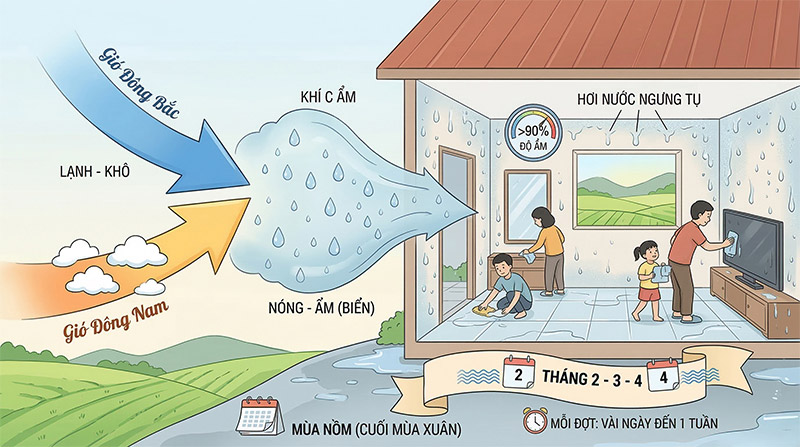
The humid season causes water vapor to condense, leaving floors and walls perpetually damp.
3 Impact of Humid Weather on Daily Life
Health Effects
High humidity creates an ideal environment for bacteria, mold, and microorganisms to thrive, increasing the risk of respiratory illnesses like bronchitis, asthma, and pneumonia. Skin irritation, rashes, and other dermatological issues are also common. Damp floors pose a slipping hazard, particularly dangerous for the elderly and young children.
Impact on Electronics
Moisture can infiltrate the internal circuitry of devices like TVs, computers, and refrigerators, causing short circuits, reducing component lifespan, and even leading to fires. Metal parts are also susceptible to rust when exposed to prolonged dampness.
Impact on Interiors and Daily Life
Furniture, especially particleboard and leather, is highly prone to mold, warping, or peeling. Clothes and shoes develop persistent odors, causing discomfort. Additionally, damp conditions foster insect and mosquito breeding, affecting overall quality of life.
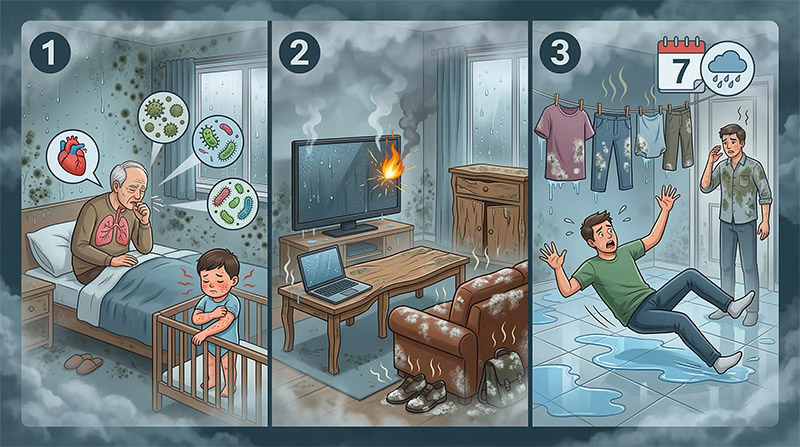
High humidity is the primary cause of mold and damage to household items and walls.
4 Effective Ways to Combat Indoor Humidity
Here are simple yet highly effective methods to minimize humidity, keeping your space dry and clean:
- Keep doors closed to limit outdoor moisture from entering, especially during humid weather.
- Wipe floors with dry cloths or highly absorbent mops, avoiding wet mops to prevent additional slipperiness.
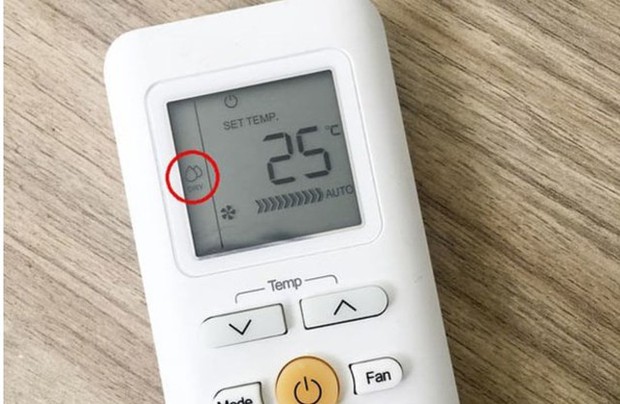
- Use air conditioning in Dry mode to quickly reduce humidity, maintaining a comfortable environment.
- Place charcoal, slaked lime, or old newspapers in rooms to naturally absorb moisture and prevent mold.
- Keep electronic devices on standby to emit slight heat, reducing moisture-related damage to components.
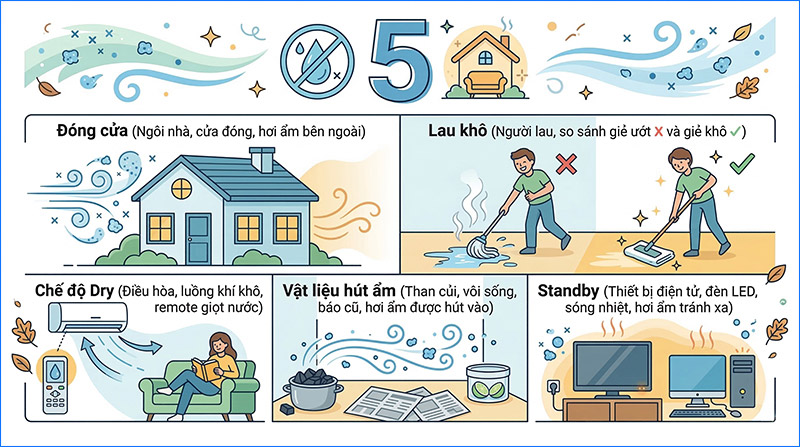
Using the Dry mode on air conditioners is the fastest way to reduce indoor humidity.
5 Tech Solutions to Eliminate Humidity from Our Collection
Air Dehumidifiers – The Ultimate Humidity Solution
For a comprehensive solution, investing in a dedicated air dehumidifier is ideal. These devices automatically balance and maintain optimal humidity levels (50-60%), keeping floors dry, protecting respiratory health, and preserving belongings from mold.
Currently, dehumidifiers from trusted brands like Sharp and Electrolux, featuring modern designs and energy-saving Inverter technology, are highly favored by families at our store.
Clothes Dryers and Drying Cabinets – Eliminate Musty Odors from Clothes
Instead of waiting endlessly for clothes to dry, a clothes dryer provides soft, dry garments in just one to two hours. Heat pump dryers or vented dryers not only dry clothes but also eliminate up to 99% of bacteria.
With this appliance, you can completely remove unpleasant moldy odors from fabrics, safeguarding sensitive skin without relying on sunlight.
Dehumidifying Cabinets for Electronics and Cameras
For tech enthusiasts and photographers with expensive cameras and lenses, a dehumidifying cabinet is essential. It maintains absolute dryness, preventing mold growth that could damage optical lenses or high-end PC components.

Dehumidifying cabinets effectively protect cameras, lenses, and electronics from mold and moisture damage.
6 Frequently Asked Questions About the Humid Season
- Should fans be used during the humid season?
Absolutely NOT. Directing fans at damp surfaces spreads moist air more rapidly, intensifying condensation. This results in even wetter and slower-drying conditions indoors.
- What to do if a newborn has a cough during the humid season?
Humid weather fosters bacterial growth, increasing respiratory illness risk for infants. Keep the baby warm, maintain nursery humidity at 55-60% (using dehumidifiers or air conditioning), regularly clean nasal passages with saline solution, and ensure clothes are thoroughly dried.
- Should hot water be used for mopping during the humid season?
Mopping with hot water and wringing the mop thoroughly is helpful. Hot water evaporates faster, speeding up floor drying. However, always follow up with a dry cloth to ensure no water remains on the surface.
- Can scented candles reduce humidity and odors?
Scented candles are a simple yet effective solution. The heat from the flame reduces airborne moisture, while essential oils eliminate musty odors. Use in well-ventilated areas and keep candles away from flammable materials.
- How to prevent food from molding during the humid season?
Saturated humidity accelerates bacterial and mold growth, spoiling food quickly. Store leftovers, fruits, and vegetables in the refrigerator immediately. Keep dry goods like grains, cereals, and spices in airtight glass jars or plastic containers, or use vacuum sealers to block moisture.
We hope this information helps you understand the humid season, its causes, and effective countermeasures. Applying these tips will keep your living space dry, clean, and healthier during damp weather.
Should You Leave the Door of a Front-Load Washing Machine Open or Closed After Use?

Should you close the washing machine door to prevent dust or leave it open to allow residual moisture to escape? This is a common dilemma for many users of front-loading washing machines.
What to Eat and Drink to Quickly Relieve Persistent Cough and Phlegm

Coughing up phlegm can significantly impact your health and daily life. Without proper dietary choices, the condition may worsen. Let’s explore what to eat and drink when dealing with cough and phlegm!
Ultimate Guide to Cleaning Steam Fans and Misting Fans
Many struggle with cleaning steam fans and misting fans during the summer, but with these tips, the task becomes incredibly straightforward.
“Strengthen Your First Line of Defense: Empower Your Immune Cells.”

Any mother would want her child to grow up healthy and strong, with minimal minor illnesses. However, with an abundance of information and conflicting advice, finding a proactive solution to prevent illnesses in children can sometimes be a daunting task.
The Ultimate Guide to Lung Health: 4 Fruits to Cleanse, Heal and Breathe Easy

Incorporate these fruits into your daily diet for a natural and effective way to safeguard your family’s respiratory health.