




















1. Washing Machines and Dryers
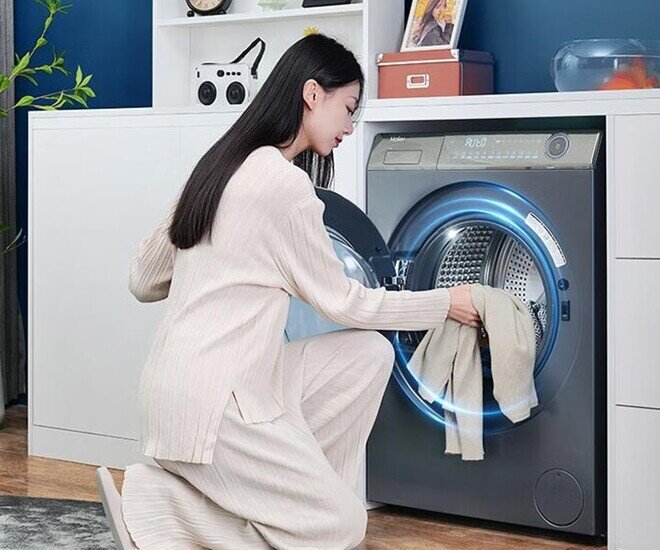
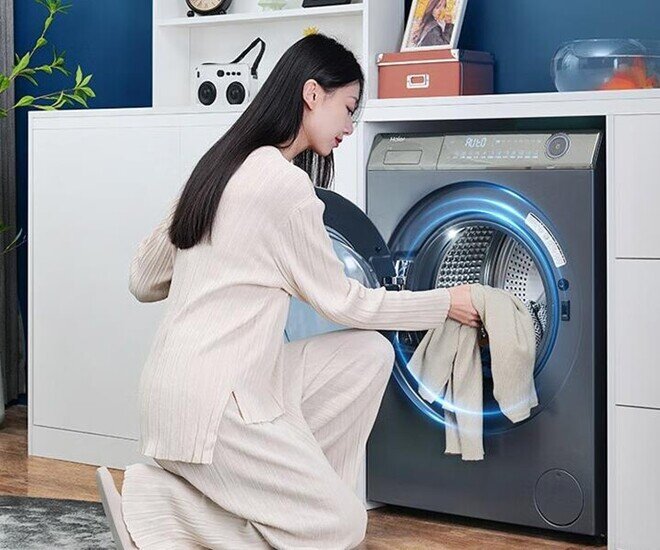
While leaving these appliances plugged in consumes minimal standby power, American electrical engineer Tim Hodnicki advises against frequent unplugging. Constantly plugging and unplugging can wear out outlets and plugs faster. Moreover, modern washing machines and dryers have integrated diagnostic systems that record usage and errors. Unplugging them erases this data, complicating maintenance and repairs.
2. Refrigerators
Never unplug your refrigerator. Doing so causes internal temperatures to rise rapidly, spoiling food and promoting bacterial growth. When plugged back in, the compressor works overtime to cool down, consuming more energy and potentially shortening its lifespan.
3. Dishwashers
Like washing machines and refrigerators, dishwashers should remain plugged in to retain control panel settings. Newer models also feature diagnostic systems, which can malfunction if unplugged frequently. Standby power consumption is negligible, making unplugging unnecessary.
4. Microwaves
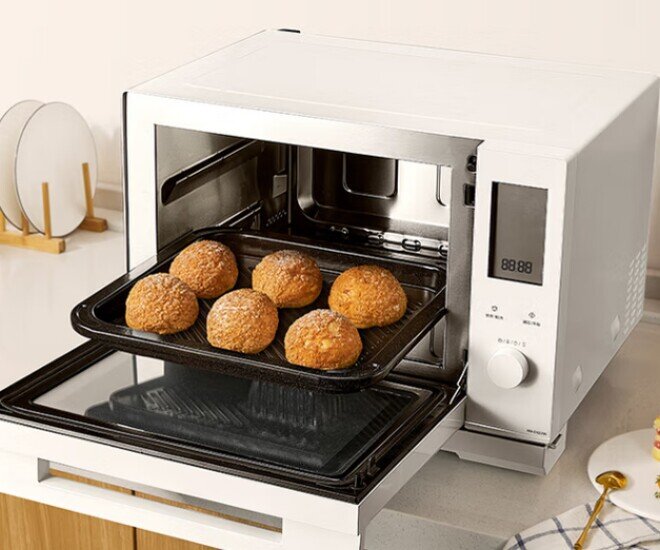
Despite being considered a “small appliance,” experts recommend keeping microwaves plugged in. Modern microwaves use minimal standby power, and frequent unplugging can damage outlets and internal components. Additionally, you’ll need to reset the clock each time you plug it back in. If concerned about energy use, use a power meter to check standby consumption.
5. Wi-Fi Routers and Modems
For stable internet, avoid unplugging these devices. Routers and modems are designed to run 24/7; frequent power interruptions reduce their lifespan, affect signal stability, and wear out transformers faster. Only restart them during network issues; otherwise, keep them plugged in.
6. Ovens and Induction Cooktops
These high-power appliances use heavy-duty outlets. Experts warn that unplugging them after each use is impractical and poses safety risks with high-current connections. If your outlet has overload protection, surge protection, or a circuit breaker, unplugging is unnecessary.
7. Water Heaters
Water heaters should remain plugged in to maintain consistent water temperatures. Frequent unplugging can cause erratic heating, increase pressure on heating elements, and shorten the device’s lifespan.
“Unveiling the Surprising Items Your Dishwasher Can Clean”

The best dishwashers save you time and effort, but they also go beyond that. These efficient appliances also help you save water and energy. Plus, with features like automatic detergent dispensing and Microban-treated parts, they ensure your dishes come out sparkling clean and your machine stays hygienically clean, too.
The Blacklisted Horizontal: 4 Reasons Why Front-Loading Washers Are a No-Go
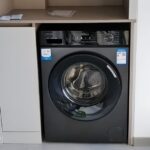
Introducing the front-loading horizontal washing machine – a sleek and modern appliance that delivers exceptional cleaning performance. With its convenient front-access design, this machine offers an ergonomic alternative to traditional top-loading washers. However, without an elevated pedestal, users may find themselves having to bend or crouch uncomfortably to load or unload laundry.
The Power Hungry 5: Unplug These Appliances to Avoid a Shocking Electricity Bill Spike
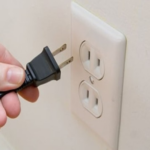
The following devices seem to use negligible electricity, but if you don’t know how to use them efficiently, your utility bills will skyrocket.
The Power Hungry 7: Unplug These Energy-Guzzling Appliances to Keep Your Bills in Check

Unplug These 7 Devices After Use to Save Money on Your Electricity Bill.
The 3 Don’ts of Microwave Usage
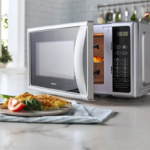
It is highly recommended that you avoid using a microwave oven that shows signs of damage such as dents, cracks, or peeling. Never place metal or unsafe plastic containers in the microwave, as this could be hazardous.