










The Mekong Delta is renowned for its fertile alluvial soil, ideal for agricultural development. Beyond being the nation’s primary rice exporter, the region boasts a variety of specialty fruits, most notably the mangosteen—a fruit currently trending on social media. Intriguingly, the Mekong Delta is home to a nearly 200-year-old mangosteen orchard. Let’s explore this fascinating destination together!
1 Introduction to Mangosteen
 Introduction to Mangosteen
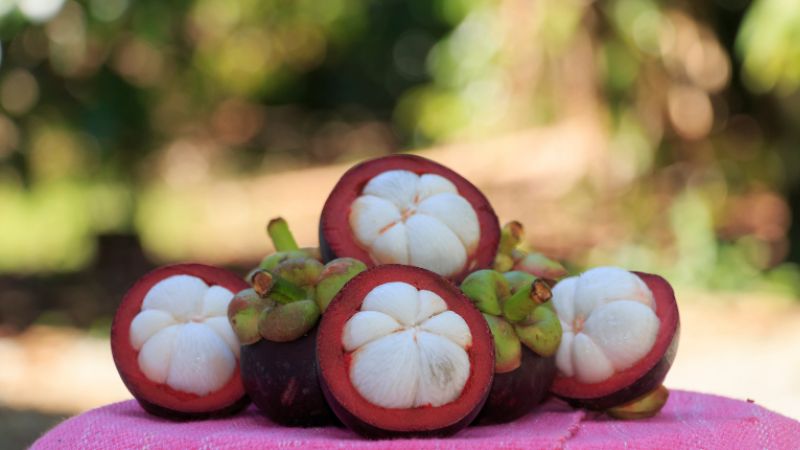
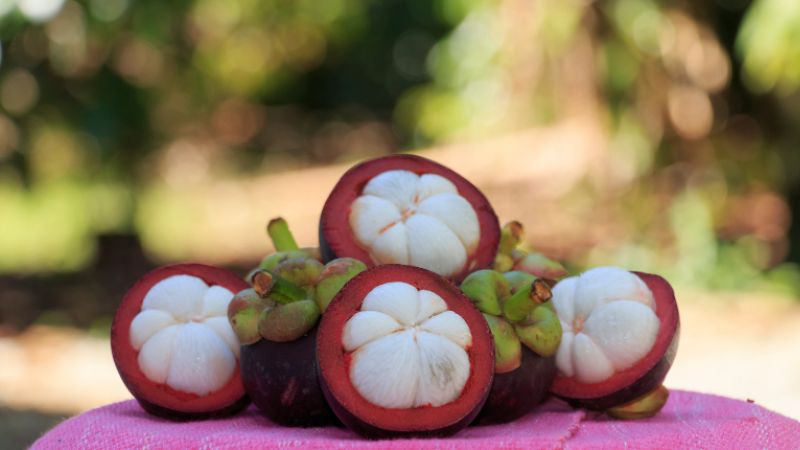
Mangosteen, also known as the “garlic fruit,” is a tropical tree belonging to the Clusiaceae family. Dubbed the “Queen of Fruits” in Southeast Asia, mature mangosteen trees can reach heights of 6 to 25 meters.
The fruit features a thick rind that transitions from pale green when unripe to a deep purple when fully ripe. Inside, the white, juicy segments are both fragrant and delightfully sweet with a hint of tartness.
Mangosteen holds significant economic value and is often enjoyed as a dessert or incorporated into dishes like mangosteen chicken salad. Traditional medicine also attributes healing properties to mangosteen, using it to treat skin infections, wounds, and dysentery.
2 What Makes the Nearly 200-Year-Old Mangosteen Orchard in the Mekong Delta Special?
 What Makes the Nearly 200-Year-Old Mangosteen Orchard in the Mekong Delta Special?
Address: Area 4, Ba Láng Ward, Cái Răng District, Cần Thơ
Phone: 0906699610
Pros: Cool, refreshing atmosphere
Cons: Tourism services are new; contact the owner in advance to arrange a visit
Located at 605 Area 4, Ba Láng Ward, Cái Răng District, approximately 6km from Cần Thơ City Center, Lan Dung Mangosteen Orchard has recently opened its doors to tourists. This historic orchard promises to be a captivating summer destination.
Ms. Võ Thị Mai Lan, the orchard’s owner, shares that her family’s 10-acre garden is primarily planted with mangosteen trees, some of which are nearly 200 years old. Remarkably, despite bearing scars from wartime bombings, these resilient trees continue to bear fruit annually.
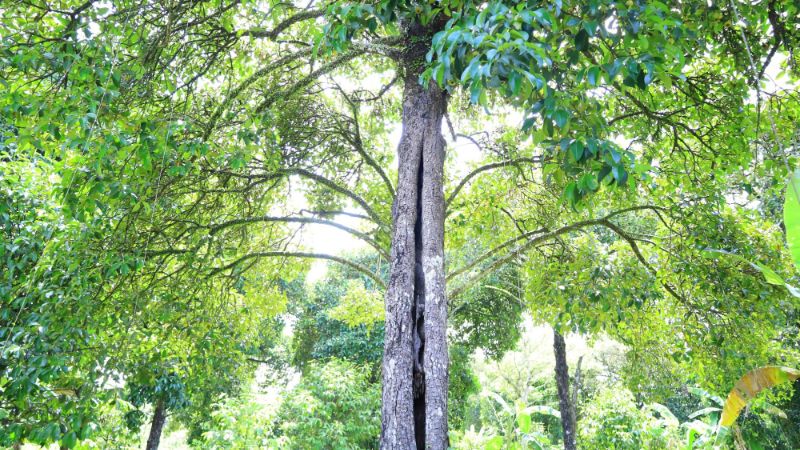 Trees bearing historical scars from wartime bombings
The orchard features approximately 70 mangosteen trees, towering over 10 meters with lush, expansive canopies. Visitors are greeted with a cool, pleasant escape from the summer heat. The naturally grown, chemical-free mangosteens ensure a safe and healthy experience.
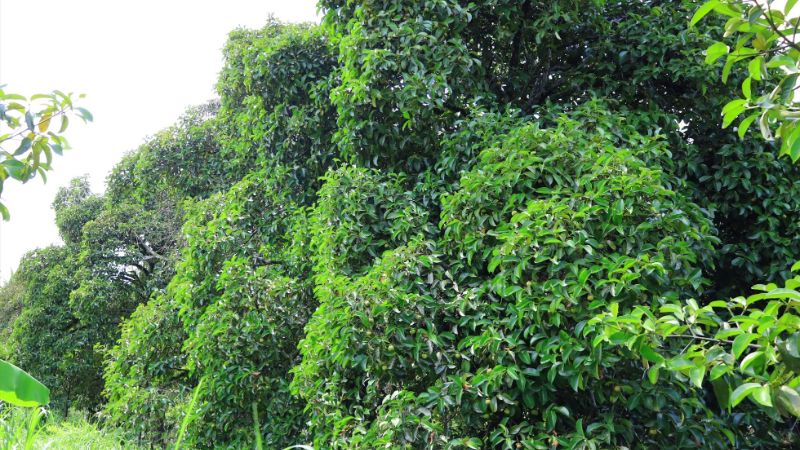 Lush, expansive tree canopies
Ms. Lan explains that the orchard, passed down from her grandparents, includes many century-old trees. These ancient trees develop distinctive growths called “nu,” which enhance the fruit’s flavor as they age.
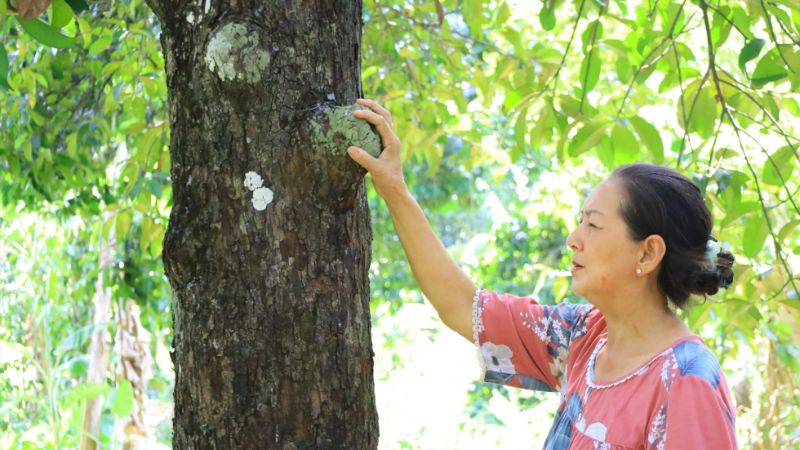 Century-old trees with distinctive “nu” growths
Historically, the family sold their harvest to traders. However, inspired by her son’s suggestion to share the orchard’s beauty with visitors, Ms. Lan decided to open it to tourists.
At Lan Dung Orchard, visitors can enjoy activities like fishing, rowing boats, and fruit-picking, with prices varying by season. Ms. Lan also prepares delicious local dishes such as mangosteen salad, Vietnamese pancakes, and stuffed sticky rice cakes for her guests.
“The Humble Fruit with a ‘Poor’ Name: A Hidden Gem of the Mekong Delta, Perfect for Any Dish”
Not only renowned as the nation’s “rice granary,” the Mekong Delta also boasts a rich culinary treasure trove filled with rustic, locally sourced delights. Among these, the water apple stands out as a fruit both familiar and unique, deeply intertwined with the daily lives of the region’s inhabitants.
From Chart-Topping Southern Singer to Struggling Street Vendor: A Fallen Star’s Fight for Survival

Gazing upon the images of Vu Tram Anh’s current life, audiences can’t help but reminisce and recall the golden era that the singer once graced.
“The Enchanting Fruit with a Poetic Name: Sóc Trăng’s Signature Delicacy, Known for Its Unique Aroma in Both Fruit and Leaves”
The velvet persimmon boasts a rounded, egg-shaped form, encased in a thin, velvety skin that deepens to a rich reddish-brown when ripe. Its tender flesh exudes a subtle fragrance, offering a delicately sweet and refreshing flavor that melts in your mouth.
The Ultimate Guide to Western Vietnam’s Signature Delicacy: A Former Peasant’s Staple Turned Luxury City Delicacy.
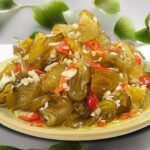
Fermented pickled cucumber is a humble dish with an unforgettable taste. This simple, affordable delicacy is easy to prepare and made with readily available ingredients, yet it delivers a memorable culinary experience.
The Beach, a Short Drive From Ho Chi Minh City, as Visited by Phuong Khanh: A Seafood Paradise With Rustic Charm.

The newly crowned Miss Earth 2018, Nguyen Phuong Khanh, took to her personal page to share vibrant and ethereal snapshots from her recent visit to her hometown of Ben Tre, a quaint coastal town in Vinh Long Province. The breathtaking backdrop of the rustic beachside setting provided a perfect contrast to the lively and enchanting beauty of the young environmental advocate.