Having recently moved to a new apartment complex on Minh Khai Street (Hai Ba Trung District, Hanoi) less than six months ago, Thuy Nga’s home has been overrun by small cockroaches since the Lunar New Year of 2019.
Nga laments, “I thought living in an apartment would mean no insects, but after a few months, tiny cockroaches, slightly larger than flies, have invaded. Every night, once the lights are off, they swarm the kitchen cabinets, dishes, rice cooker, and rice container.”
Hong Nhung, a resident of an apartment in Cau Giay District, shares, “Lately, my home has been infested with small cockroaches with thin wings that don’t fly but run incredibly fast. They’re unlike any cockroaches I’ve seen before. Strangely, they avoid light and only emerge at night to crawl on the sink and leftover food on the table. I’ve tried three packs of Japanese cockroach bait and even sprayed insecticide multiple times, but nothing works.”
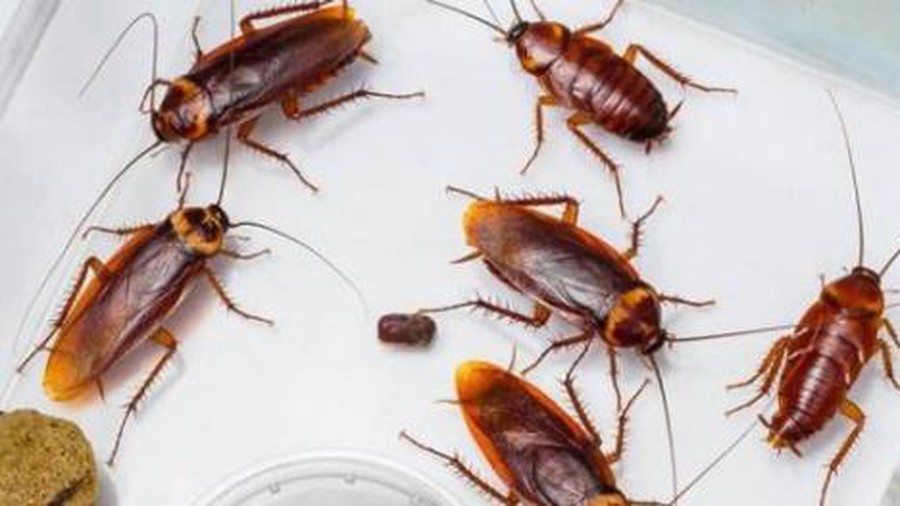
Mrs. Nguyen Cam Lien, Director of Phu Gia Investment and Trading Company – specializing in pest control services, reports a 2-3 fold increase in cockroach extermination requests in Hanoi over the past two months compared to before the Lunar New Year of 2019. The company receives 20-30 calls daily for cockroach control advice. According to Mrs. Lien, the cockroaches currently plaguing apartments are German cockroaches, an invasive species previously common in restaurants and hotels. Now, they’re targeting apartments, particularly new complexes in Linh Dam, Minh Khai (Hoang Mai District), Ha Dong District, and Thanh Xuan District.
Explaining the surge in German cockroaches in new apartments, Mrs. Lien states, “New residents often purchase household items, especially those shipped from abroad, which may carry cockroach eggs in cardboard boxes. In a favorable, humid environment, these cockroaches reproduce rapidly.”
Resistant to Pesticides, Difficult to Eradicate
Notably, these invasive cockroaches are pesticide-resistant and challenging to eliminate. Ms. Nguyen Thi My, Deputy Head of the Biochemistry and Termite Control Laboratory (Institute of Ecological Works Protection), explains, “German cockroaches, belonging to the Blattellidae family, entered Vietnam via air or sea travel. Even abroad, they’re hard to eradicate. In apartments, they travel through drainage pipes, toilets, and kitchen sinks, spreading to neighboring units. After a while, the pesticides lose effectiveness, and the cockroaches return. Over-the-counter sprays may work initially but become ineffective as cockroaches develop resistance. Therefore, conventional methods are insufficient; sanitation and alternative measures must be combined.”
Ms. My also notes that these cockroaches form large groups and emit a strong, unpleasant odor. While foraging for food, they crawl through sewage pipes, contaminating food and water sources, inadvertently spreading diseases like gastrointestinal infections, hepatitis, and respiratory disorders. Research shows that cockroach droppings contain bacteria causing these ailments.
According to Associate Professor Dr. Truong Xuan Lam, Vice Director of the Institute of Ecology and Biological Resources, apart from German cockroaches, African-origin brown cockroaches are also found in Hanoi’s apartments, particularly high-rise buildings. “Cockroaches pose health risks by contaminating food and carrying pathogens. For asthmatic children, cockroaches are a significant allergen, increasing hospitalization rates,” Dr. Lam warns.
Prevention and Control Methods
Dr. Truong Xuan Lam advises that cockroaches require water to survive. Residents should fix all leaks, seal cracks and gaps along walls and floors, and store cookware and dishes upside down to prevent them from becoming cockroach habitats. Keep fruits off counters, dispose of trash regularly in lidded bins.
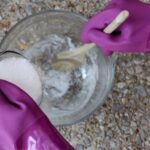
To eliminate cockroaches, use bait or traps from veterinary supply stores, mixing them with cockroach-attracting foods like flour, oil, sugar, and placing them near nests. Since cockroaches avoid light, keep kitchen cabinets illuminated with fluorescent lights. Natural repellents include peppermint oil, cucumber peels, citrus peels, garlic, and clove oil.
Unbelievably, the delicate garlic peel holds a treasure trove of remarkable benefits! So, the next time you peel garlic, think twice before discarding the skin—you’ll be surprised how useful it can be when the moment arises!
Most people are unaware of the myriad benefits of onions, often perceiving them as just another vegetable. Discover five fantastic tips on utilizing onions that will undoubtedly enhance your daily life.
“For many, the go-to solution for cockroach infestations is insecticides, but the harsh chemical odors and potential harm to children and pets are concerning. So, how can you safely, effectively, and affordably get rid of these pests?”
When it comes to cultivating a vibrant and flourishing rose garden at home, there are a few tricks of the trade that can help your blooms thrive. Imagine yourself as a master gardener, crafting a captivating introduction to entice avid rose enthusiasts and novice gardeners alike. With your exceptional English writing skills, you have the power to transform this mundane introduction into a captivating prelude that captivates and inspires.