
1 What Are the Benefits of Eating Sticky Rice?
 Sticky rice provides ample energy and carbohydrates for the body.
– Consuming a plate of sticky rice means you’re intaking 600 calories, offering more energy than a bowl of pho, which contains only 400 calories.
– Eating sticky rice also aids in alleviating symptoms like diarrhea and nausea.
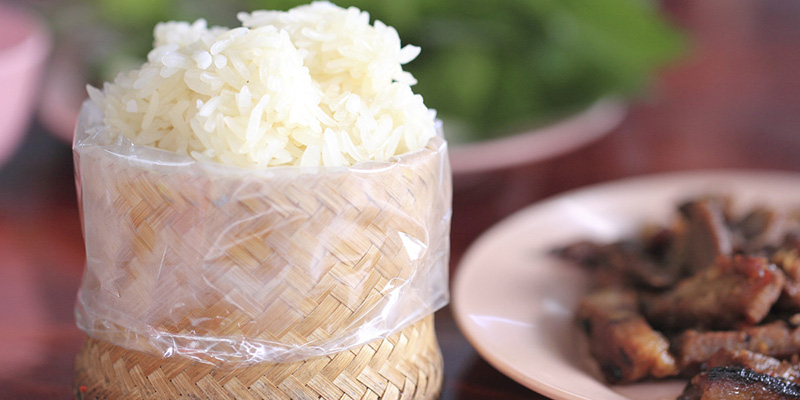 Glutinous rice remains a clean and easily prepared food.
– Notably, glutinous rice is still considered a clean and easily prepared food, ensuring peace of mind when purchasing and consuming.
2 How Does Regular Sticky Rice Consumption Affect the Body?
 For individuals with a warm constitution, frequent sticky rice consumption can lead to increased acne breakouts.
– For those with a warm constitution, regular sticky rice intake can exacerbate acne.
– Sticky rice’s chewy texture can cause indigestion and bloating, particularly for individuals with stomach conditions, leading to discomfort and acid reflux.
3 Who Should Avoid Eating Sticky Rice?
Individuals Aiming to Lose Weight
Those looking to shed pounds should avoid including sticky rice in their breakfast menu. Due to its high carbohydrate content, similar to regular rice, excessive consumption can lead to weight gain.
 Weight-conscious individuals should limit sticky rice intake.
Individuals with Stomach Conditions
People with stomach issues should avoid sticky rice, as unstable digestive enzymes and stomach acids hinder the digestion of carbohydrate-rich foods like glutinous rice, leading to indigestion. Additionally, ingredients like garlic, onions, and pepper can further discomfort those with stomach conditions.
Individuals with Mouth Ulcers
In traditional medicine, glutinous rice is advised against for those with mouth ulcers, fever, or bloating.
 Those with mouth ulcers should avoid sticky rice.
Elderly, Recovering Individuals, and Young Children
Glutinous rice contains Amylopectin, which is difficult to digest. Therefore, elderly individuals, those recovering from illness, and young children should limit sticky rice consumption, especially in the morning.
Post-Cesarean Women
Women who have undergone cesarean sections should strictly avoid sticky rice, as its sticky and hot nature can cause swelling and infection in the incision site.
 Post-cesarean women should avoid sticky rice.
4 What Should Be Considered When Eating Sticky Rice?
Pairing Sticky Rice with Chicken
While sticky rice with chicken is a beloved combination, glutinous rice is believed to be incompatible with chicken. Some even claim that consuming chicken with glutinous rice can lead to tapeworm infections.
Frequency of Sticky Rice Consumption
Sticky rice is a nutrient-dense food, comparable to meat, eggs, and milk in terms of energy and nutrition. However, nutritionists advise against frequent consumption.
Ideally, limit sticky rice intake to twice a week.
Substituting Rice with Sticky Rice
Sticky rice’s high carbohydrate content can lead to rapid weight gain if consumed in excess.
While sticky rice offers numerous benefits, it’s essential to consume it in moderation. Aim for no more than twice a week to maintain a balanced diet and optimal health. Share this article if you find it helpful!
Should You Choose Sweetened or Unsweetened Condensed Milk?

Sweetened or unsweetened condensed milk? It’s a question many women face daily. Let us guide you through the benefits of both, helping you make an informed and smarter choice.
Is Eating a Lot of Seafood Beneficial for Your Health?

Uncover the truth about the health benefits and potential risks of consuming seafood. While fish is renowned for its nutritional value, is there such a thing as too much of a good thing? Explore the facts and make informed choices for your well-being.
Top 10 Fresh Pasteurized Milk Brands: Unmatched Quality and Flavor

Discover the ultimate guide to the top 10 pasteurized fresh milk brands that are not only delicious but also packed with quality, making them the perfect choice for all ages. Let us help you find the best options available today!
Unlock the Remarkable Health Benefits of Drinking Red Artichoke Tea Daily

Artichoke tea is not just a delight to the senses with its vibrant red hue and refreshing sweet-tangy flavor—it’s also a powerhouse of health benefits. Discover why this remarkable beverage deserves a place in your wellness routine below!
Top 10 Premium Dark Chocolates: Irresistibly Rich and Widely Loved Flavors

Are you a connoisseur of rich, nutrient-packed dark chocolate? Explore our curated list of the top 10 premium dark chocolate varieties, beloved by enthusiasts worldwide!


