The protein content in fish sauce refers to the amount of Nitrogen (N) present in one liter of the sauce. Typically, fish sauce contains various types of proteins, such as total protein, Amino protein, and Ammonia protein. The protein level displayed on the packaging is usually the total protein content.
1 Does Higher Protein Content Mean Better Fish Sauce?
It’s true that higher protein content often indicates better quality fish sauce, but only when the sauce is traditionally brewed using fish as the sole ingredient, without any additional protein sources. However, if the high protein content comes from other sources, the quality and taste of the fish sauce may be compromised.

High-protein fish sauce is concentrated, resulting in a smooth texture, deep reddish-brown color, and a rich, slightly intense flavor. Producing such fish sauce is costly, making it more expensive than lower-protein alternatives.
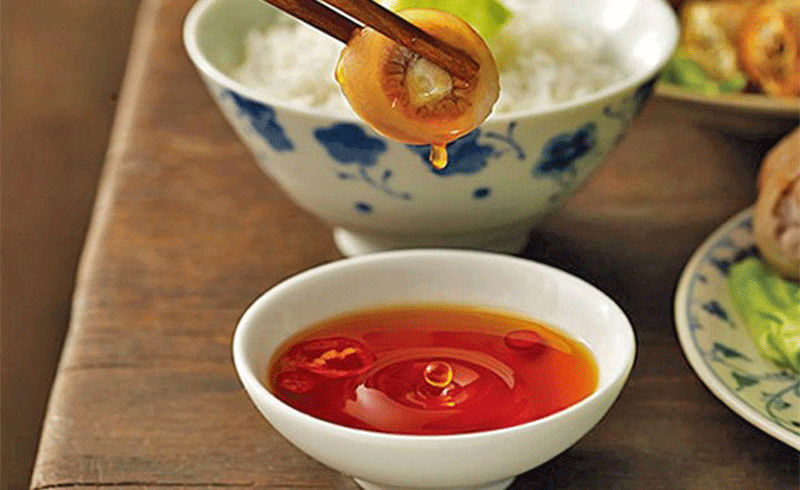
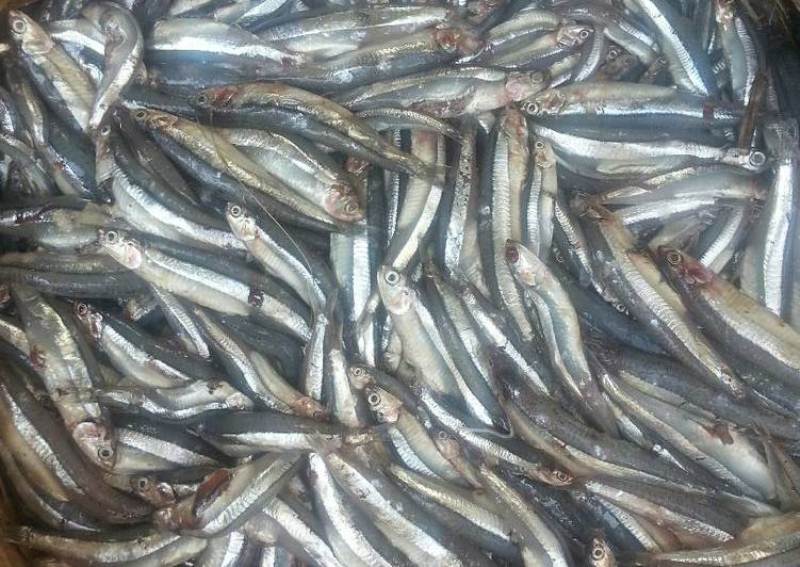
According to Assoc. Prof. Dr. Nguyễn Duy Thịnh from the Institute of Biotechnology and Food Technology at Hanoi University of Science and Technology, higher protein content generally indicates better fish sauce quality. The protein in fish sauce comes from the hydrolysis of fish, where proteins break down into amino acids, giving the sauce its distinctive aroma.
2 Relying on Protein Content to Judge Fish Sauce Quality Can Be Risky
Consumers who choose fish sauce based solely on protein content may face risks. Some manufacturers, aiming to cut costs while satisfying demand, add external protein sources like urea, amino acids, or melamine. In extreme cases, fish sauce is merely a blend of flavorings, colorings, and amino acids.
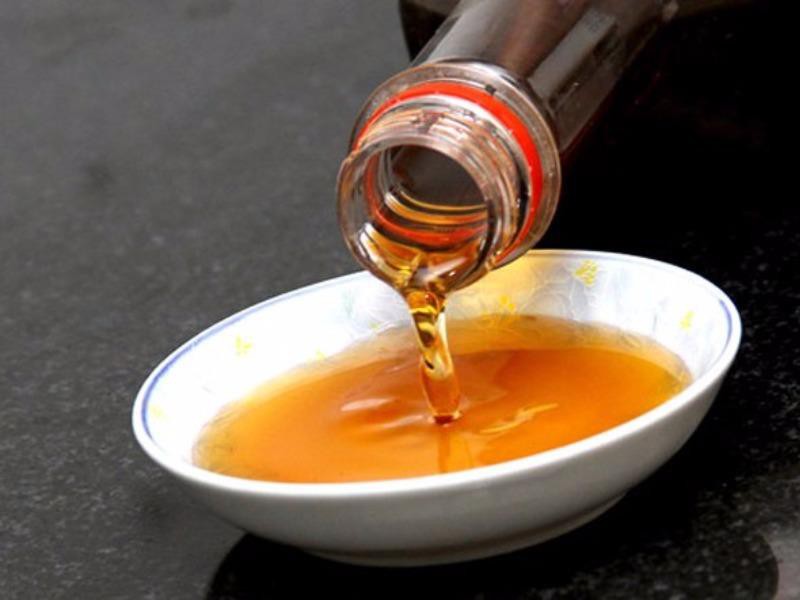
Assoc. Prof. Dr. Nguyễn Duy Thịnh notes that traditional hydrolysis methods typically yield fish sauce with 20-30% protein content. Fish sauce with 50-60% protein may contain synthetic nitrogen or soy-based proteins, which can harm consumers. During absorption, these proteins can produce Nitrite, a potential carcinogen. Additionally, some manufacturers use industrial colorings with high heavy metal content.
When selecting fish sauce, don’t rely solely on protein content. Carefully read the ingredient list on the packaging and purchase from reputable sources to ensure a safe, high-quality product.
Top 10 Must-Visit Spots to Buy Iconic Nha Trang Specialties as Gifts
Discover the ultimate guide to Nha Trang’s top 10 must-visit spots for the most sought-after local specialties and souvenirs. From delectable treats to unique mementos, these handpicked destinations promise an unforgettable shopping experience.
3 Delicious Yet Shockingly Unsanitary Dishes Even Chefs Avoid—But Diners Can’t Resist
These dishes are a favorite for many, but the hygiene and preparation processes at outdoor eateries may not always meet food safety standards.
SU
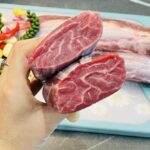
Unleash the ultimate Tet delicacy with our foolproof recipe for tender, mouthwatering beef brisket in fish sauce. This meticulously crafted method guarantees a perfectly crisp texture, free from any unpleasant film or spoilage, ensuring a truly irresistible treat for your holiday feast.
Preserve Meat Freshness: Avoid Refrigerating Immediately—Add This Extra Step for Longer Shelf Life and Just-Like-New Cooking Results

Preserving the freshness and flavor of pork for an extended period requires a few insider tips and tricks. With the right techniques, you can enjoy succulent, tender pork that tastes just as delicious as the day it was purchased. Discover the secrets to keeping your pork fresh and flavorful, ensuring every meal is a culinary delight.
“Preschool Teacher Shares Clever Tips for Growing Bean Sprouts Using Milk Cartons and Reveals Eye-Catching Meal Platters”

Discover the simple yet ingenious method of growing bean sprouts using a milk carton, as shared by a dedicated kindergarten teacher. This innovative approach empowers home cooks to cultivate their own fresh and safe food source, ensuring a healthier and more sustainable kitchen.