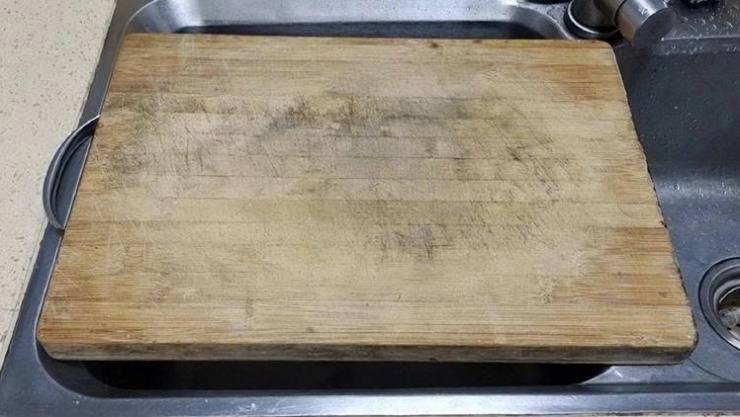
Cleaning New Wooden Cutting Boards
Many people use cutting boards immediately after purchase without proper cleaning, which poses hygiene risks. To ensure safety, follow these initial cleaning steps:
Rinse with Boiling Water: After removing the packaging, place the board in the sink and rinse both sides with boiling water to eliminate dust and initial bacteria.
Soak in Saltwater: Dissolve about 100g of salt in water, then soak the board for approximately 2 hours. Flip the board occasionally for even salt absorption. Afterward, remove and air-dry in a well-ventilated area.
Apply Cooking Oil: Once dry, apply a thin layer of cooking oil to prevent cracking and enhance durability. Repeat this step 2-3 times. Finally, wash with dish soap and rinse with hot water before use.
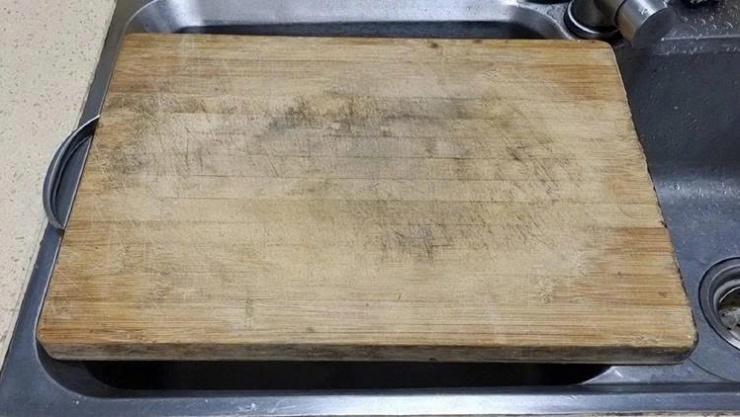

Regularly clean the board, air-dry it, and replace it when cracks or mold appear to ensure health safety.
Deep Cleaning Long-Used Wooden Cutting Boards
Compared to other materials, wooden boards are more prone to odors and bacteria. For long-used boards, try these effective cleaning methods:
Use Vinegar: Vinegar’s mild acidity neutralizes odors and kills bacteria. After washing with dish soap, apply vinegar to both sides, let it sit, then wipe dry.
Use Rice Water: Rice water with a pinch of salt removes fishy odors. Soak the board for a few minutes, then rinse with clean water.
Use Olive Oil: Apply a few drops of olive oil to the surface, rub it in, and leave overnight. Wash with dish soap the next morning. This method cleans and protects the wood, so perform it monthly.
Use Hydrogen Peroxide: Hydrogen peroxide is a strong disinfectant. Wipe the board with vinegar first, then use a cloth soaked in hydrogen peroxide, and rinse thoroughly.
Use Soap and Hot Water: For stubborn stains, scrub with a sponge soaked in hot soapy water, then rinse clean.
Use Bleach: Dilute bleach with water (1 tablespoon per 1.5 liters), spray on the board, let sit for 10 minutes, then rinse thoroughly with hot water. Avoid food contact with bleach.
Use Lemon and Salt: A natural, safe method. Rub lemon on the board, sprinkle with salt, and scrub in circles. Rinse and air-dry.
Proper cleaning extends the board’s lifespan and reduces foodborne bacteria risks. Regularly clean, air-dry, and replace boards with cracks or mold for health safety.
How Often Should You Clean Your Showerhead?
Showers are a daily necessity, yet many overlook the importance of cleaning their showerheads. Despite constant water flow, these fixtures can harbor hidden bacteria, making regular cleaning essential for a truly refreshing shower experience.
Preserving the Beauty of Handmade Crepe Paper Flowers: Timeless Tips for Long-Lasting Elegance

Delicate handmade paper flowers, if not properly preserved, will gradually fade over time.
The Secret to Restoring Your Stainless Steel Pots and Pans to Their Former Glory: Unveiling the Mystery Behind the Stubborn Stains.
Why do stainless steel pans turn ‘pitch black’ no matter how much you scrub? Chances are, you’ve fallen prey to these common habits.
The Ultimate Guide to the [Product Name]: Unlocking the Secrets of This Everyday Item

Introducing the unsung hero of everyday items – elastic bands! From shoe laces to bag straps, backpack harnesses, and even blood pressure monitors, these versatile cords are everywhere yet remain nameless to most. Join us as we unravel the mystery behind these ubiquitous elastics and explore their role in our daily lives.
Mastering the Art of Chopping Board Care: A Guide to Longevity and Sanitation
Introducing the ultimate guide to cutting board care: unlock the secrets to maintaining and preserving your chopping boards, ensuring they remain pristine and durable. Discover the dos and don’ts of chopping board maintenance, and elevate your kitchen game with these expert tips and tricks. Learn how to care for your cutting boards like a pro and impress your guests with your culinary prowess.