

















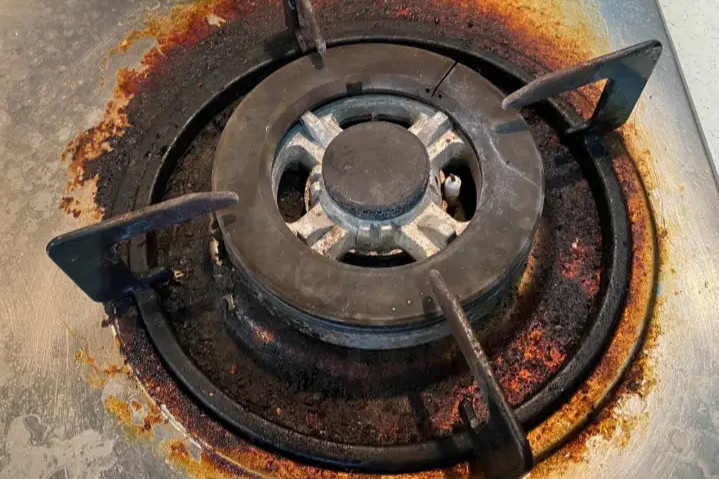
When you first purchase a gas stove, it typically operates smoothly. However, over time, grease, food particles, and spills can clog the small holes in the burner, leading to weak flames. The flame often turns yellow, burns unevenly, and cooking takes longer, resulting in higher fuel consumption.
To fix this issue, all you need is a toothpick to “heal” your gas stove.
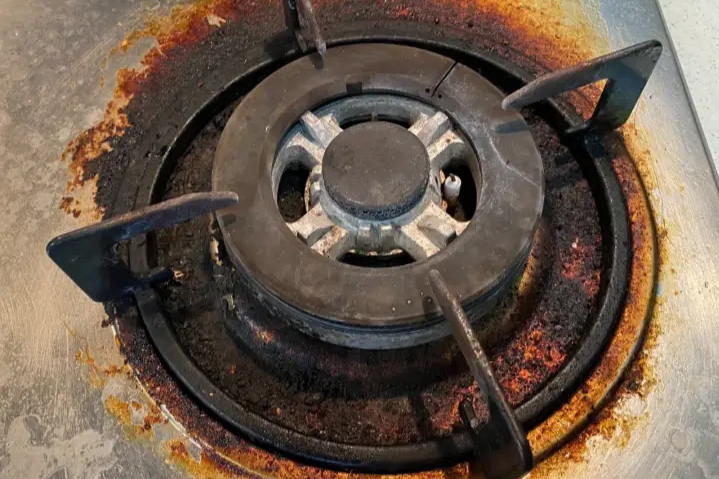
A dirty gas stove is the primary cause of uneven flames, affecting the quality of your dishes. (Image: Sohu)
Using a Toothpick to Fix Uneven Flames on Your Gas Stove
First, turn off the stove and allow it to cool completely before cleaning. Lift the burner and use a toothpick to inspect each hole on the burner cap.
Insert the toothpick to clear any debris, and the holes will immediately unclog.
After removing stubborn grease from the holes, soak the burner cap in warm water with a few drops of dish soap and scrub until it’s shiny. Rinse off the soap, then let it air dry or wipe it thoroughly with a dry cloth.
Finally, use a hairdryer on a cool setting to ensure all moisture and residue are gone. Reattach the burner cap and ignite the stove; the blue flame will burn efficiently, saving time and gas during cooking.
Performing this maintenance once a month will reduce your gas bill by half and extend the life of your stove.
Safety Tips for Using a Gas Stove
To ensure safety and efficiency when using a gas stove, keep the following in mind:
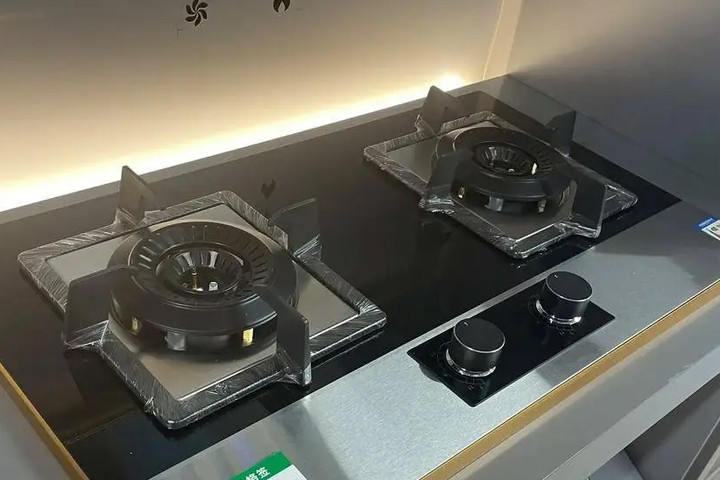
Regularly inspecting and cleaning your gas stove ensures a safe kitchen environment.
Thoroughly Inspect Your Gas Stove Before Purchase
Start by examining the burner. Different burners have varying thermal efficiency levels. Copper burners are the most efficient and durable. When choosing a safe stove, consider this factor.
Additionally, look for features like flame control, safety valves, and pan supports. These are essential for safety and usability.
Regular Cleaning
Clean your gas stove thoroughly every month using a toothpick or small pin to prevent debris from becoming a fire hazard. Install a heat-resistant panel behind the stove, as wood cabinets, wallpaper, and plastic are flammable. Keep the stove edges at least two fingers away from these materials; even strong flames won’t ignite your furniture.
After cleaning, soak the burner cap in warm soapy water, let it dry, and reinstall it; this significantly prolongs its lifespan.
Never Leave the Stove Unattended While Cooking
When cooking, stay in the kitchen or set a timer to avoid accidents. If soup or liquid spills over, turn off the flame immediately to prevent gas leaks, which can endanger your family.
If you smell gas, shut off the main gas valve first, open the windows, and call for emergency repairs.
Call a Professional Immediately in Case of Issues
If you detect a rotten egg odor or hear a gas alarm, immediately shut off the main gas valve and open the windows for ventilation. Avoid touching light switches or mobile phones. Take your phone to the hallway and contact your building manager or gas company, then wait for a professional technician to inspect and repair the issue.
“A Tiny ‘Organ’ on Your Gas Stove: How a Simple Toothpick Hack Can Save You Hundreds on Gas Bills Every Year”
“Save a pretty penny on your monthly gas bills with this simple yet effective tip. This hack is a game-changer when it comes to cutting down those daunting energy expenses.”
Should You Turn Off the Gas Knob or the Flame First After Using a Gas Stove?

Introducing the humble gas stove – a staple appliance in many households across the globe. But did you know that there’s a correct order to turning off your gas stove? Should you shut the valve first or extinguish the flame? Stay tuned as we unravel the mystery behind this everyday conundrum and empower you with the knowledge to master your gas stove like a pro.
Should You Turn Off the Gas Stove or Lock the Gas Valve First? Many Are Doing it Wrong.
Using a gas stove correctly not only saves gas but also keeps your family safe from gas poisoning. It is imperative to prioritize safety and efficiency when cooking with gas to ensure a pleasant and secure experience for you and your loved ones.
7 Essential Safety Tips for Your Home Gas Stove
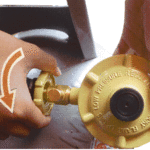
Recent gas stove explosions and fires have caused widespread panic and concern amongst the community. Join us as we delve into the reasons behind these incidents and uncover ways to prevent them from happening in your home.
“Is It Better to Use the Right or Left Burner on a Gas Stove for Stir-Frying?”
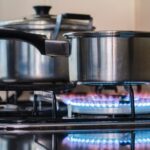
Is there any truth to the rumor that cooking on a right-handed gas stove is better than on the left? Find out with us as we explore this intriguing question in the article below!