Nutritional Components of Cheese
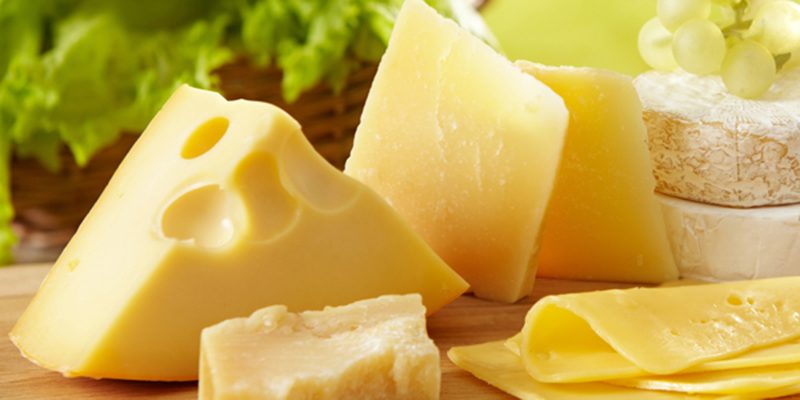
A single 30g serving of cheese contains approximately 7g of protein, 200mg of calcium, and essential nutrients like lipids, carbohydrates, vitamins, and minerals vital for overall health.
During pregnancy, expectant mothers require ample calcium to support both their own health and the baby’s development, particularly for strong bones and teeth.
Cheese boasts six times more calcium than milk, making it an ideal choice for maintaining weight while ensuring sufficient nutrients for the baby.
Additionally, casein, a type of protein in cheese, significantly benefits breastfeeding later on.
Thanks to its lactose-free composition and beneficial bacteria and enzymes, cheese helps alleviate digestive issues like constipation, diarrhea, and bloating in pregnant women.
Potential Risks of Cheese Consumption During Pregnancy
Despite its rich nutritional profile, cheese is not entirely risk-free.
It may harbor Listeria, a harmful bacterium that poses severe risks to the fetus.
Listeria causes food poisoning, which can mimic flu symptoms but may lead to grave complications such as miscarriage, preterm birth, or stillbirth.
This doesn’t mean expectant mothers should avoid cheese altogether. Instead, focus on selecting high-quality, safe products.

Tips for Choosing Safe Cheese During Pregnancy
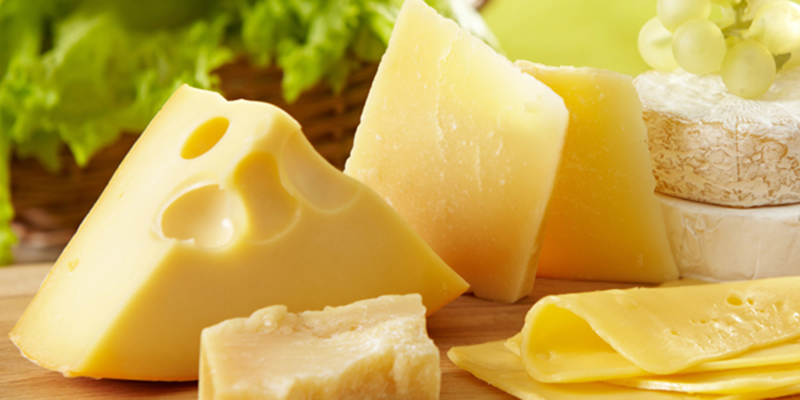
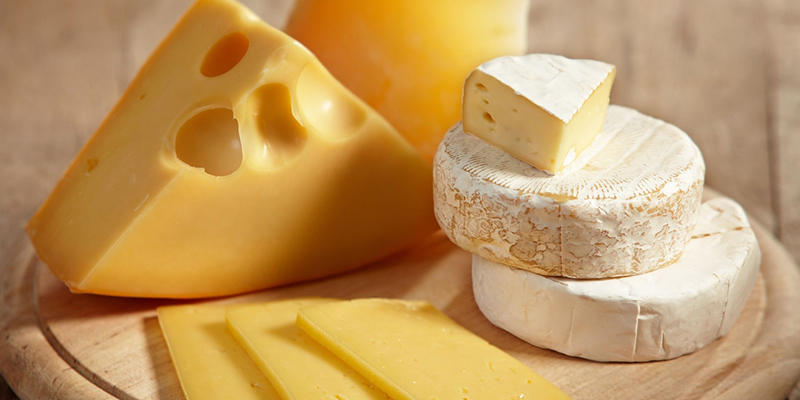
Opt for hard cheeses to ensure safety for both mother and baby. Recommended varieties include: Caerphilly, Cheshire, Derby, Double Gloucester, Edam, Emmental, and English Goat Cheddar.
Avoid soft cheeses with blue veins, often made from goat’s milk, as they may harbor Listeria.
Be a smart expectant mother by choosing the right products for you and your little one, ensuring the best start in life.
Top 10 Best Milk Recommendations for Pregnant Women in the First Trimester
{“error_type”:”NO_VALID_RESPONSE_GENERATED”,”id”:”f9ce6d47-bf51-4faf-ada9-337e65de2d19″,”message”:”No valid response generated. Try updating messages”}
“Five Years After Divorce, I Ran Into My Ex-Wife Handing Out Flyers—My Second Wife and I Were About to Mock Her When Someone Called Out: ‘Hello, Director’”

In that moment, all I wanted was to vanish, overwhelmed by an unbearable sense of embarrassment.
Effortless Weight Loss with Unsweetened Fresh Milk
Achieving a balanced figure is a dream for many women. However, post-pregnancy weight gain often leaves new mothers feeling self-conscious about their bodies. Understanding this concern, Bach Hoa XANH shares an incredibly effective weight loss secret: using unsweetened fresh milk.
Is Coconut Pulp a Safe and Healthy Snack for Pregnant Women?
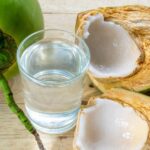
Indulging in coconut flesh is a beloved pastime for many, especially expectant mothers who find themselves drawn to this unique treat. But the question remains: Is coconut flesh a healthy choice for pregnant women? Let’s explore this intriguing query and uncover the answers together.
“Mango Season Tips for Pregnant Women: Essential Precautions to Keep in Mind”
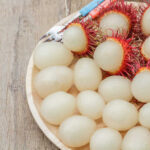
Pregnant women can reap numerous benefits from eating rambutan, a tropical fruit. However, to ensure a healthy pregnancy, it’s crucial to be aware of certain precautions, which we’ll discuss in this article.