Every time you buy new clothes, especially as holidays or festivals approach, it’s hard to resist the urge to wear them immediately. But have you ever considered whether new clothes are truly clean after going through multiple processes before reaching you, the consumer? If you’re still curious, keep reading to find out the answer.
1 Should New Clothes Be Washed Before Wearing?
In an experiment, Philip Tierno, a microbiology professor at New York University, tested various clothing items from both affordable and high-end fashion stores. The results revealed that many types of viruses and bacteria exist on newly purchased garments, including Norovirus (which causes diarrhea, vomiting, and stomach inflammation), streptococcus, staphylococcus, and even fecal bacteria.
Many people naively assume that new clothes are clean since no one has worn them yet, or that only a few people might have tried them on. However, in reality, the number of people who have tried on the same item can reach dozens, or even more, depending on how long it’s been in the store. Moreover, no customer is 100% clean, and each person contributes a bit of bacteria, leaving the last buyer to bear the brunt.

While the professor notes that the risk of infection or illness from wearing unwashed new clothes is relatively low, it’s still possible. Touching the clothes and then accidentally touching your eyes, nose, or mouth—especially if you have an open wound—can lead to bacterial infection.
Even if you’re not concerned about bacteria, wearing clothes that have been tried on by numerous people can be unsettling. Would you feel comfortable going out in clothes whose cleanliness and previous wearers’ health are unknown? The answer is likely no.
Even if you purchase clothes that are still in their original packaging and untouched, they’re not necessarily clean or safe to wear immediately. These items have traveled through various places, from fabric mills to sewing factories, and undergone chemical treatments and dyeing processes, which can potentially cause skin allergies. This is yet another reason why washing new clothes is essential.
2 Tips for Washing New Clothes

– Instead of using detergent, wash new clothes with water. This keeps them softer, prevents lint, and avoids color bleeding.
– Soak clothes in vinegar or a bit of salt before washing to minimize color fading and maintain vibrancy.
– For clothes with prints, avoid using a washing machine and carefully follow the care instructions.
– Sort clothes by type and color before washing.
– When drying, turn clothes inside out to prevent sun fading. For printed items, fold and hang them to avoid stretching.
Hopefully, this article has answered your questions. Even if you think new clothes are “clean,” they’re not. Taking the time to wash them can prevent various illnesses and keep you healthy.
“First the Head, Second the Tail” – Should You Eat Chicken Neck?

“When it comes to culinary delights, there’s an old saying that goes, ‘First the head, then the tail.’ In other words, when it comes to poultry, nothing beats a delicious plate of chicken or duck. But what makes these birds so special? Why are they considered a gourmet treat worthy of the finest tables?”
Common Pitfalls of Face Mask Application and How to Do It Right

Pay attention to your skincare routine and you’ll be on the path to a healthier, more radiant complexion. Choose the right mask for your skin type, apply it for the recommended time, and combine it with other essential skincare steps to achieve your desired results. It’s time to unlock the secret to glowing skin!
The Weekly Wash: A Guide to Keeping Your Home Sparkling Clean

Laundry is an essential chore, but how often should you really be washing your clothes and linens? While it may be tempting to over-wash, the truth is that not all items need to be laundered daily. In fact, there are some things that only require a weekly wash.
Should You Leave the Toilet Lid Up or Down After Use? The Right Way to Avoid Embarrassing Toilet Odor.

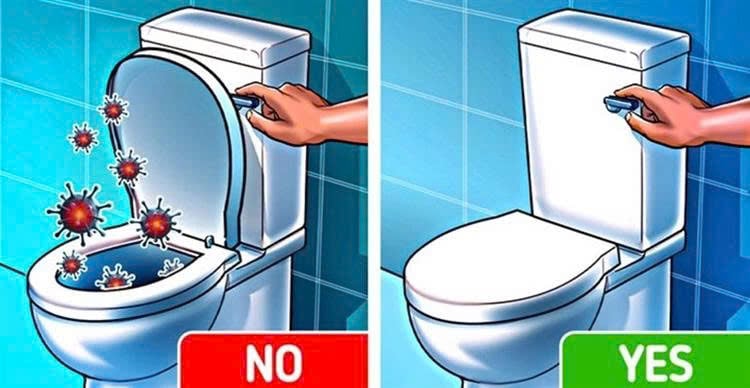
The age-old debate of whether to leave the toilet lid up or down after use may seem like a trivial matter, but it has a significant impact on the quality of the air we breathe, personal hygiene, and the health of our families.
The Ultimate Guide to Keeping Rice Fresh: A Simple Storage Solution

To keep your rice tasting delicious and fresh without resorting to chemicals or complicated equipment, these simple storage tips will ensure your rice remains in optimal condition.