








Further Reading: A Comprehensive Guide to All Popular Types of Mooncakes Available Today
The Mid-Autumn Festival is incomplete without mooncakes. It has become a cherished cultural tradition among Vietnamese people. During this festive season, families gather to share mooncakes, sip tea, and children excitedly parade with lanterns throughout the neighborhood. This imagery is deeply etched in the memories of many.
Beyond the traditional baked mooncakes of Vietnam, mooncakes are now influenced by various cultures. Imported foreign mooncakes have captivated Vietnamese consumers, with the Taiwanese thousand-layer mooncake being a notable addition.
This particular mooncake has recently won the hearts of many food enthusiasts. Let’s explore what makes it so special.
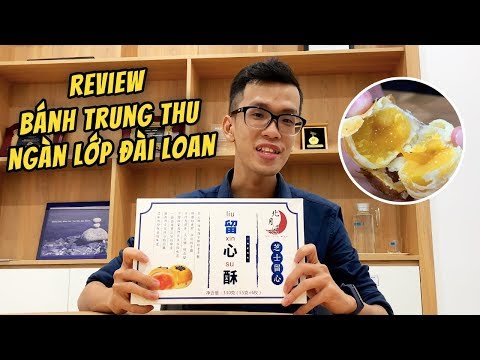
Watch the quick review in the video below
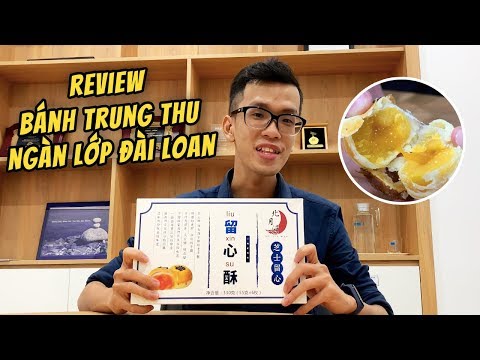
1 Unboxing the Taiwanese Mooncake
Instead of purchasing it directly in Vietnam, I asked a friend traveling in China to bring it back for me. The price in China converts to approximately 160,000 VND per box.
In Vietnam, it’s cheaper, with some places selling it for just 70,000 VND. I’m unsure how they import it at such a low cost, so I wasn’t entirely comfortable and asked my friend to help.
The box design is quite simple and elegant, with all the text in Chinese. However, I could still gather some basic information from the packaging.
Further Reading: How to Make Taiwanese Thousand-Layer Mooncake with Salted Egg Yolk
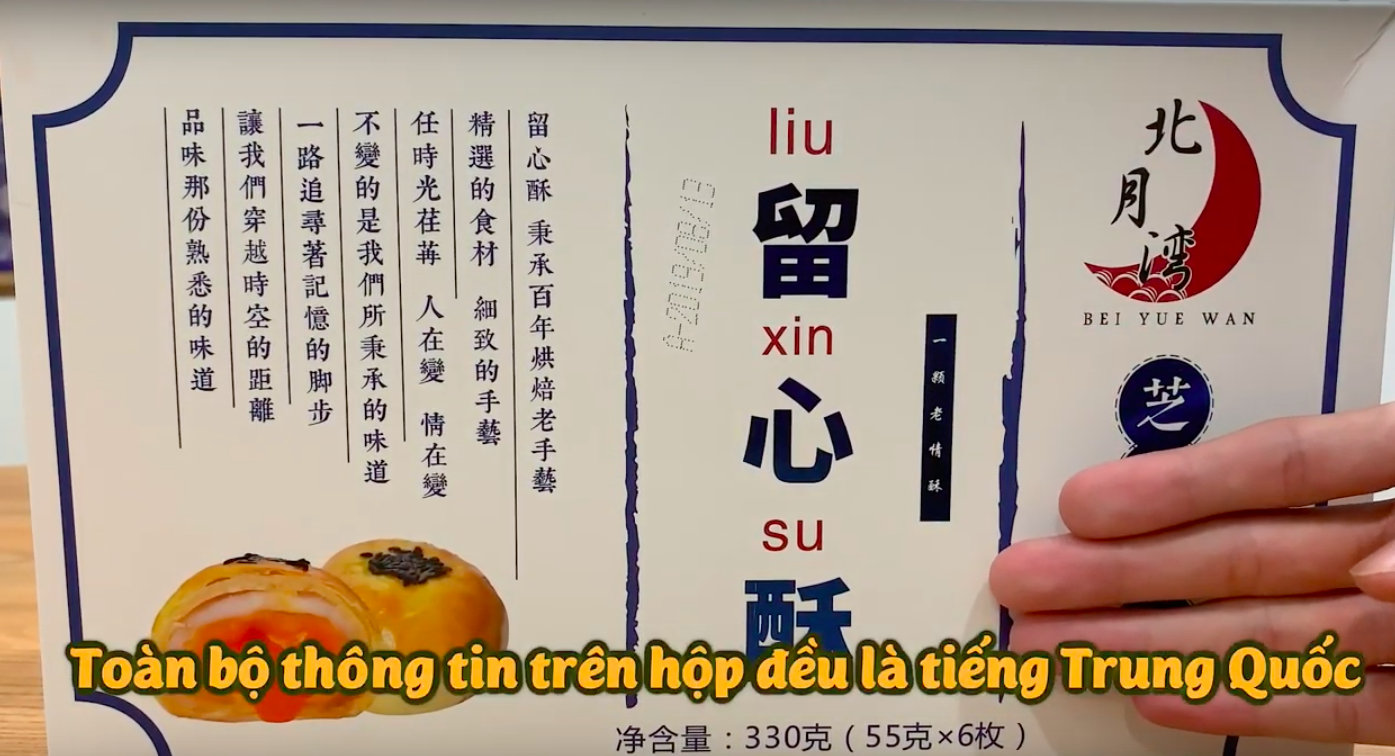
The box contains six mooncakes, each weighing 55g, which seems quite small. Let’s open it and see.
The back of the box provides details about the ingredients, nutritional value, and the place of production.
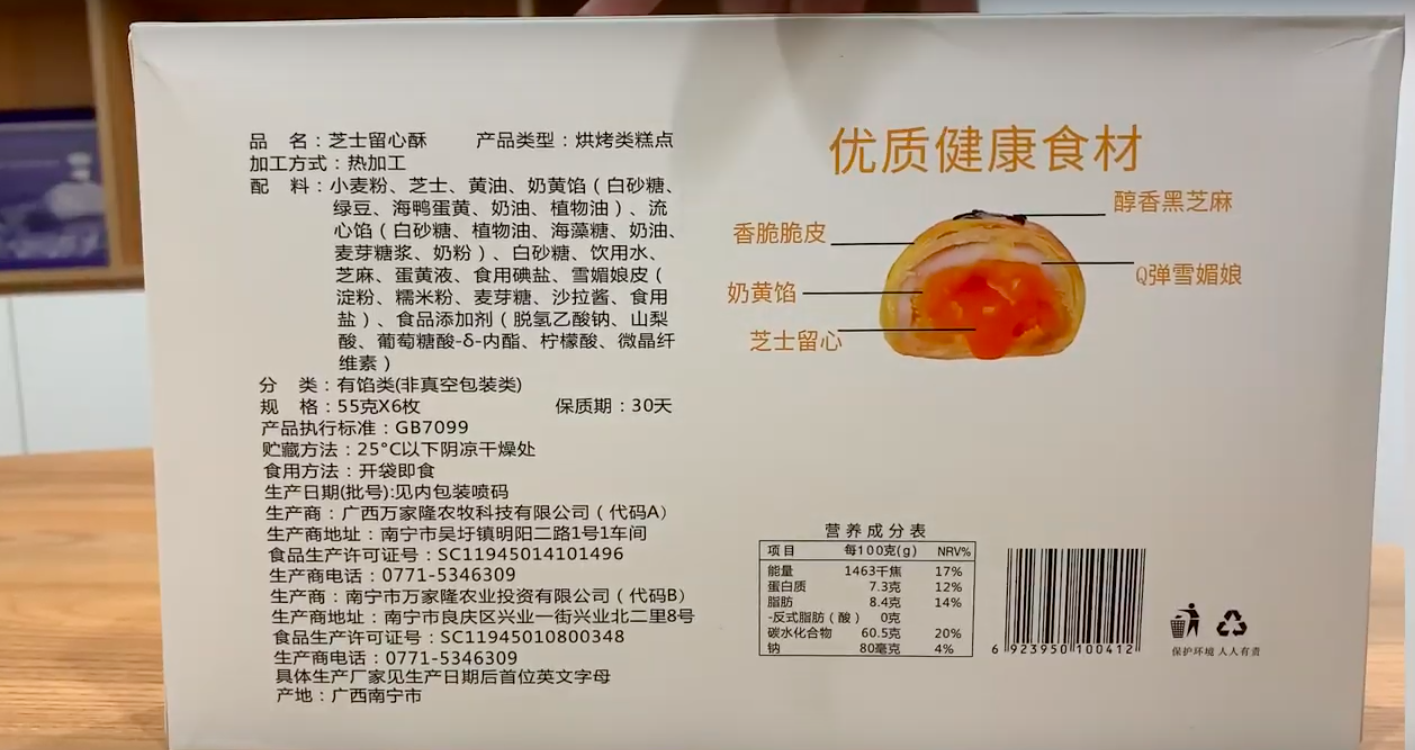
Interestingly, despite being called a Taiwanese mooncake, it is actually produced in Nanning, China, not Taiwan.
2 Opening and Tasting
Opening the box is straightforward, with a groove on the top for easy access.
The packaging of the mooncake is visually appealing—simple yet sophisticated.

However, the mooncake itself is indeed small, as expected. I doubt six of these will be enough for me.
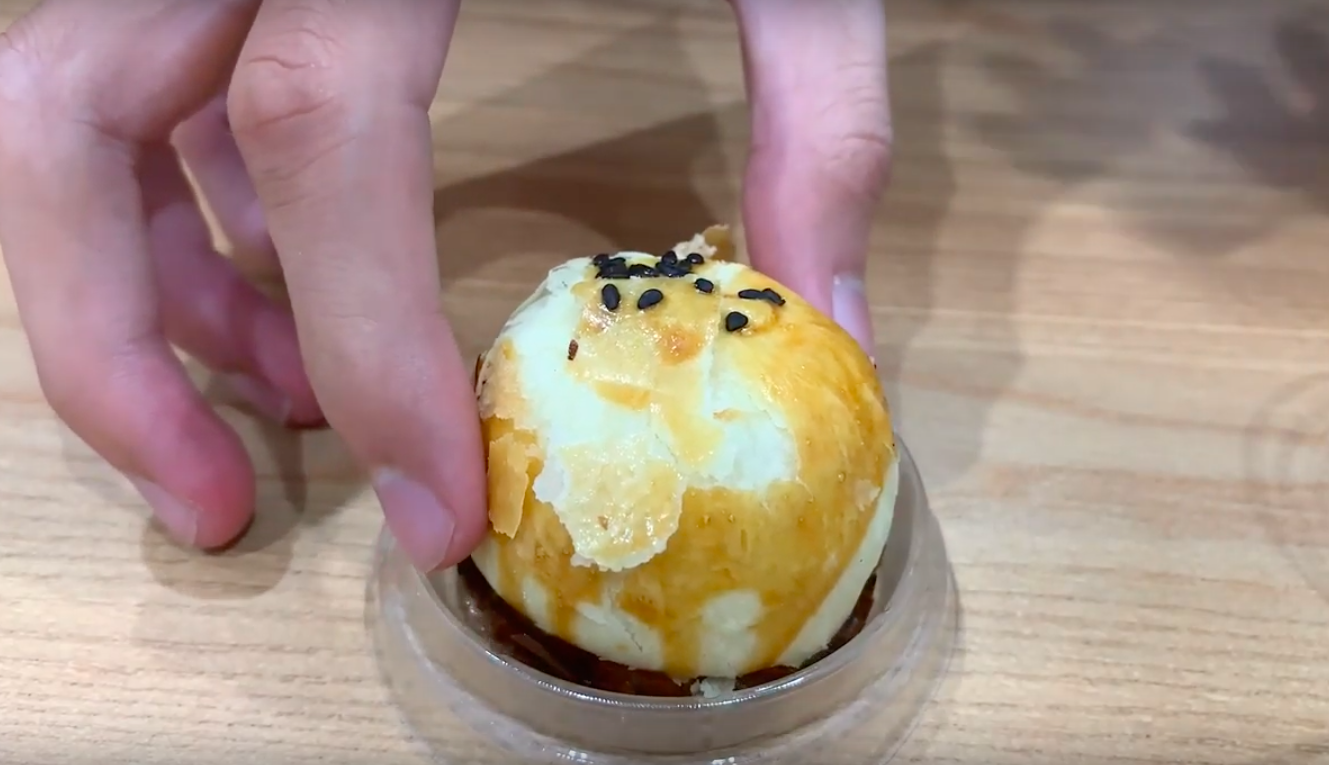
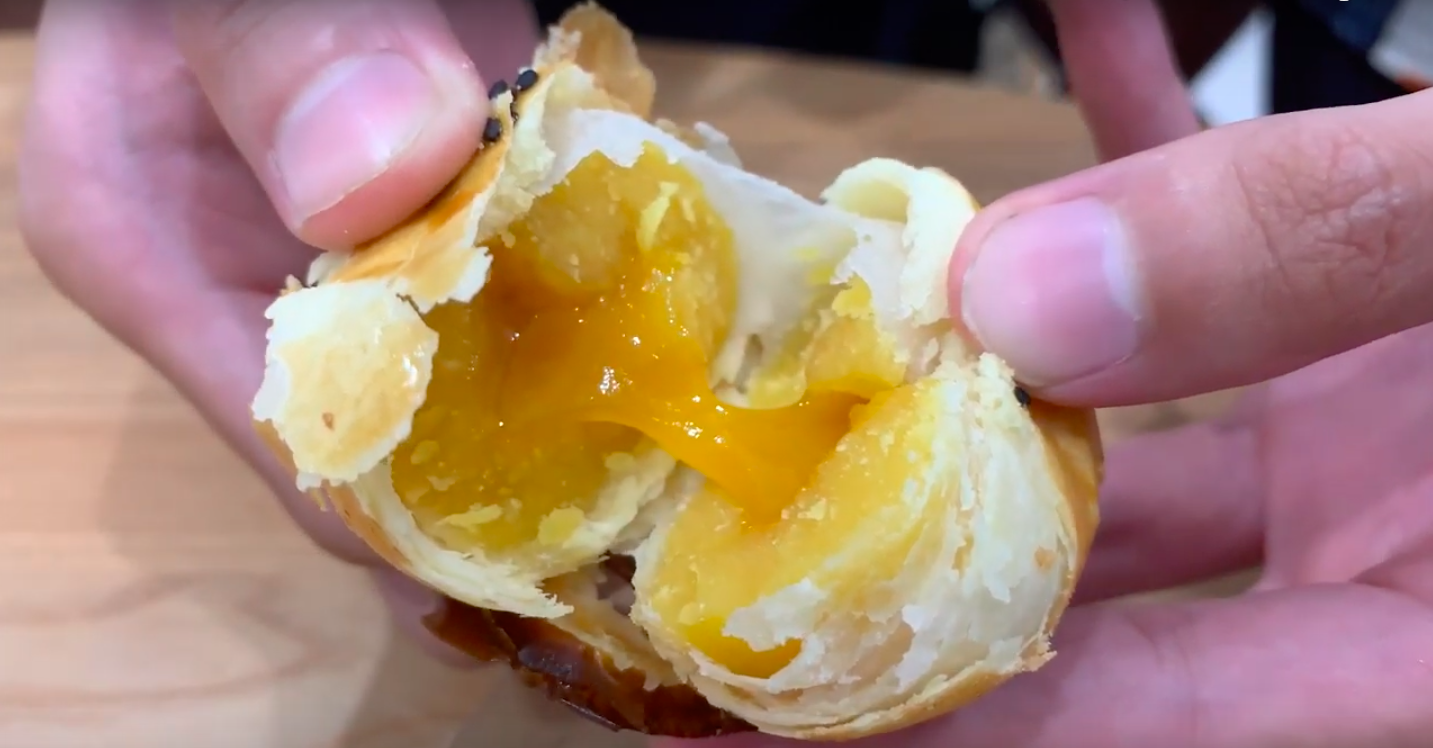
Upon tasting, the experience is unique. The crispy outer layer gives way to a chewy mochi texture, complemented by the slight saltiness of dried salted egg yolk and the subtle sweetness of flowing egg. The combination of flavors is harmonious and delightfully indulgent.
3 Final Thoughts on Taiwanese Thousand-Layer Mooncake
After trying one mooncake, I found it fragrant and delicious, but there were aspects I didn’t particularly enjoy.
First, it’s quite rich. Despite its small size, one mooncake was enough to satisfy me. Perhaps it’s a matter of personal preference, but for me, one was more than sufficient.
Additionally, the crust tends to flake and crumble when handled, which looks a bit untidy. Moreover, this Taiwanese mooncake didn’t evoke the traditional Mid-Autumn Festival atmosphere for me. I believe enjoying traditional mooncakes or sticky rice cakes with a cup of tea would be more fitting for the occasion.
The box itself is another drawback. It’s not very sturdy, and the Chinese text makes it less suitable for gifting. I’d prefer a traditional red box, which is more durable and embodies the spirit of the Mid-Autumn Festival.
This is my quick review of the Taiwanese mooncake that has recently gained popularity. I hope this information helps you decide whether to purchase this mooncake or not.
“Top 10 Delicious and Unique Mooncakes to Try This Mid-Autumn Festival”
As the Mid-Autumn Festival approaches, you might be wondering which mooncakes to choose. Let’s explore the top 10 delicious and uniquely flavored soft mooncakes to make your celebration unforgettable.
Top 10 Modern and Elegant Floral Mooncakes for a Meaningful Mid-Autumn Festival 2025
Discover the top 10 modern mooncakes with exquisite floral designs, elegant aesthetics, and deep symbolism, all curated by Bách Hóa XANH. These stunning creations are currently trending and perfect for celebrating the Mid-Autumn Festival in style!
10 Unique and Innovative Roasted Chicken Mooncakes Taking the Market by Storm
Have you indulged in the 10 unique and innovative roasted chicken mooncakes now available on the market? Join us to discover them right away!
Unveiling 11 Must-Try Unique and Delicious Thousand-Layer Mooncakes for Mid-Autumn Festival
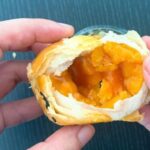
Mooncakes are an indispensable treat during the Mid-Autumn Festival. Explore our curated list of 11 unique and delicious thousand-layer mooncakes that you simply must try.
Crafting Meaningful Mid-Autumn Moments: Create Star Lanterns & Paint Traditional Masks with Skilled Artisans
Embrace the vibrant spirit of the Mid-Autumn Festival with a twist of tradition! Discover the charm of handcrafted treasures like the iconic Star Lantern and authentic folk masks, straight from the heart of Vietnam’s artisanal villages. Let’s make this celebration even more memorable together!