











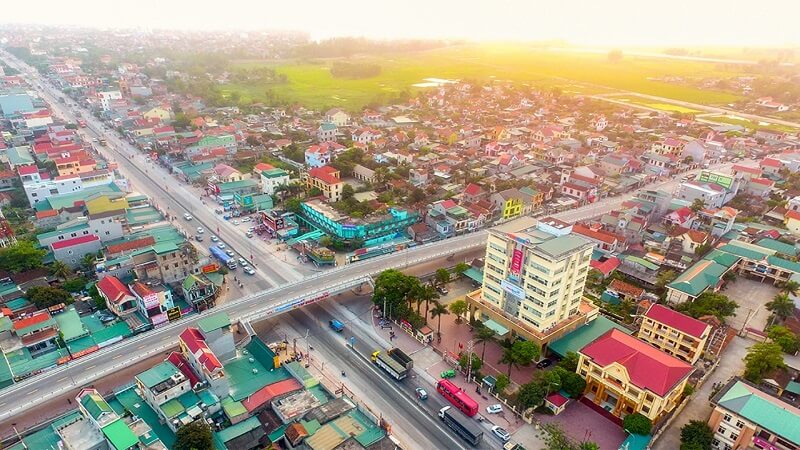
Discover the hidden gem of Quynh Luu, a captivating district nestled in Nghe An Province, Vietnam. Beyond its renowned Quynh Beach, this destination boasts a myriad of unique attractions, drawing thousands of visitors annually. Join us as we unveil the top must-visit spots in Quynh Luu!
1 Exploring Quynh Luu: A District Overview
Quynh Luu, a district in northeastern Nghe An Province, Vietnam, is home to the administrative center of Cau Giat town, approximately 60 km from Vinh City. It shares borders with Hoang Mai town, Nghia Dan, Tan Ky, Thai Hoa, Yen Thanh, Dien Chau, Nghi Son, and Nhu Thanh districts.
Spanning 445.1 km², Quynh Luu had a population of 276,259 in 2019, with a density of 621 people/km². It’s the most populous district in Nghe An after Vinh City. Approximately 26% of the population practices Catholicism.
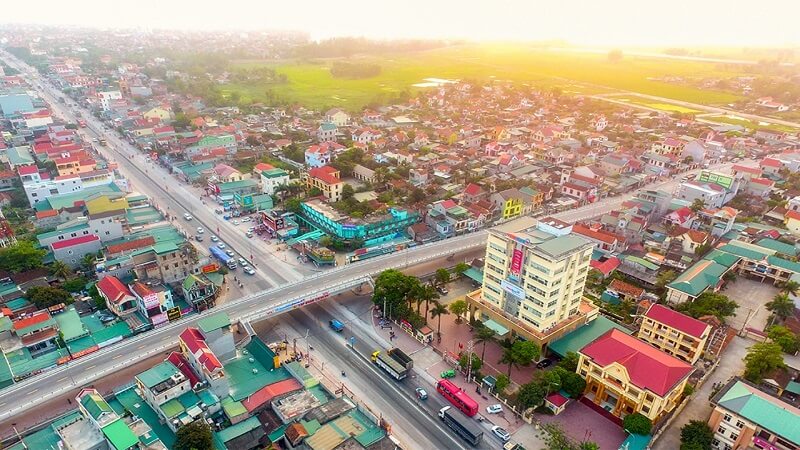 Quynh Luu, a district in northeastern Nghe An Province, Vietnam
Located in a tropical coastal zone, Quynh Luu experiences three main wind patterns: northeast monsoon, southwest monsoon, and southeast monsoon. The climate is divided into two distinct seasons: a hot season from May to October with average temperatures of 30°C, occasionally reaching 40°C, and a cooler season from November to April, characterized by northeast monsoons and prolonged rainfall.
Quynh Luu, a historic region with ancient settlements, features numerous renowned tourist attractions and diverse cultural sites. Its natural beauty and captivating destinations make it an ideal spot for travelers eager to explore Nghe An’s unique cultural heritage. Don’t miss out on Quynh Luu when visiting Nghe An!
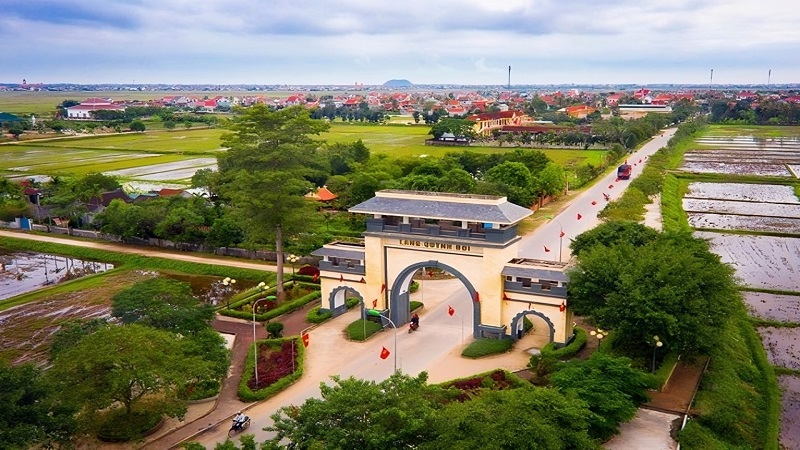 Exploring Quynh Luu: A District Overview
2 Top 4 Must-Visit Destinations in Quynh Luu
Quynh Beach
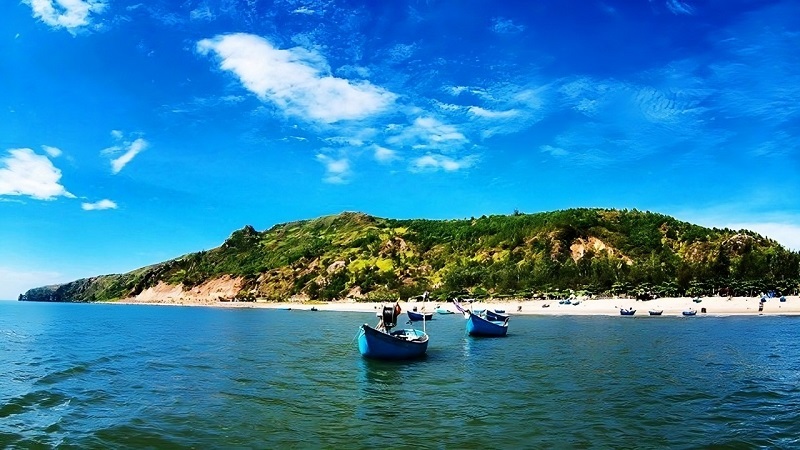 Quynh Beach
Rating: 4.3/5 (Google Reviews)
Location: Quynh Nghia, Quynh Luu, Nghe An
Price: To be updated
Opening Hours: All day (Peak hours: 4 PM – 5 PM)
Phone: 02383648648
Facebook: To be updated
Pros: Refreshing atmosphere, stunning views.
Cons: None
Quynh Beach, a renowned seaside destination in Nghe An, Vietnam, captivates visitors with its pristine beauty, fresh air, and exciting activities.
Comprising seven contiguous beaches—Quynh Phuong, Quynh Lien (in Hoang Mai), Quynh Bang, Quynh Luong, Quynh Minh, Quynh Nghia, and Tien Thuy—each offers a unique experience with breathtaking scenery and tranquility.
One of Quynh Beach’s highlights is its untouched bathing areas, featuring white sand and crystal-clear waters. Sunrise and sunset here create romantic, picturesque scenes, perfect for photography and nature immersion.
Beyond swimming and strolling on the white sand, visitors can explore the unique cave systems at Quynh Beach. Dragon Eye Cave, a notable attraction, features two dragon-eye-like entrances. Inside, stunning stalactites and natural rock formations create a mystical atmosphere.
Quynh Beach in Nghe An offers more than natural beauty; it’s a hub for diverse activities. Visitors can enjoy water sports like surfing, wave riding, kayaking, or simply relax in the clear waters.
The beach also boasts well-developed tourism infrastructure. Resorts, hotels, restaurants, and cafes along the shore provide quality services and amenities for visitors.
With its unique attractions and tourism potential, Quynh Beach is becoming a popular destination, attracting both domestic and international visitors.
Ho Hung Dat Temple
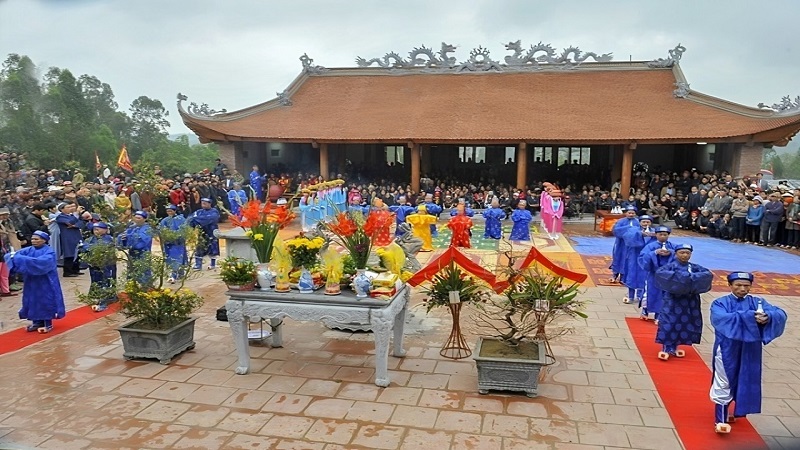 Ho Hung Dat Temple
Rating: 5.0/5 (Google Reviews)
Location: Ngoc Son, Quynh Luu, Nghe An
Price: To be updated
Opening Hours: All day
Phone: To be updated
Facebook: To be updated
Pros: Serene atmosphere, beautiful scenery.
Cons: None
Ho Hung Dat Temple, a significant historical site in Vietnam, was recognized as a National Historical Relic in 2014. It honors Ho Hung Dat, the Ancestor of the Vietnamese Ho Clan, along with Ho Dynasty kings and ancestors.
In 1403, King Ho Han Thu, under Emperor Ho Quy Ly’s decree, constructed the temple in Bao Dot village (now Ngoc Son commune, Quynh Luu) to worship Ho Hung Dat, the clan’s ancestor. Ho Hung Dat, a Han Dynasty scholar from Zhejiang, served as the Chief of Dien Prefecture and is revered for his contributions to the region. After retiring, he settled in Bao Dot, embodying the principle of “Serving the People.” Following his death, locals deified him as the Village Patron Saint and enshrined Ho Dynasty kings, naming it Ho Kings Temple.
Perched on the Y Sao mountain range, the temple offers a panoramic view. To the right lies Dragon Rock, to the left, Snake Rock, and Ngoc Mountain. Over time, the temple fell into ruin but was restored by descendants of the Ho Clan, preserving their ancestral heritage.
Ho Hung Dat Temple is a cultural and historical gem, attracting visitors interested in the origins and traditions of the Vietnamese Ho Clan. It offers insights into Ho Hung Dat’s life, the Ho Dynasty, and their legacy.
The temple’s strategic location creates a serene and sacred ambiance. Traditional architecture, including the ceremonial gate, courtyard, main hall, and smaller shrines, showcases Vietnam’s cultural heritage. Visitors can explore these structures, marveling at intricate carvings and decorations.
Beyond its architecture, the temple offers a glimpse into local religious practices. Annual ceremonies, especially during the Lunar New Year and Mid-Autumn Festival, draw crowds, providing a vibrant cultural experience.
Ho Clan Ancestral House
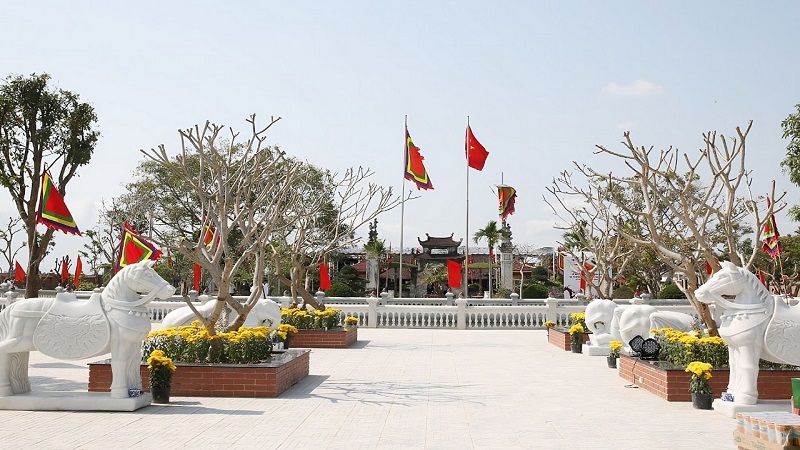 Ho Clan Ancestral House
Rating: 4.7/5 (Google Reviews)
Location: Quynh Doi, Quynh Luu, Nghe An
Price: To be updated
Opening Hours: To be updated
Phone: To be updated
Facebook: To be updated
Pros: Refreshing atmosphere, beautiful and peaceful scenery.
Cons: None
The Ho Clan Ancestral House, located in Quynh Doi commune, Quynh Luu, Nghe An, covers 6,200 m². It honors Ho Kha and his descendants, who contributed to Vietnam’s independence and security during two resistance wars.
Ho Kha, born in the early 14th century, settled in Quy Trach (now Tho Thanh, Yen Thanh). As the 13th descendant of Ho Hung Dat, he later moved to Tien Sinh in Khe Duong (now Nghia Thuan, Nghia My, Nghia Trung, Nam Dan, Thai Hoa).
In 1314, he explored the fertile lands of Eastern Hoan Hau, sensing the area’s auspicious energy at Doi Than Hill. He proclaimed, “Dragon veins lead, waters flow,” believing the land would inspire future generations in academics and careers.
After development, he entrusted the land to his son, Ho Hong, for further cultivation. Ho Kha was revered as the Village Patron Saint, known as “Ho Khai Co.”
The Ho Clan Ancestral House is a vital site for understanding the Ho Clan’s history and traditions. It’s not just a religious site but a cultural symbol of the Ho Clan, showcasing Nghe An’s architectural heritage.
The house’s spacious grounds create a peaceful, sacred atmosphere. Visitors can admire the traditional architecture, with intricate carvings and elegant interiors, reflecting the clan’s reverence for their ancestors.
Beyond worship, the house hosts cultural and religious events. Traditional festivals and ceremonies attract many, offering a lively cultural experience.
The Ho Clan Ancestral House also strengthens family bonds. It’s a gathering place for clan members to share joys, sorrows, and gratitude for their ancestors, fostering unity and tradition.
Con Temple
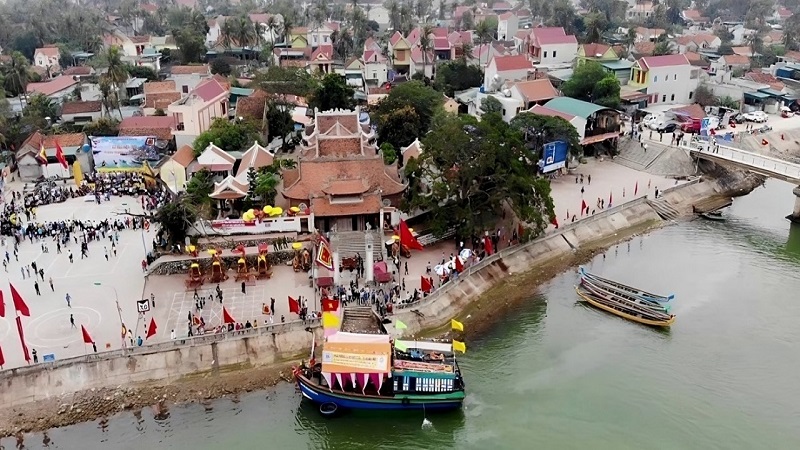 Con Temple
Rating: 4.6/5 (Google Reviews)
Location: Quynh Phuong, Quynh Luu, Nghe An
Price: To be updated
Opening Hours: To be updated
Phone: To be updated
Facebook: To be updated
Pros: Serene and majestic atmosphere
Cons: None
Con Temple, or Mau Con Temple, is a revered site in Quynh Luu, recognized as a National Historical and Cultural Relic in 1993.
Built during the Tran Dynasty, it honors the Four Holy Virgins: Queen Mother Duong Nguyet Qua, her nurse, and two princesses, Trieu Nguyet Khieu and Trieu Nguyet Huong. Strategically located with mountains behind and the sea in front, it resembles a majestic phoenix. Over time, only the Main Hall, Middle Hall, Lower Hall, Ceremonial Gate, and Performance Pavilion remain.
Visitors ascend 10 stone steps to the Ceremonial Gate, a grand structure with two tiers and eight roofs. Behind it lies the Main Hall, followed by the Middle and Lower Halls. The Performance Pavilion features three main and two auxiliary sections, adorned with various themes.
The temple houses valuable artifacts, including stone steles, bronze bells from 1752, and 28 stone statues, alongside wooden statues from the Le Dynasty. Its carvings and sculptures showcase ancient artistry.
Con Temple attracts history and architecture enthusiasts, offering a glimpse into Vietnam’s cultural heritage and a serene atmosphere for spiritual exploration.
Beyond its architecture, the temple’s surroundings offer stunning views. It hosts religious festivals, such as the Con Temple Festival on April 15th (Lunar Calendar), drawing crowds for its vibrant celebrations.
3 Quynh Luu’s Signature Delicacies
Dried Squid
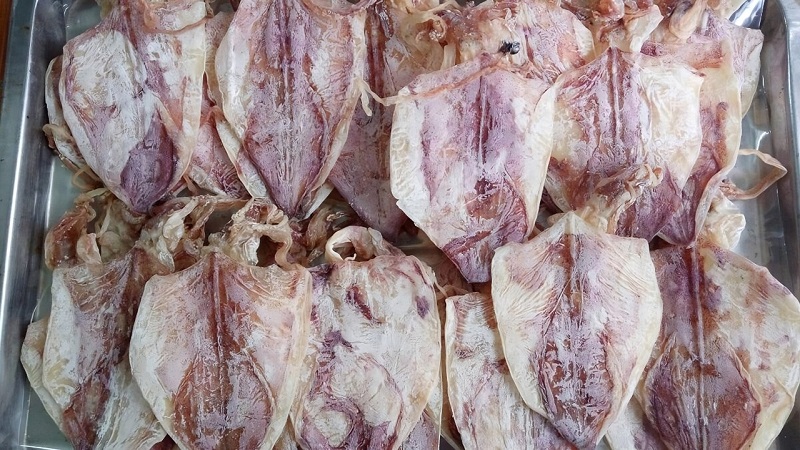 Dried Squid
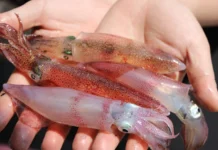
Quynh Luu’s dried squid is a renowned specialty of Central Vietnam. Its distinct flavor and high quality set it apart from other dried squid varieties.
Quynh Luu, in Nghe An Province, is famous for its seafood, especially squid. Modern fishing fleets yield approximately 4,000 tons of squid annually.
The squid is processed using local techniques, preserving its sweetness and texture—chewy yet tender, with a glossy golden skin. Available plain or marinated, both versions are delicious.
Perfect as a gift, Quynh Luu’s dried squid showcases Central Vietnam’s unique flavors.
Fish Sauce
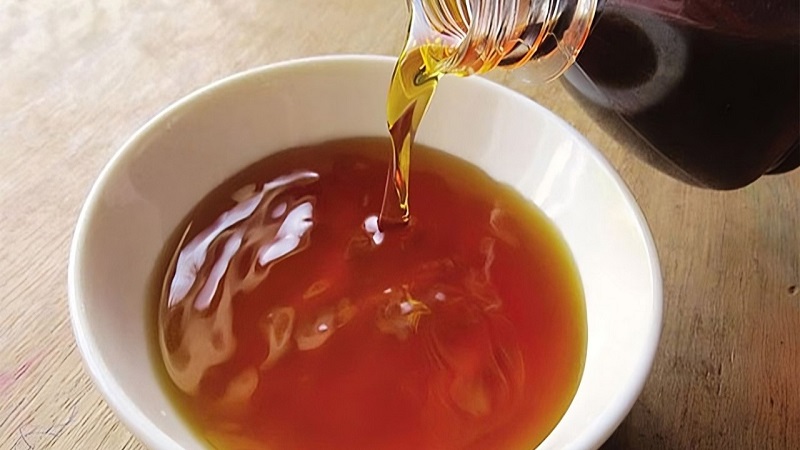 Fish Sauce
Quynh Luu’s fish sauce, known as Hai Dong fish sauce, is a celebrated specialty of Nghe An Province, crafted by local families for centuries.
Historically used as a royal tribute, Hai Dong fish sauce retains its oceanic essence after decades of production. Made from high-quality anchovies, it’s fermented in earthenware jars using traditional methods, enhanced with roasted rice and sugar for a distinctive flavor.
This unique process sets it apart from other fish sauces, making it a prized condiment.
Rock Crab
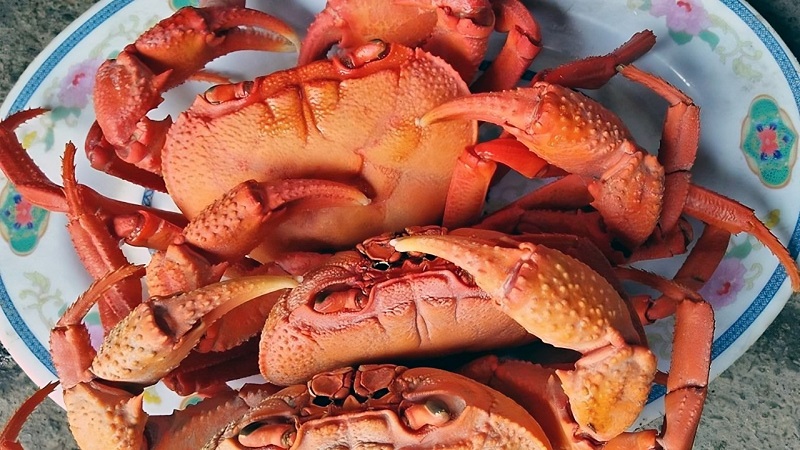 Rock Crab
Quynh Luu’s rock crab is a unique delicacy, inhabiting coastal rock crevices and emerging only at night, making it challenging to catch.
With a distinctive purple shell, these crabs weigh 100-200g and have a rich, flavorful taste. Their firm meat and abundant roe create a luxurious dining experience, ensuring every crab has roe.
This rare crab is a prized specialty, offering a unique culinary adventure.
Dung Tea
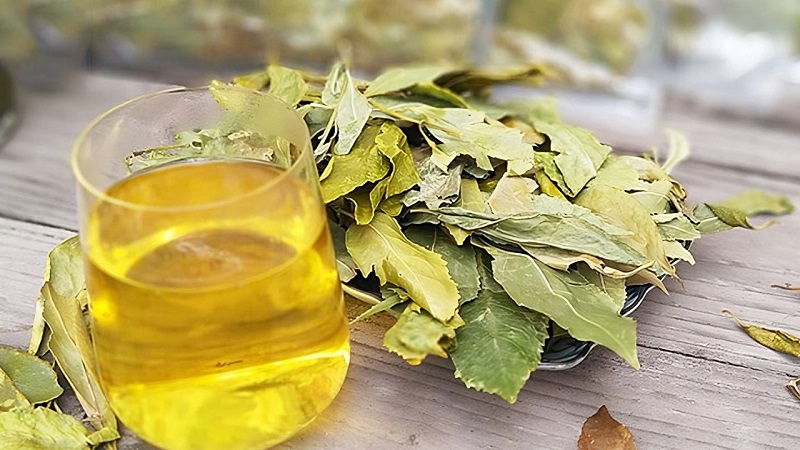 Dung Tea
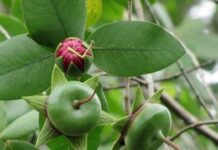
Dung Tea, a traditional specialty of Quynh Luu, Nghe An, is known for its golden color and mild sweetness, free from bitterness or astringency.
Made from wild forest leaves, Dung Tea is naturally processed without additives, ensuring a pure flavor.
Beyond its refreshing taste, Dung Tea is believed to aid digestion and soothe stomach issues, making it ideal for those with sensitive stomachs or internal heat.
We’ve shared insights on Quynh Luu’s top attractions and delicacies. Hope this guide enhances your travel plans. Thank you for reading!
Discover Lệ Thủy, Quảng Bình: Top 5 Must-Visit Attractions
Nestled in the heart of Quảng Bình Province, Lệ Thủy stands as a captivating destination that beckons travelers with its unparalleled charm. Discover the allure of this hidden gem through five must-visit attractions, each offering a unique blend of natural beauty and cultural richness. From breathtaking landscapes to iconic landmarks, Lệ Thủy promises an unforgettable journey for every adventurer.
Exploring Vietnam’s Finest Traditional Fish Sauce Varieties
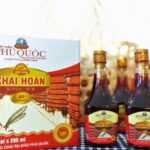
Fish sauce is a cherished traditional condiment and a source of pride in Vietnamese folk cuisine. Join us as we explore the top 10 authentic, delicious fish sauces from Vietnam.
Discover the Top 7 Must-Visit Tourist Spots in Cam Lâm, Khánh Hoà
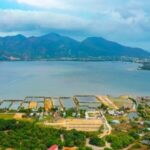
Discover the allure of Cam Lâm, a renowned tourist destination in Khánh Hòa province. Unveil the charm of its 7 most captivating and famous attractions, each offering a unique and breathtaking experience.
Discover Phú Yên: The Ultimate Travel Guide to 18 Stunning and Captivating Destinations

Discover the hidden gem of Vietnam: Phú Yên, a breathtaking destination brimming with natural beauty and charm. Explore our ultimate travel guide featuring 18 must-visit attractions, each offering a unique and captivating experience. Unveil the secrets of this enchanting province and plan your unforgettable journey today.
5 Must-Visit Tourist Attractions in Tánh Linh, Bình Thuận

Tánh Linh stands as one of Bình Thuận Province’s most renowned tourist destinations. Discover the allure of its top 5 captivating and famous attractions, each offering a unique blend of beauty and charm.