
Brown rice has a slower digestion and glucose absorption rate, resulting in a significantly lower glycemic index compared to white rice. This helps reduce insulin resistance. Additionally, brown rice contains natural compounds, antioxidants, fiber, carotenoids, and phytosterols, which contribute to lowering blood cholesterol and preventing cardiovascular diseases.
These components in brown rice prevent platelet aggregation, making it a valuable food for individuals with cardiovascular diseases, hypertension, atherosclerosis, diabetes, and digestive issues. The fiber in brown rice improves digestion, absorption, and gastrointestinal motility.
Consuming brown rice can prevent and treat constipation, stomach pain, and restore weakened immune function, thereby enhancing the body’s resistance to diseases.
Many cancer patients have adopted the brown rice and sesame salt diet, and after 3-7 weeks, their health conditions showed significant improvement.
1 Cooking Method
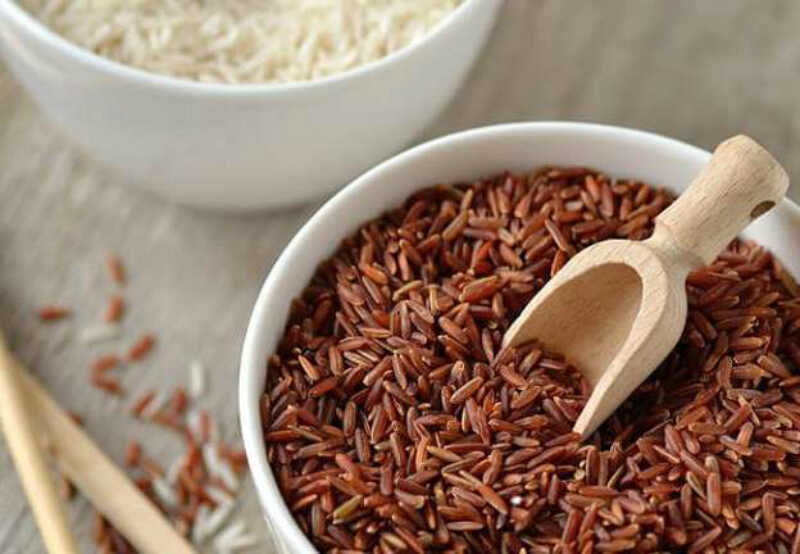 Cooking Method
Before cooking, soak brown rice in warm water for 22 hours (e.g., if cooking for 10 hours, soak the rice at 12 PM the previous day). Add 1/4 teaspoon of salt to the soaking water.
The best cooking method is steaming in a pressure cooker. Place the rice and water in a ceramic bowl, add water to the pressure cooker so it doesn’t boil into the bowl, and cook for 10 minutes after the pressure builds up. Turn off the heat for 20 minutes, then cook again for another 10 minutes. Let it sit for 30 minutes before serving. Avoid using a rice cooker, as it reduces nutritional value by 70%.
When serving, scoop the rice from top to bottom to maintain balance, avoiding scooping from the top layer first.
For detailed cooking instructions, visit: How to Cook Perfect Brown Rice in a Rice Cooker
2 The 7-Step Eating Method
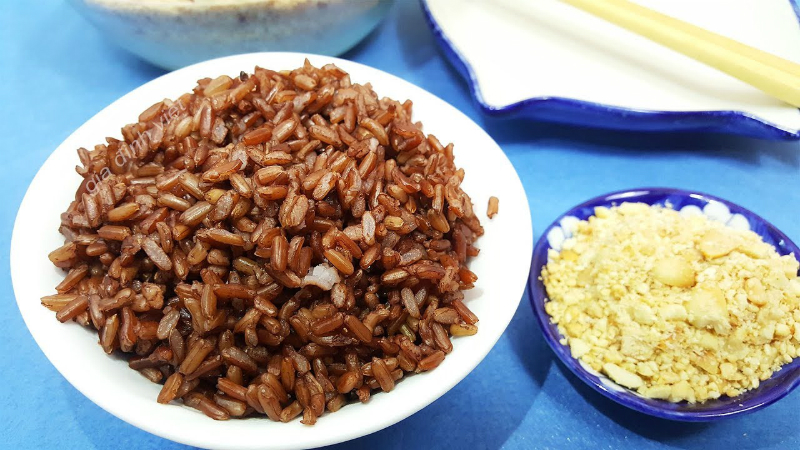
Each meal consists of 1 bowl of brown rice + 3 teaspoons of sesame salt, mixed well. Eat one teaspoon at a time, chewing until it becomes liquid and tastes sweet before swallowing (approximately 100 chews per teaspoon, taking about 1 hour per bowl). Proper chewing ensures no thirst and nearly 100% nutrient absorption, as saliva helps convert rice starch into sugar.
Eat less in the afternoon and evening compared to breakfast and lunch. If possible, skip dinner, especially for weight loss or severe illnesses.
Drink a maximum of 0.75 liters of water daily (brown rice tea or warm water at 37°C), 1 hour before and after meals. Sip water slowly, allowing it to mix with saliva before swallowing.
3 Precautions When Eating Brown Rice with Sesame Salt
During the first 3 weeks, you may experience weakness, fatigue, and dizziness. The most challenging aspect is the feeling of nausea, which can be overcome by cooking and chewing correctly. Improper cooking or swallowing without thorough chewing can lead to aversion after 3 days.
Long-term adherence to this diet is not recommended, as it may lead to nutritional imbalances and weakened immunity due to insufficient protein and fat. This can result in allergies, menstrual irregularities, anemia, and severe weakness.
While brown rice with sesame salt is beneficial, it should not be applied universally or without medical guidance. The human digestive system requires a diverse diet. Occasional consumption, a few days a week, serves as a safe detox method, enhancing the body’s resistance to diseases.
A balanced diet includes carbohydrates, proteins, fats, and vitamins. Therefore, avoid consuming only brown rice; incorporate proteins and fibers. Consult a doctor before starting this diet.
Avoiding Common Mistakes When Drinking Fresh Orange Juice

Avoid these common mistakes when drinking fresh orange juice: consuming it immediately before or after milk, drinking it in the evening, before brushing your teeth, on a full stomach, mixing it with radish, or if you have a stomach ulcer.
TH True Milk Hilo: Calcium-Rich, Low-Fat, Lactose-Free Now Available in Vietnam

{“error_type”:”NO_VALID_RESPONSE_GENERATED”,”id”:”c535a091-e0fa-4659-9009-7daa4fa9899e”,”message”:”No valid response generated. Try updating messages”}
10+ Buzz Cut Styles That Exude Masculinity and Strength

Unleash your inner alpha with our curated selection of 10+ Buzz Cut styles, designed to embody raw masculinity and strength. Discover the subtle yet distinct differences between the Buzz Cut and Crew Cut, ensuring you make a statement that’s undeniably you.
Top 10 Must-Watch Action Anime with Uniquely Captivating Storylines

Discover the ultimate thrill with our curated list of the Top 10 Action Anime Films that have captivated audiences worldwide. From heart-pounding battles to unforgettable characters, these Japanese masterpieces are a must-watch for every anime enthusiast. Dive in and explore the best of the best with us!
“Top 10 Delicious Bun Rieu Spots in District 7 That Will Satisfy You Instantly”

Discover the ultimate guide to the top 10 bún riêu spots in District 7, where delicious, nutritious, and affordable meals await. Don’t miss out on these hidden gems—your taste buds will thank you!