
















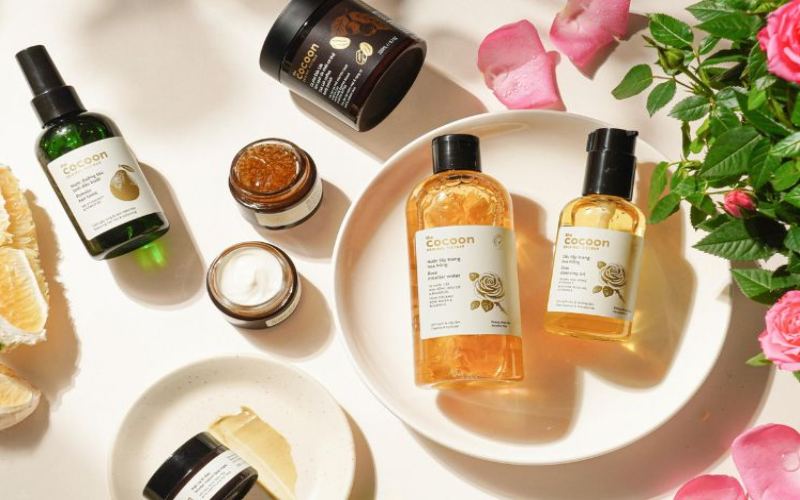
Cruelty-free cosmetics are taking the beauty industry by storm, offering a compassionate approach to skincare and makeup. But what does cruelty-free truly mean, and which brands are leading this ethical movement? Let’s dive in and explore!
1 What Are Cruelty-Free Cosmetics?
Understanding Cruelty-Free Beauty
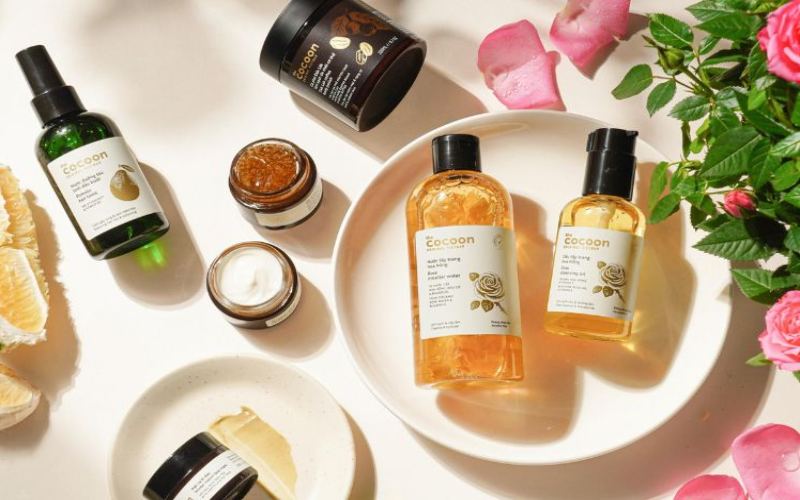 What are cruelty-free cosmetics?
Cruelty-free products are those that have not been tested on animals at any stage of development. Historically, animals were used to test cosmetics, drugs, and food additives—a practice now widely criticized for its ethical shortcomings.
Today, advanced alternatives have rendered animal testing obsolete in many developed countries, including the U.S. and Japan. The cruelty-free movement is gaining global recognition as a hallmark of ethical beauty.
Cruelty-Free Standards
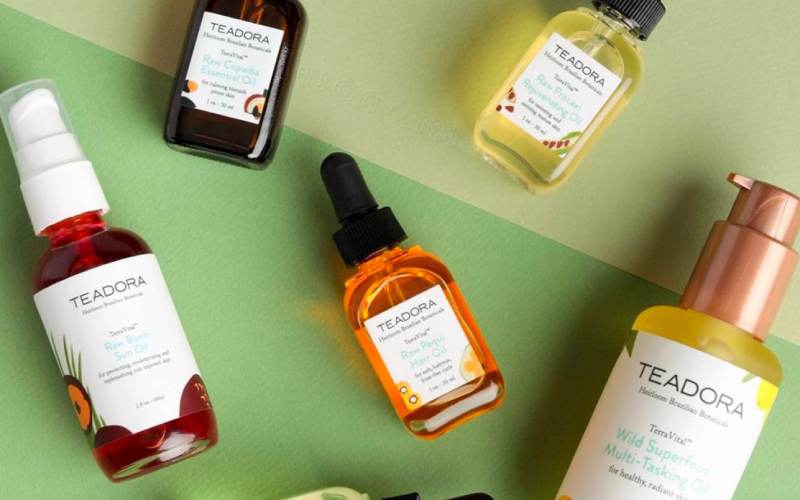 Cruelty-free standards explained
Four key organizations set the bar for cruelty-free certification, each with unique requirements but a shared goal: eliminating animal testing.
-
PETA: Requires brands to pledge against animal testing for all ingredients and formulations.
-
Leaping Bunny: Ensures no animal testing at any production stage, including supplier ingredients.
-
Choose Cruelty Free: An Australian standard similar to Leaping Bunny but with stricter criteria.
To earn cruelty-free status (PETA criteria):
-
Final products must not be tested on animals.
-
Ingredients must not be animal-tested.
-
No third-party animal testing under the company’s name.
-
Companies must refuse animal testing, even when legally mandated.
2 Vegan vs. Cruelty-Free: What’s the Difference?
 Vegan vs. cruelty-free cosmetics
While both terms promote ethical beauty, they differ significantly:
Vegan Cosmetics: Contain no animal-derived ingredients, including:
- Direct animal products (honey, milk, eggs, etc.).
- Animal-derived components (gelatin, collagen, etc.).
Cruelty-Free Cosmetics: Are not tested on animals but may contain animal-derived ingredients.
In summary, vegan products avoid animal ingredients, while cruelty-free products avoid animal testing. Many brands offer both, but always check labels for clarity.
3 Are Cruelty-Free Cosmetics Safe?
 Safety of cruelty-free cosmetics
Absolutely. Many brands use proven, natural ingredients that don’t require animal testing. Advanced methods like lab-grown skin cells, AI data, and expert consultations ensure product safety without animal involvement.
4 Top Cruelty-Free Beauty Brands
COCOON
 COCOON
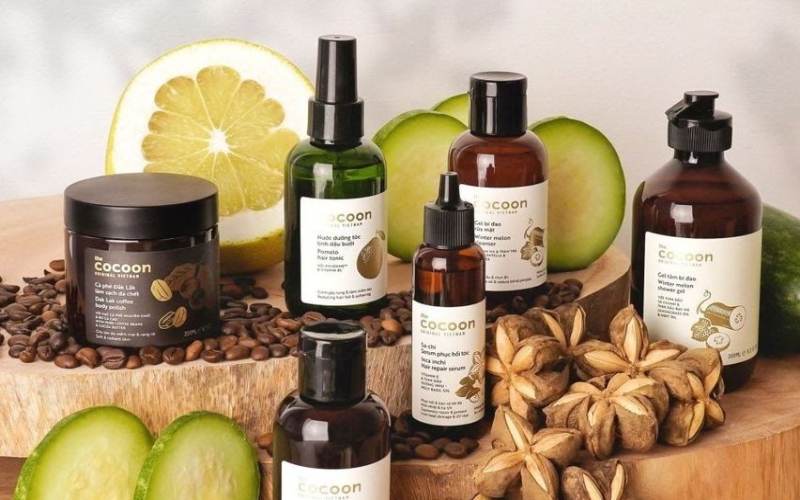
COCOON, Vietnam’s pride, is Leaping Bunny-certified and PETA-approved for vegan, cruelty-free practices. Using plant-based ingredients, COCOON champions eco-friendly beauty without animal-derived components.
COCOON’s Promises:
-
100% traceable, skin-safe ingredients.
-
Fully vegan formulations.
-
Zero animal testing.
The Body Shop
 The Body Shop
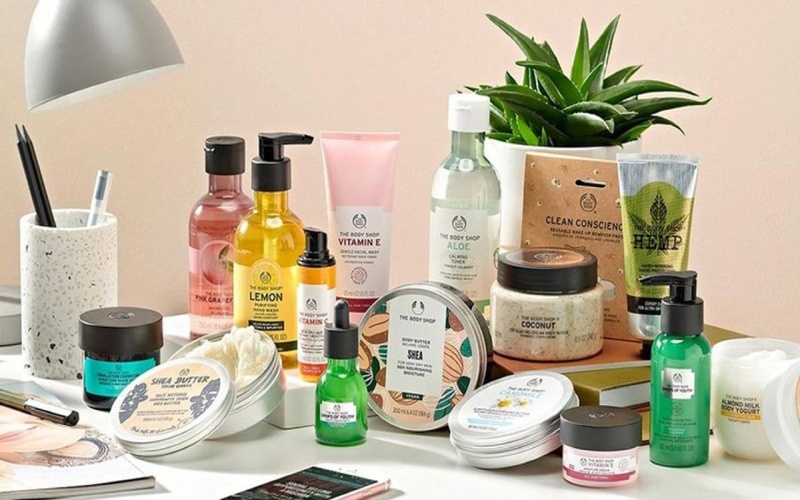
The Body Shop, a UK icon, blends nature-inspired beauty with ethical practices. Since 1989, they’ve campaigned against animal testing, earning a Lifetime Achievement Award from the RSPCA in 2009.
Sukin
 Sukin
Sukin
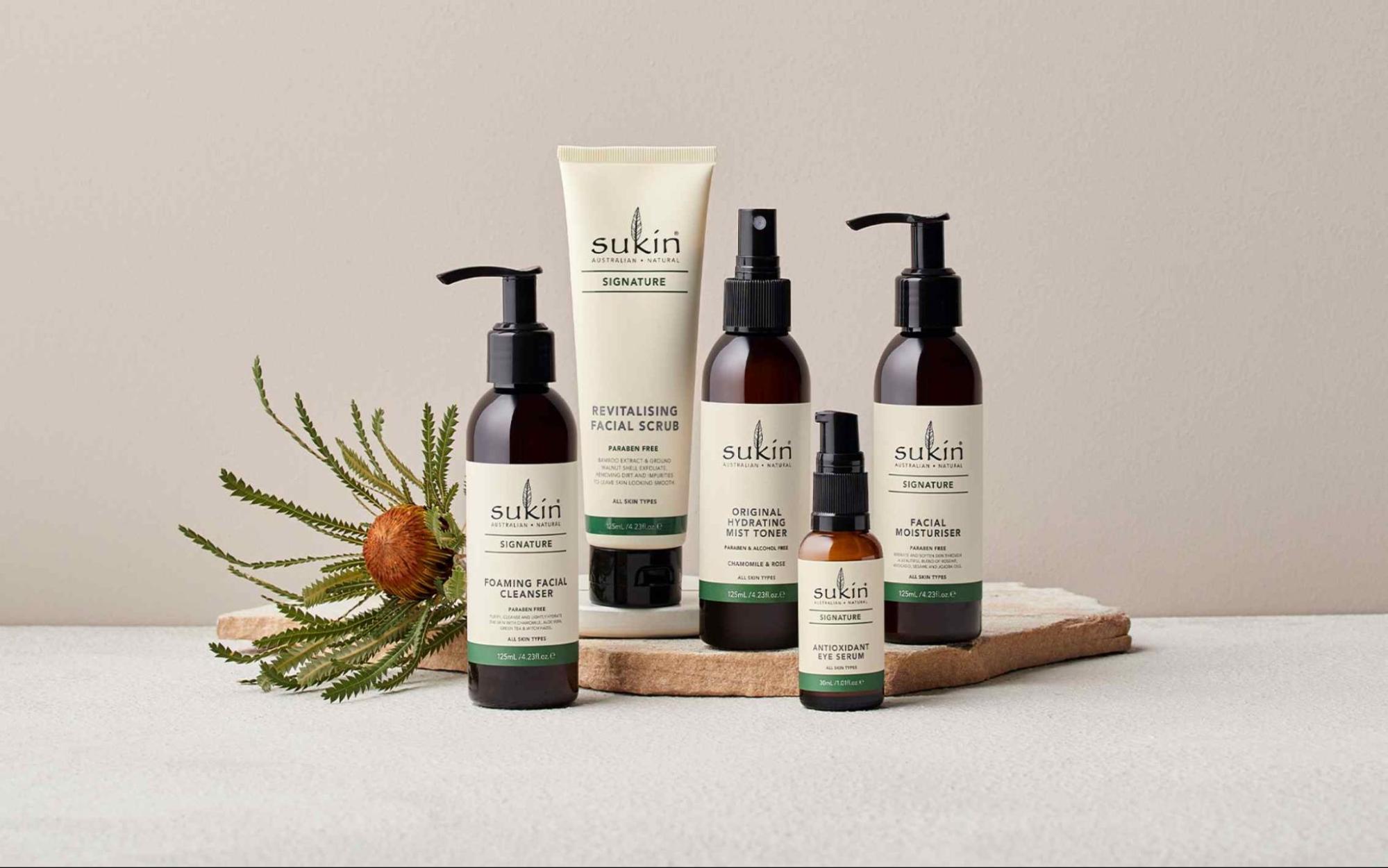
Sukin, Australia’s skincare gem, is 100% locally made and cruelty-free since inception. Their commitment to ethical beauty reflects Australia’s wildlife conservation spirit.
Paula’s Choice
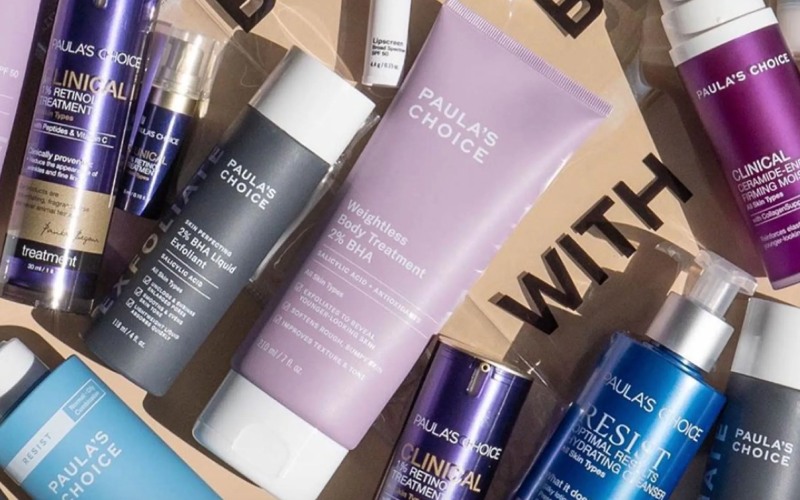 Paula’s Choice
A Leaping Bunny member, Paula’s Choice openly advocates for animal welfare, even allowing pets in their offices. Their products are developed without animal testing.
Klairs
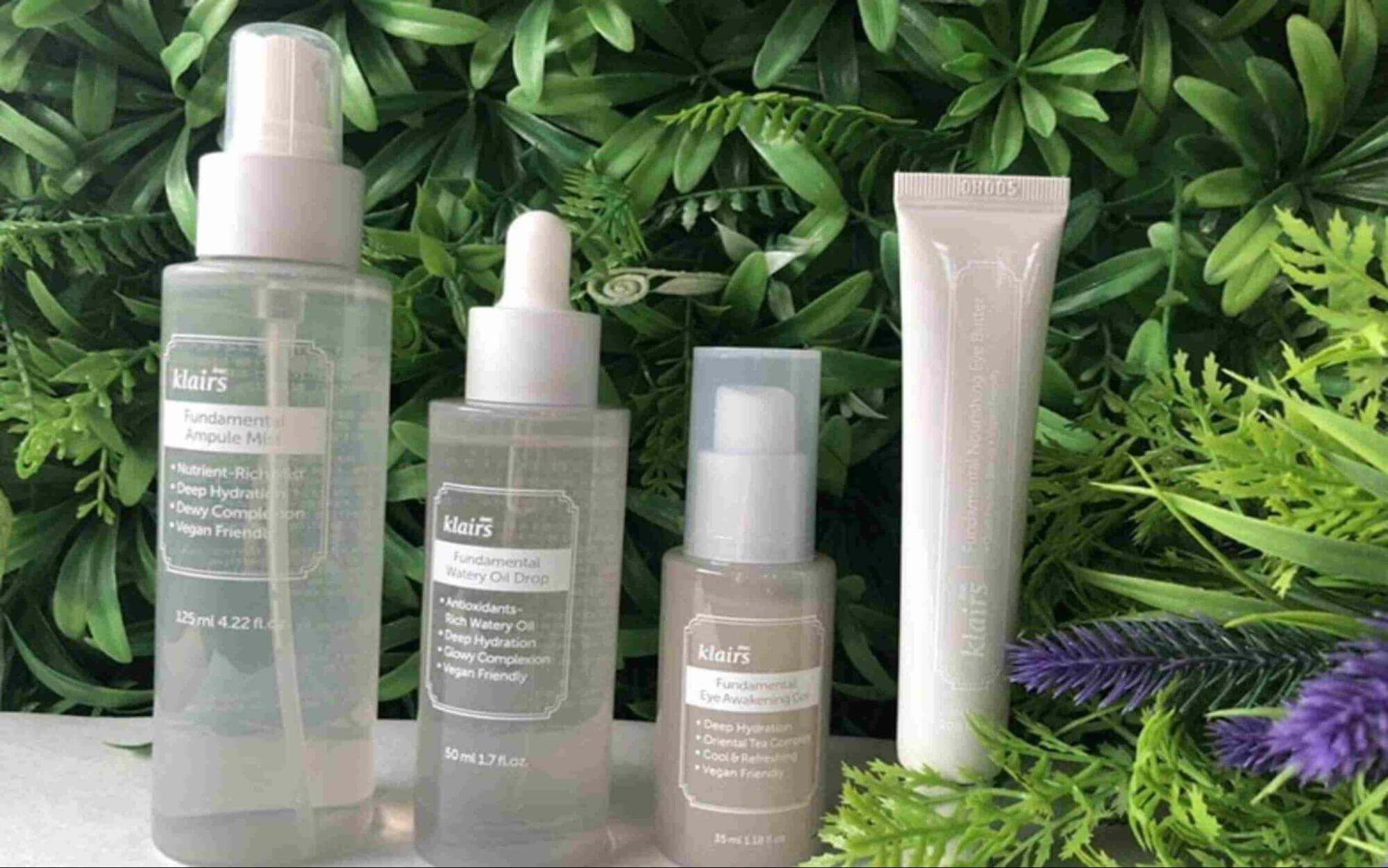 Klairs
Klairs, a Korean brand, offers vegan-friendly, toxin-free skincare. Certified by KARA, they’re phasing out honey—their only animal-derived ingredient—for fully vegan alternatives.
We hope this guide empowers your cruelty-free beauty journey. Choose compassion, choose ethics, and shine responsibly!
“The Secret to Singer Ho Quynh Huong’s Flawless Skin: How She Reversed the Damage of Using Mixed Cream”

“Fortuitously, Ho Quynh Huong stumbled upon a natural healing method through food.”