























Can Drinking More Water Really Make You Look Younger?
Recently, a post on Threads about the secret of “drinking water for youthful skin” sparked a heated debate. The author revisited a story that once caused a stir on the Daily Mail in 2013: a 42-year-old British woman appeared a decade younger after just four weeks of drinking 3 liters of water daily.
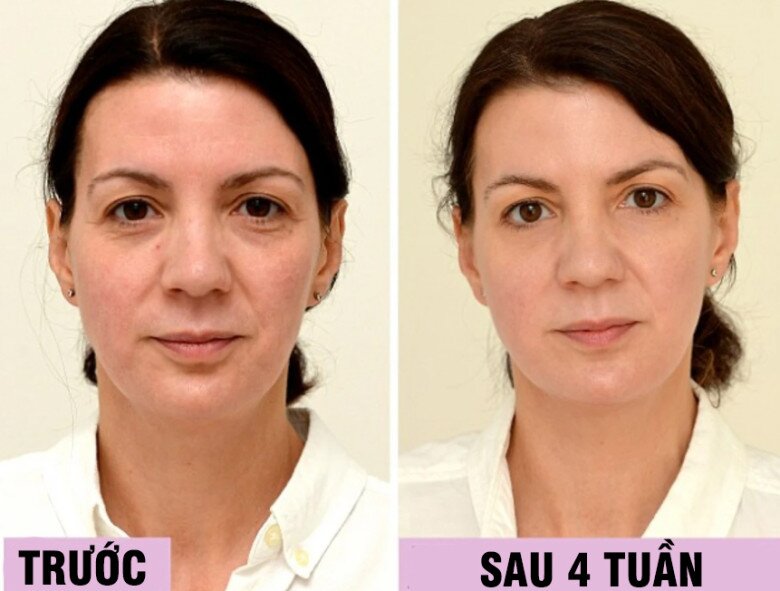
The woman added 3 liters of water daily, and after 4 weeks, her skin showed significant improvement.
The protagonist is Sarah Smith, a 42-year-old British woman who suffered from chronic migraines and indigestion. When advised by her doctor and nutritionist to increase her water intake to about 3 liters per day, she turned this advice into a serious experiment. Over 28 days, Sarah took weekly photos to track changes in her face and skin—the results were astonishing.
Week 1: Dull, Dry, and Lifeless Skin
Before starting the experiment, Sarah drank only about 1 liter of water per day. Dehydration left her lips chapped, skin dry, dull, and flushed. Fine lines were visible, dark circles under her eyes were pronounced, making her look a decade older than her actual age.
Week 2: Radiant Complexion
As she increased her daily water intake, Sarah quickly noticed a difference. Her skin became more even-toned, and dullness significantly reduced. Notably, her skin gained a clear, smooth texture, making her face look fresher.
Week 3: Faded Dark Circles, Improved Fine Lines
By the third week, signs of rejuvenation were evident. Dark circles under her eyes diminished, fine lines around her eyes softened, and her skin became plumper and more elastic. Sarah’s face now radiated vitality and energy.
Week 4: “A Decade Younger”
After 28 days, the results surprised even Sarah: dark circles nearly vanished, her skin was bright and fresh, and her face looked a decade younger.
Beyond her appearance, Sarah noted improvements in her health. Her migraines lessened, digestion improved, joint stiffness reduced significantly. She also lost 1 kg and trimmed 2.54 cm from her waist.
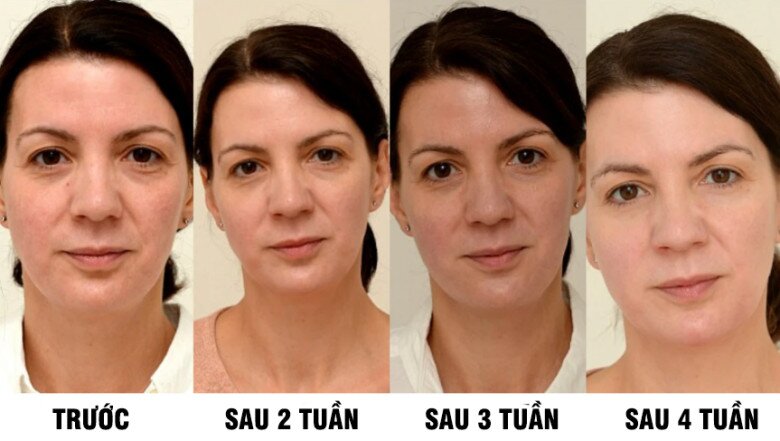
The woman’s transformation week by week.
8 Amazing Benefits of Drinking Water – Not Just for Beauty, But for Health Too
As Sarah’s story demonstrates, maintaining a daily water intake not only brightens the skin but also offers numerous health benefits:
Aids Digestion, Relieves Constipation: Water acts as a lubricant for the intestines, promoting bowel movements, softening stool, and easing defecation.
Enhances Brain Function, Improves Focus: About 90% of blood is water. Adequate hydration ensures the brain receives enough oxygen, boosting memory, focus, and mood stability.
Protects Cardiovascular Health, Reduces Blood Clot Risk: Water maintains blood fluidity, preventing thickening and reducing hypertension and cardiovascular disease risks.
Supports Metabolism, Aids Weight Loss: Drinking water stimulates metabolism, eliminates toxins through sweat and urine, and creates a feeling of fullness, naturally curbing cravings.
Hydrates, Fights Skin Aging: Water provides essential moisture for skin cell recovery, keeping skin soft, smooth, elastic, and reducing wrinkle formation.
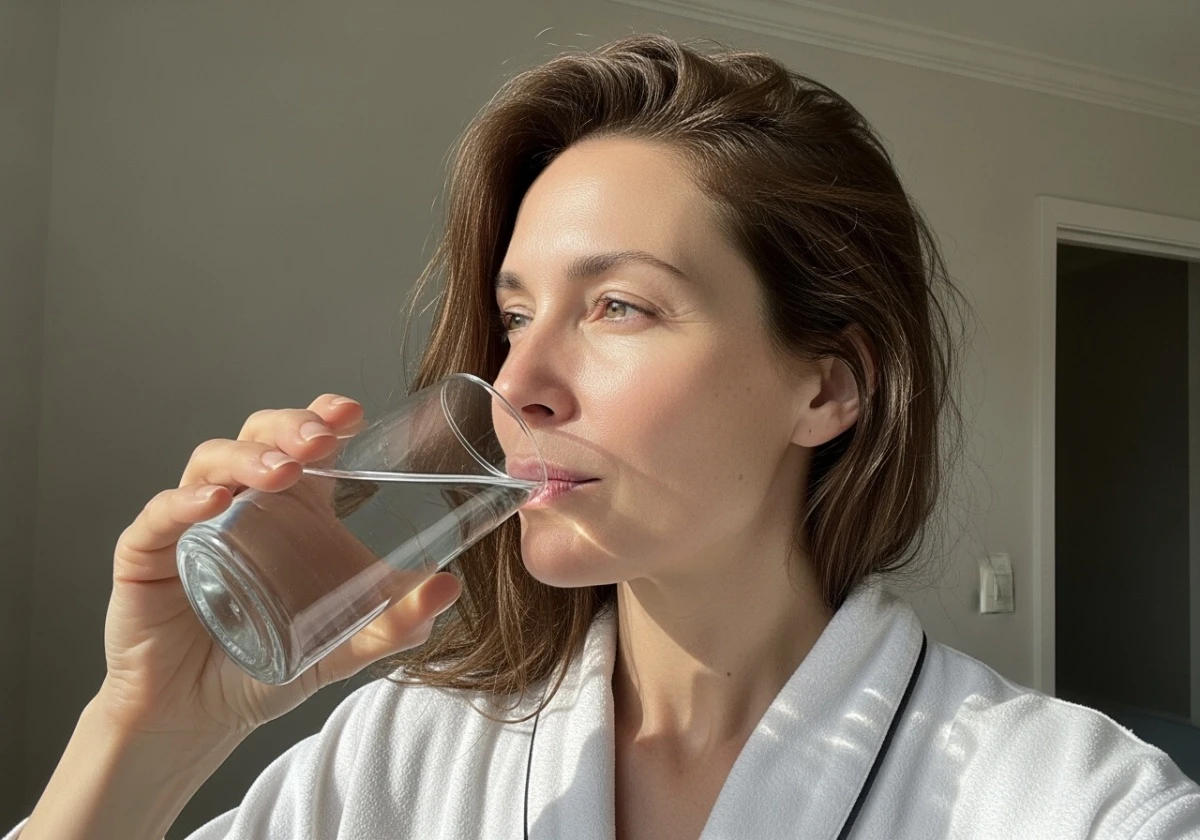
Adequate hydration benefits both skin beauty and overall health.
Prevents Urinary Tract Infections: Regular hydration promotes frequent urination, limiting bacterial growth and reducing infection risks.
Regulates Body Temperature, Protects Joints: Water helps balance body temperature and maintains joint lubrication, reducing stiffness and discomfort.
Boosts Immunity, Supports Detoxification: Water enhances blood circulation, aiding liver and kidney function in toxin removal, thus strengthening immunity and overall health.
How Much Water Should You Drink Daily? Calculating Your Optimal Intake
5 Essential Tips for Healthy Hydration in Summer
Many wonder, “How many glasses of water should I drink daily?” In reality, there’s no one-size-fits-all answer. The required amount depends on weight, activity level, weather, and health status.
A common formula to estimate daily water needs: Water Intake (ml) = Weight (kg) × 30–40 ml
Examples:
– 50 kg individual → needs about 1,500–2,000 ml/day
– 70 kg individual → needs about 2,100–2,800 ml/day
Note: This includes water from food and other beverages like fruits, vegetables, soups, tea, and coffee. If you exercise regularly or work in hot environments, increase your water intake accordingly.
Drinking water in moderation is key; excessive intake can impact health.
Simple Hydration Tips
– Sip water slowly, in small amounts, rather than gulping large quantities at once.
– Avoid drinking too much water before bedtime to prevent nighttime urination and sleep disruption.
– During intense exercise or sweating, replenish electrolytes with sports drinks to maintain mineral balance.
Chewing Gum: The Seemingly Harmless Habit That Could Be Damaging Your Skin
While occasionally chewing gum may not be harmful, prolonged and consistent use over time can lead to undesirable effects on both skin and overall health.
The Ultimate Guide to a Slimmer Face: 6 Tips for a Flawless V-Line Jaw

If you’re short on time for self-care, squeezing in a 15-30 minute daily facial workout shouldn’t be a hassle.
4 Silent Habits that Accelerate Aging: Reverse Them to Embrace a Youthful You

Aging is inevitable, but did you know that certain everyday habits could be expediting the process? This article uncovers four common habits that contribute to premature aging and offers insights into how you can thwart their detrimental effects. It’s time to embrace a youthful and vibrant you!
5 Golden Times to Drink Water for Appetite Control and Glowing Skin
“Hydration is key to a healthy, vibrant you. Drinking water properly is not just about quenching your thirst, it’s about mastering your appetite and unlocking flawless skin. “
“Flawless Skin on a Budget: The ‘3R, 1D’ Routine for Smart Beauty Savings”

“The ‘3R, 1D’ method is a simple yet effective approach to achieving clear, radiant skin. This all-natural and cost-effective strategy will deliver astonishing results and transform your skin, leaving it healthier and more youthful-looking.”