






















Smart-sounding tips promising quick fixes often go viral on social media. However, behind these ‘miraculous’ life hacks lie risks of irreparable device damage.
Many online hacks can actually harm your phone
IMAGE: SCREENSHOT FROM ASK COMPUTER
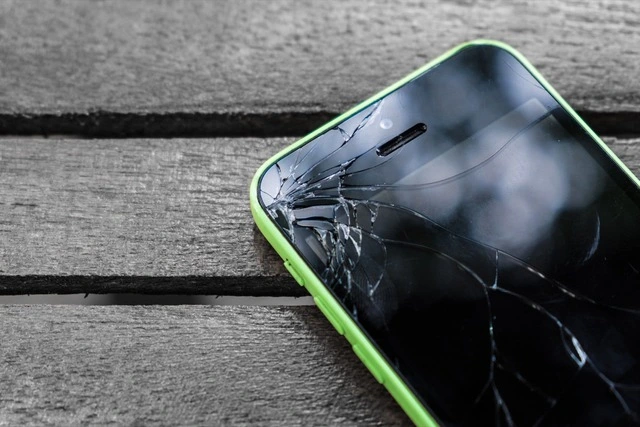
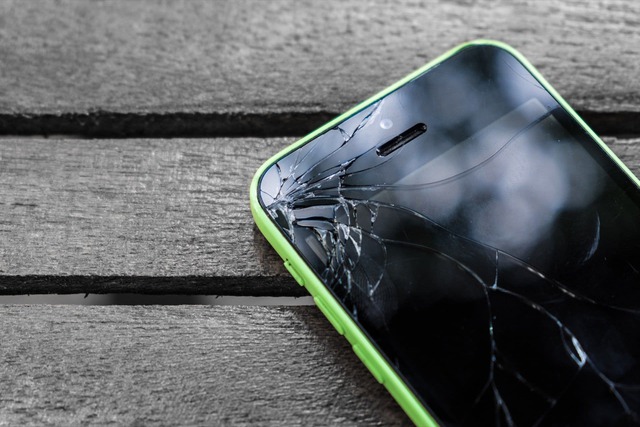
Using Toothpaste to Fix Cracked Phone Screens
Numerous tutorials claim toothpaste magically erases screen cracks. In reality, its abrasive particles destroy the oleophobic coating (fingerprint resistance). Worse, the paste’s liquid seeps into cracks, damaging touch sensors and worsening the fracture.
Submerging Wet Phones in Rice for Emergency Rescue
This infamous hack is the most harmful. Rice cannot absorb moisture from deep within circuitry where corrosion occurs. Instead, rice dust clogs charging ports and speakers, causing hardware failure. Rice merely slows natural evaporation without addressing internal damage.
Downloading Extra RAM for Computers
Exploiting hardware ignorance, some sites promise faster performance by ‘downloading RAM’. RAM is a physical component on the motherboard, impossible to add via software. Such sites often distribute malware or steal user data under false pretenses.
Using ‘Universal Codes’ to Unlock Any Phone
Forums share secret number sequences allegedly bypassing passwords/PINs. Modern smartphones tie security to hardware encryption and unique IDs—no universal code exists. These codes either check IMEI or trigger factory resets, permanently erasing data.
Browsing Incognito for Cheaper Flights/Hotels
Many believe incognito mode prevents price hikes from search history tracking. Travel pricing algorithms rely on real-time demand, availability, and market dynamics—not individual browsing. Incognito only clears personal data, offering no discount advantages.