























According to experts, running is a highly effective way to burn calories. Specifically, a person weighing between 60–65kg running at a speed of 7km/h can burn up to 600 calories.

For someone of the same build, walking would burn approximately 320 calories. However, walking is an ideal choice for beginners or those not accustomed to high-intensity workouts.
So, between walking and running – which is the more effective method for weight loss? Many people often debate: is running for 30 minutes in the morning or walking for 60 minutes in the evening the better option for burning fat? Let’s explore the information below to make the most suitable choice for you!
Benefits of Walking 60 Minutes in the Evening
Evening walks are a gentle, easy-to-perform form of exercise, suitable for many, especially beginners or the elderly. Not only does it help maintain your figure, but it also offers significant health benefits.
Effective weight loss and disease prevention through proper walking
1. Burns Calories and Supports Weight Management
Studies show that a 68kg woman, 1.65m tall (BMR = 1,437), walking for 60 minutes at a speed of 4.8km/h (MET = 3.5) can burn about 210 calories. This moderate calorie burn is suitable for maintaining your current figure and preventing weight gain rather than rapid weight loss.
2. Supports Digestion and Enhances Intestinal Function
Evening walks stimulate intestinal movement through abdominal muscle contractions and the up-and-down movement of the diaphragm during breathing. This promotes blood flow to the digestive system, speeding up digestion and nutrient absorption. This habit is particularly beneficial after dinner, reducing bloating and supporting a healthy figure.

Walking can burn calories and relax the mind.
3. Improves Blood Circulation and Metabolism
Walking is a full-body exercise that engages multiple muscle groups and joints, promoting blood circulation and enhancing metabolic activity. This not only makes the body more resilient but also reduces the risk of arterial stiffness.
4. Enhances Respiratory and Cardiovascular Function
Walking increases lung ventilation, improving respiratory efficiency. It’s a low-impact exercise compared to high-intensity activities like running, making it ideal for the elderly or those seeking a gentle yet effective form of exercise.
5. Supports Better Sleep
Evening walks help relax the body, reduce stress, and improve sleep quality. A good night’s sleep not only restores energy but also leaves your skin glowing and your spirit refreshed the next day.
6. Relieves Stress
Beyond physical benefits, walking is a great way to relax the mind. A gentle stroll after a stressful day helps alleviate anxiety, balance emotions, and improve mood effectively.
Tips for Evening Walks
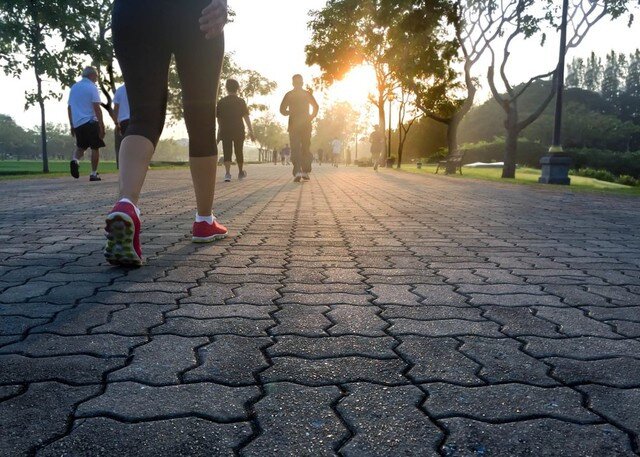
Choose a safe, well-lit, and clean route for evening walks.
Control time and distance: Select a duration and distance suitable for your fitness level, avoiding overly short or long walks that could be counterproductive.
Choose a safe route: Opt for areas near home that are clean, quiet, and have minimal traffic for a comfortable and safe workout.
Avoid walking immediately after meals: Wait about 30 minutes after eating to aid digestion and avoid discomfort.
Avoid polluted areas: Steer clear of busy roads during peak hours due to high emissions; choose places with fresh air to protect your respiratory system.
What About 30 Minutes of Morning Running?
Morning runs are a popular way to start the day. Compared to 60 minutes of evening walking, 30 minutes of morning running not only saves time but also offers greater effectiveness in weight loss and overall health improvement.
1. Supports Weight Loss and Body Toning
Running is highly effective for burning calories. Experts say that just 30 minutes of running each morning can burn 180–500 calories, depending on speed, build, and intensity.
When paired with a balanced diet, running not only eliminates excess calories but also supports sustainable weight loss and tones major muscle groups.
2. Enhances Cardiovascular Health
Running is an aerobic exercise that increases oxygen consumption, boosts blood circulation, and improves heart function. Regular running strengthens the heart muscle, reducing the risk of cardiovascular diseases over time.
3. Detoxifies and Improves Skin
During running, the body sweats profusely, a natural mechanism for eliminating toxins through the skin. This can lead to clearer, healthier skin and reduce issues like acne and clogged pores, especially for those with sedentary lifestyles.

Running helps tone the body, detoxify, and improve skin health.
4. Boosts Mood and Work Efficiency
Starting the day with a light run stimulates the production of endorphins, the “feel-good” hormone, leaving you feeling refreshed and energized for the day ahead.
Additionally, morning runs provide an ideal time to organize your thoughts and plan your day calmly and clearly.
5. Promotes a Healthy Lifestyle
Those who maintain a morning running habit tend to eat a more balanced and healthy breakfast, contributing to a disciplined lifestyle that benefits both physical and mental health.
Tips for Morning Runs
Eat a light snack before running: Avoid heavy meals; opt for warm water and a light snack like a banana or cereal to prevent digestive discomfort.
Warm up properly: Perform joint rotations, leg stretches, and arm swings to prepare your body and prevent injuries.
Choose the right time: Run when the sun is just rising. In summer, aim for 5:30–6:30 AM; in winter, around 7 AM is ideal.
Maintain proper posture: Keep your eyes forward, shoulders relaxed, elbows bent at 90 degrees, and feet landing lightly and straight for safety and effectiveness.
“Top 4 Golden Foods to Melt Belly Fat: A Must-Try for Women Seeking a Slimmer Waist”

Shedding excess fat is not a sprint, nor does it require drastic measures. The key lies in choosing the right foods, maintaining balanced eating habits, and sustaining a healthy lifestyle.
“Girl Loses 25kg in 4 Months by Drinking 5 Cups of This Instead of Late-Night Snacks – A Budget-Friendly Alternative to Liposuction”

Sipping the right beverage before bed can accelerate weight loss without the need for excessive effort. Discover these 5 simple, evening drink recipes that not only aid in fat burning but also enhance sleep quality and boost metabolism efficiently.
“Green Drink Helps Girl Rapidly Lose 3kg, Revealing a Defined 11-Line Abs: Made with 4 Easy-to-Find Ingredients, Effectively Curbs Hunger”

Unlock radiant skin and a healthier you with this powerful beverage. Crafted from just four readily available ingredients, it’s your secret weapon for weight loss, glowing complexion, and a revitalized well-being.
Royal Strawberry Gift of $7.5 Million at Birth, Shedding 13kg with the “Poor Man’s Ginseng” Found in Every Market

Not only does Guo Biting captivate with her stunning Sino-American beauty and enchanting aura, but she also sets the internet abuzz with her scientifically-backed secrets to maintaining a flawless figure and shedding pounds effectively.
“5 Morning Drinks for Office Workers: Shed Pounds and Melt Belly Fat Effortlessly”

No strict dieting or intense workouts required—just a familiar morning drink can help office workers shed belly fat, detoxify their bodies, and start the day with a burst of energy. Here are 5 powerful beverages to effectively melt away fat.