























1. Over-Exfoliation – When Cleansing Turns Harmful
Proper exfoliation removes dull skin, promotes cell turnover, and enhances nutrient absorption. However, for sensitive skin—especially those with thin skin or a history of laser treatments, peels, or retinol use—over-exfoliation can backfire. Physical scrubs may cause micro-tears on the skin’s surface, while frequent use of high-concentration AHA or BHA can compromise the skin’s natural barrier, leading to dryness, peeling, and long-term thinning.
Dermatologist’s advice: Exfoliate only 1–2 times weekly, using gentle options like lactic acid, PHA, or natural enzymes from papaya or pumpkin.
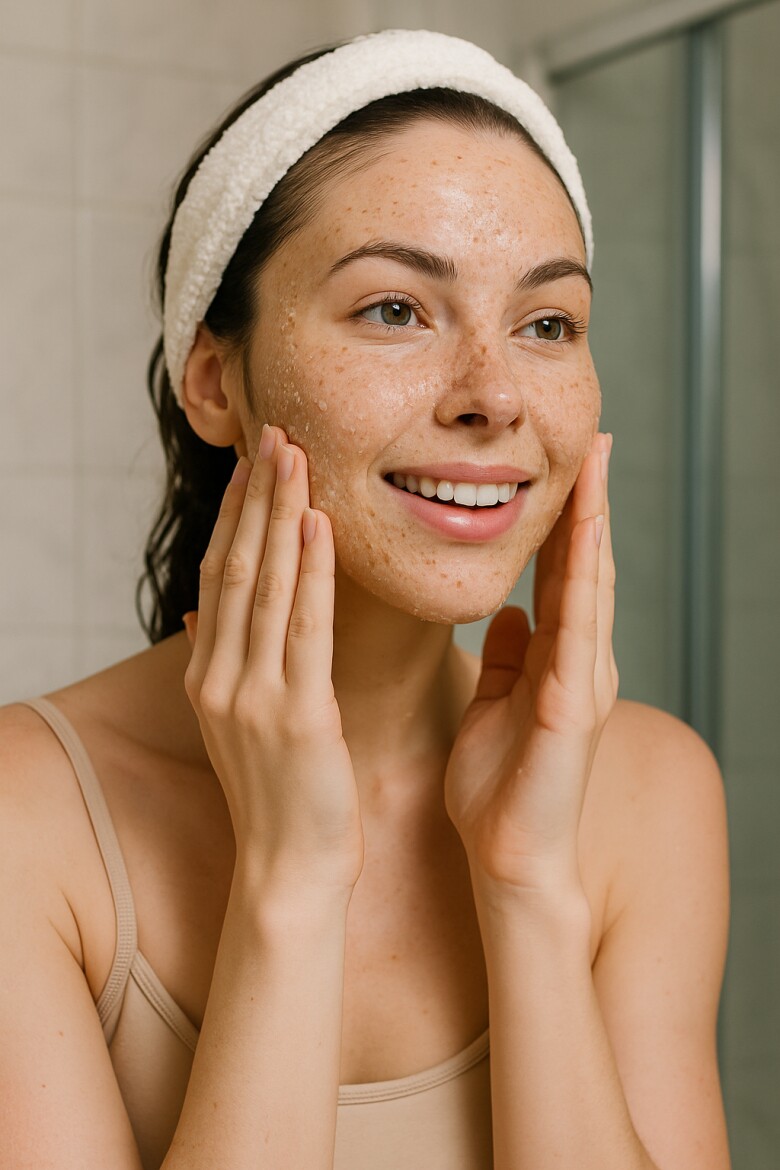
2. Incorrect Face Washing – Hot Water is a Foe to Delicate Skin
Washing your face with hot water is a common yet overlooked mistake. High temperatures dissolve the skin’s natural lipids, causing rapid moisture loss and increasing the risk of dryness, eczema, and barrier dysfunction. For sensitive skin, already prone to dehydration and irritation, this is particularly harmful.
Solution: Use cool or lukewarm water (30–32°C) with a gentle, pH-balanced cleanser (around 5.5), free from sulfates, drying alcohols, and synthetic fragrances. Pat dry with a soft, clean towel instead of rubbing.
3. Frequent Face Touching – An Unconscious Habit with Consequences
Many unconsciously touch their face, especially while using devices or under stress. However, hands harbor millions of bacteria, excess oil, and dirt. This habit allows bacteria to penetrate damaged skin areas, worsening irritation, redness, or breakouts on sensitive skin.
The American Academy of Dermatology (AAD) emphasizes avoiding face-touching as a top rule for sensitive skin care. Regularly clean phones, masks, and other items that come into contact with your face.
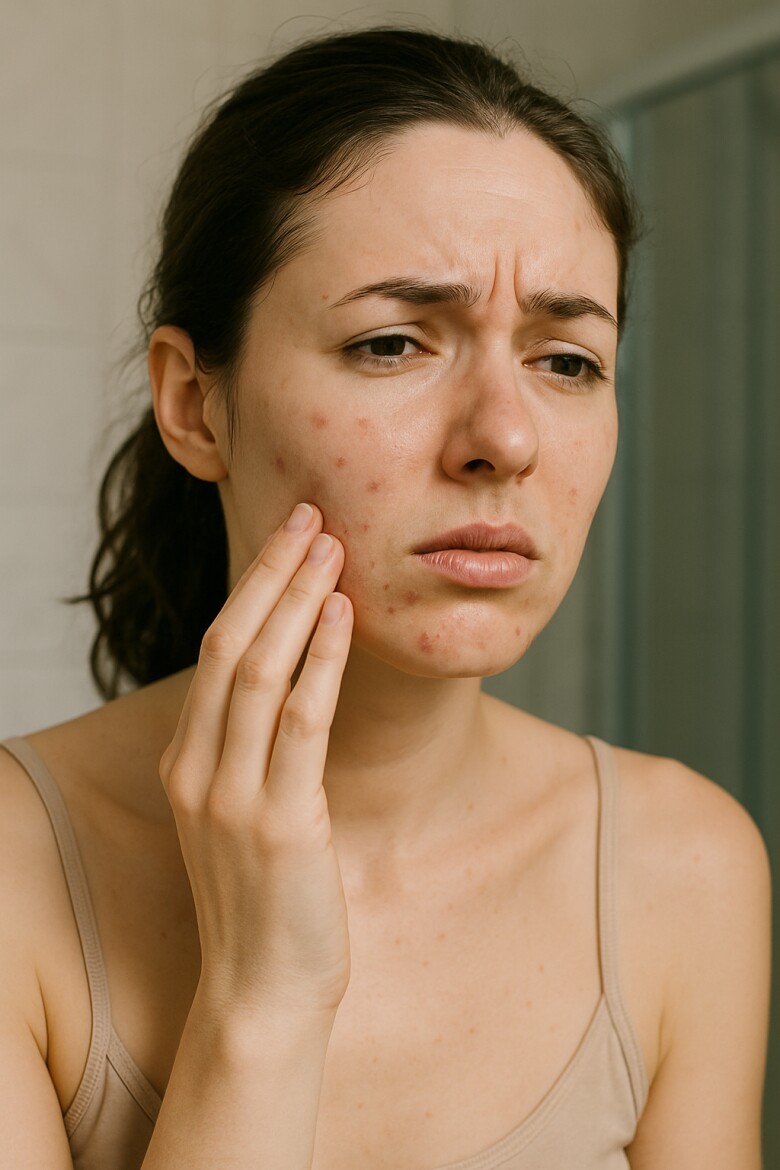
4. Skipping Sunscreen – A Costly Yet Common Mistake
Sensitive skin often suffers from UV damage due to inadequate protection. Sunlight not only causes hyperpigmentation but also breaks down collagen and elastin, leading to thinning, redness, and inflammation. Even indoor exposure to LED lights or near windows requires protection.
Apply sunscreen daily, choosing physical formulas (zinc oxide, titanium dioxide) with SPF 30+, free from fragrances, alcohol, and pore-clogging ingredients.
5. Using Harsh Ingredients – A Recipe for Irritation
Expensive products don’t guarantee safety for sensitive skin. Ingredients like denatured alcohol, synthetic fragrances, SLS/SLES, and parabens often trigger redness, dryness, or stinging. Dr. Shereene Idriss recommends a minimalist routine: 3–5 products focused on barrier repair, hydration (hyaluronic acid, B5, ceramides), and low-concentration niacinamide.
Healthier Sensitive Skin Starts with Stopping Daily Damage
Sensitive skin isn’t a life sentence. Recovery begins by halting harmful habits: over-exfoliation, hot water, face-touching, skipping sunscreen, and using unsuitable products. Adopt a simplified routine prioritizing hydration, barrier repair, and sun protection. Avoid triggers like stress, pollution, and excessive sun exposure. Your skin will thank you—literally.
6 Simple Yet Highly Effective Skin Brightening Methods Recommended by Dermatologists for Regular Use

Embrace these habits to unlock radiant skin that not only glows brighter but also boasts improved texture, slowed aging, and a natural luminosity that comes from within.
Which Skin Types Benefit Most from Aloe Vera Gel?

Aloe vera gel is a versatile skincare solution, ideal for most skin types, particularly dry and sensitive skin. Its gentle, soothing properties make it a go-to choice for those seeking hydration and relief from irritation.
Unlock Timeless Beauty: 5 Essential Habits for Women Over 25 to Stay Youthful for the Next Decade

Unlock a healthier, more vibrant future with just 5 simple habits. By consistently practicing these easy-to-maintain routines, you can significantly transform your health and appearance over the next 10–20 years. Start today and reap the long-term benefits of a better you.
Unveiling the Ultimate Guide to Fresh Milk Baths: Everything You Need to Know

Your skin’s susceptibility to sunburn hinges on post-bath care and protection, not the inherent properties of the milk itself.
Should You Apply Sunscreen at Night? Debunking the Myth That Weakens Your Skin Daily

Sunblock isn’t your 24/7 armor. At night, it only weighs you down. Instead, prioritize your recovery routine—that’s the real secret to ageless skin.