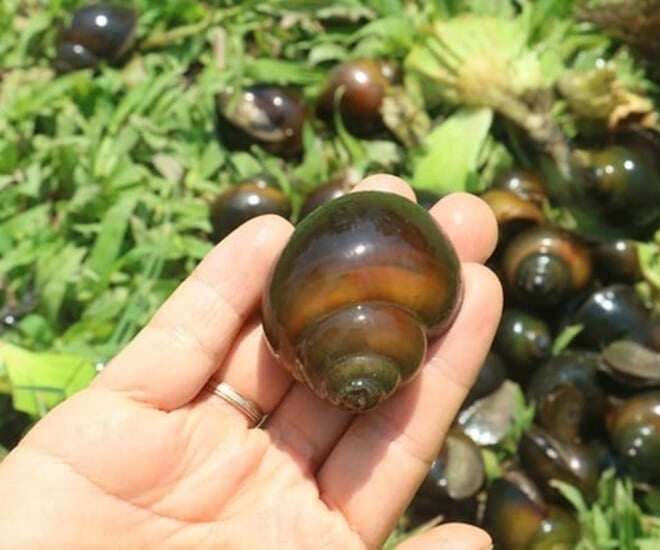
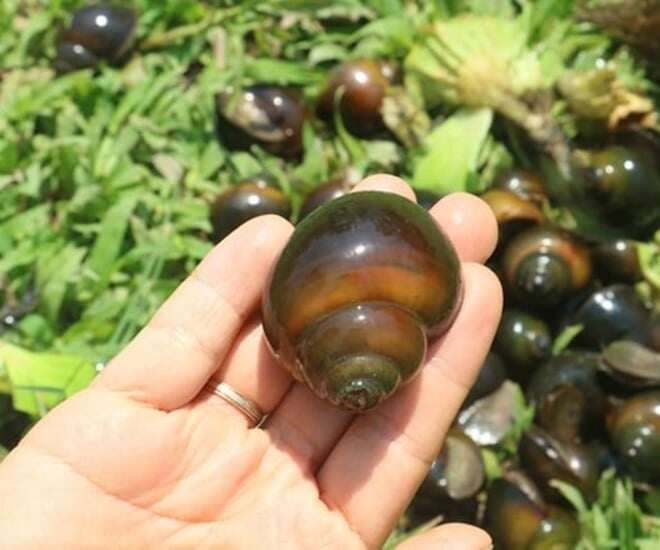
The apple snail, scientifically known as Pila conica, is widely distributed across various regions in Vietnam. These snails primarily inhabit freshwater environments such as rice paddies, ponds, lakes, small rivers, and canals. In the central provinces, the snail season typically begins during the summer months or after heavy rainfall. As water levels rise, the snails climb onto grassy banks, rice stalks, or shorelines to forage and seek shelter, making it easier for locals to collect them.
For many who grew up in rural areas, wading through fields to catch snails is an unforgettable childhood memory. After each rain, children often followed their parents or grandparents, carrying bamboo baskets or plastic buckets to the fields. Within a few hours, they could return home with a basket full of snails to prepare for family meals. During those times, apple snails were abundant and had little market value. They were considered a readily available natural food source, easy to find and a great way to enhance meals.
After collecting, the snails are typically soaked in rice washing water for hours to expel mud and impurities. They are then rinsed multiple times with clean water, and some add a pinch of chili powder to remove slime and reduce the fishy odor. When boiled, adding a few crushed lemongrass stalks or kaffir lime leaves infuses the pot with an enticing aroma. The flesh of the apple snail is tender yet slightly chewy, with a naturally sweet flavor that pairs perfectly with ginger fish sauce or lemongrass chili dipping sauce, enhancing its unique taste.
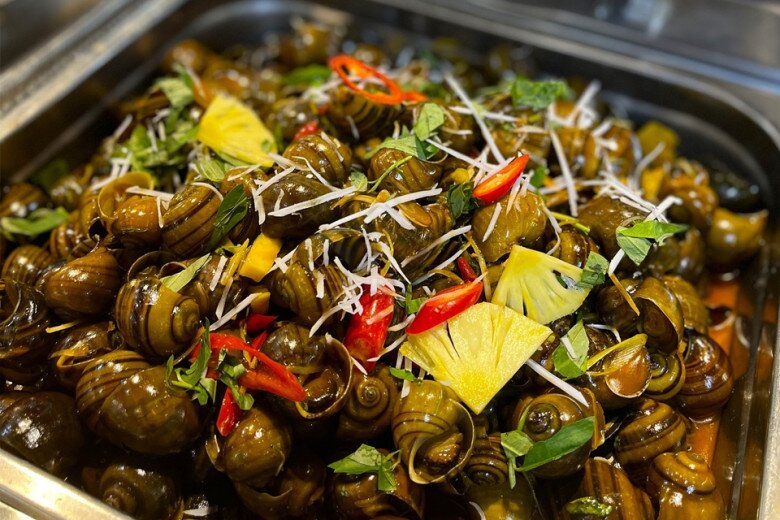
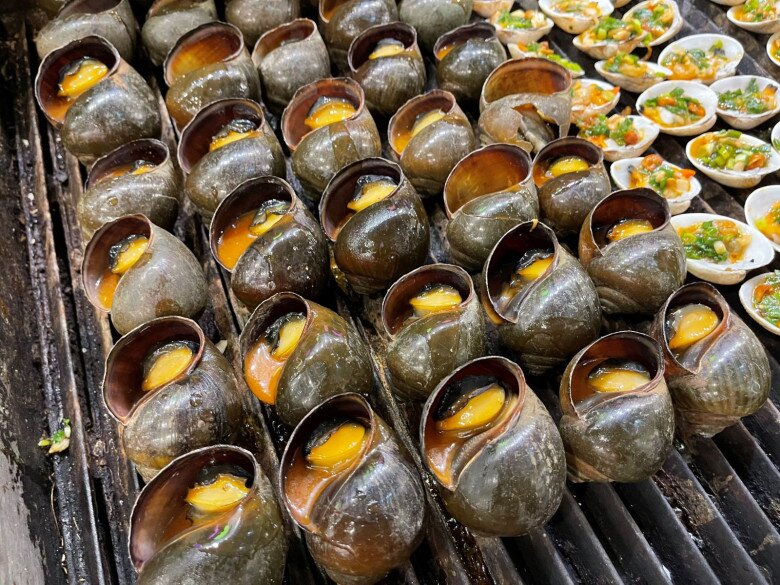
Beyond boiled snails, apple snails are used in various dishes such as stir-fried lemongrass chili snails, braised snails with banana and beans, snail hotpot, and snail cakes. Each dish offers a unique flavor while preserving the snail’s signature tenderness and sweetness. This culinary versatility has led to apple snails becoming a popular feature on the menus of restaurants specializing in rural delicacies.
While once abundant in fields, finding apple snails in the wild is now challenging. Their natural population has significantly declined due to reduced rice paddy areas, environmental changes, and polluted water sources. To gather a few kilograms, many must wade through mud for hours, searching along field edges, ditches, or small riverbanks. Even during peak season, yields are low, with individuals lucky to collect 7–8 kg after a full day’s work.
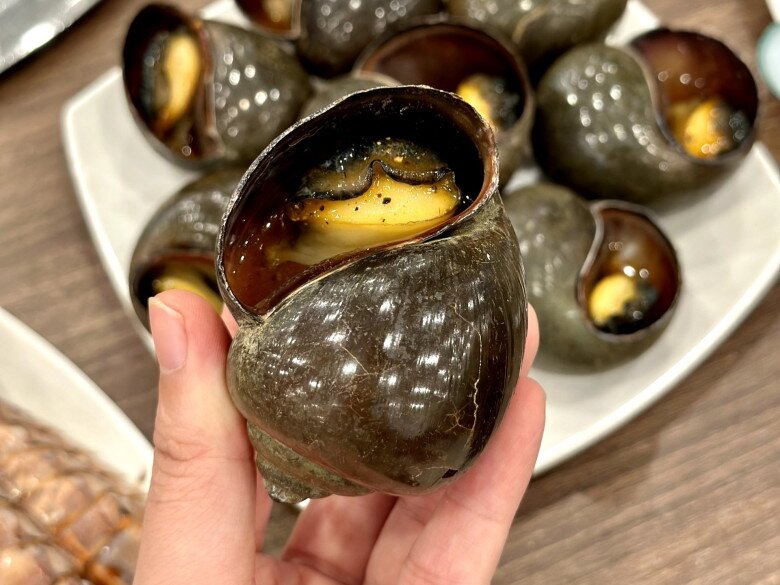
Whole apple snails are sold in markets for approximately 60,000–90,000 VND/kg, while cleaned snail meat fetches around 150,000 VND/kg.
Many households have begun farming apple snails commercially. These snails are relatively easy to raise, adapting well to their environment and requiring minimal care. Their diet consists mainly of vegetables, water hyacinths, or agricultural byproducts, keeping costs low while ensuring a stable market. When farmed properly, the meat retains its tenderness, sweetness, and quality, comparable to wild-caught snails.
“Discover Hanoi’s Misleadingly Named Yet Irresistible Street Snack: 5 Trusted Spots That Will Hook You Instantly”
This beloved snack isn’t just a staple for Hanoi’s youth; it’s a vibrant thread in the city’s street food tapestry. Each corner of Hanoi boasts its own unique twist on this seemingly simple dish, crafting a delightful spectrum of flavors and preparations that elevate it to a true culinary adventure.
Discover 19 Must-Try Affordable and Delicious Lunch Spots in Dong Da District
When you need to recharge after a busy morning of sightseeing, head to the renowned lunch spots in Dong Da District. Indulge in delectable dishes like pho, bun, and crab noodle soup, offering the perfect fuel for your adventures ahead.
“8 Unforgettable Bun Rieu Spots in District 10: A Culinary Journey You Won’t Forget”
If you’re living and working in District 10, don’t miss out on these 8 unforgettable and mouthwatering bun rieu spots that will leave you craving more after every visit!
7 Must-Try Affordable Lunch Spots in District 10 for Office Workers
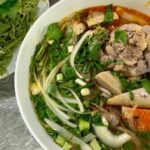
Lunchtime often leaves us pondering the perfect meal—something delicious, affordable, and energizing. To answer that age-old question, we’ve curated a list of the top 7 budget-friendly yet mouthwatering lunch spots in District 10, tailored for every food enthusiast.
Top 10 Best Late-Night Congee Spots in Saigon
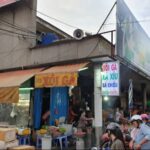
Discover the ultimate guide to Saigon’s top 10 nighttime xôi spots, where this beloved Vietnamese dish takes center stage. From savory to sweet, these hidden gems offer a taste of tradition that both locals and visitors crave. Join us as we uncover the best places to indulge in this iconic comfort food after dark.