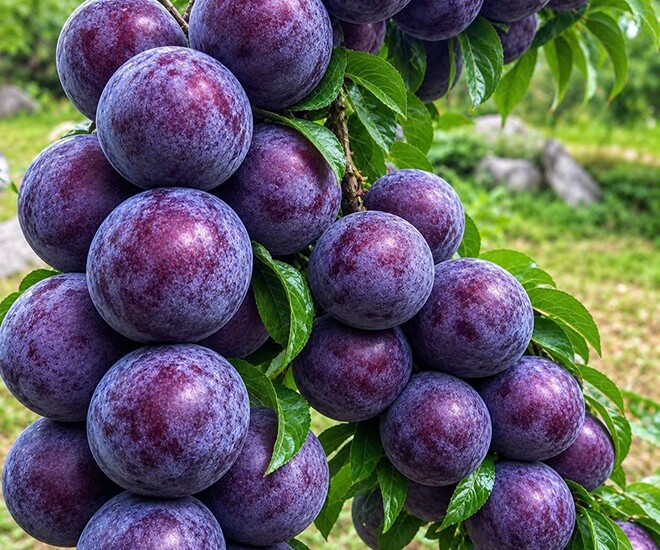
Pu Nhi plums thrive in the mountainous terrain of Northwest Vietnam, where mineral-rich, rocky soil and a year-round cool climate create the perfect conditions for their exceptional quality. This unique environment sets them apart as one of the region’s most renowned specialties.
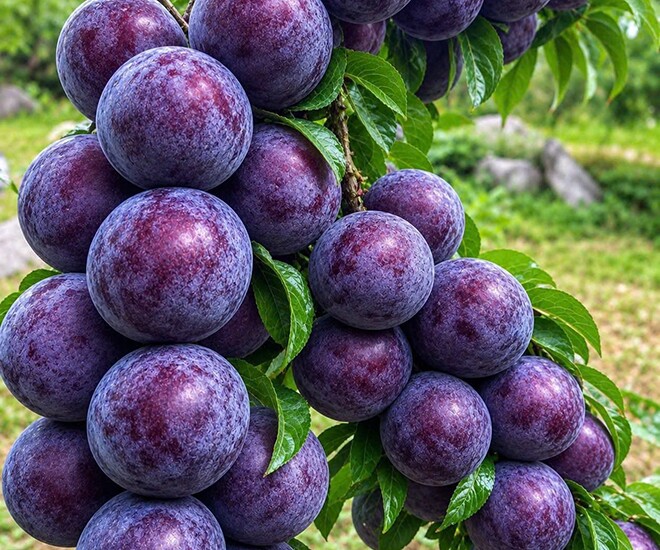
These plums are easily distinguished by their size, slightly larger than the common Chinese plum, with a uniform round shape, thin yet firm skin. When unripe, they boast a light green hue and a tart, refreshing flavor without any bitterness. As they ripen, they transform into a deep red, their skin dusted with a natural white bloom, creating a visually stunning fruit.
Cutting into a ripe Pu Nhi plum reveals a vibrant red or pink flesh, juicy and with a stone that separates easily from the meat, making it incredibly easy to eat. The texture is crisp, the sweetness intense, balanced by a subtle tang, leaving a lingering natural aroma on the palate. Compared to the famous Moc Chau plums, Pu Nhi plums have thinner skin, a deeper red color, and a more pronounced sweetness.
Experienced growers attest that older plum trees bear smaller fruits with superior quality. The older the tree, the more concentrated the sweetness, the crisper the texture, and the more fragrant the aroma. Consequently, plums harvested from these mature trees are highly prized by consumers.
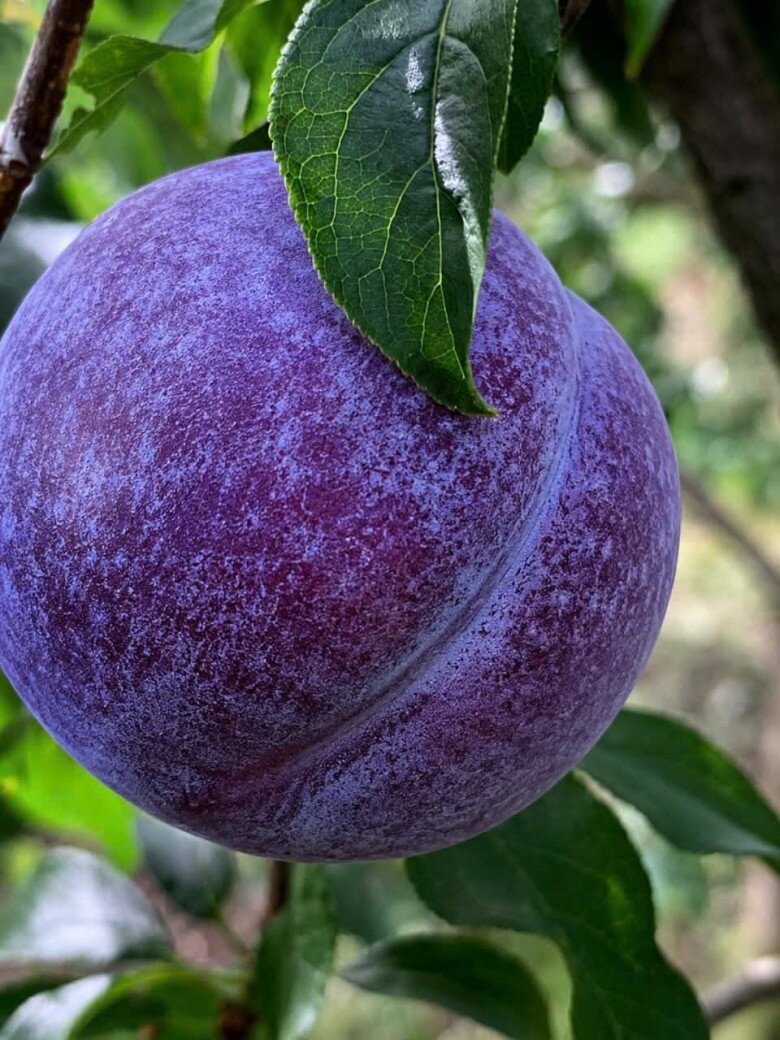
Beyond their exquisite taste, Pu Nhi plums are relatively rare. Their cultivation is limited to the specific climate and soil conditions of high-altitude mountains, preventing widespread planting like other plum varieties. The annual yield is modest, and the harvest season lasts only about 20 days, making them a limited commodity.
This scarcity contributes to their higher price compared to other plums. During peak season, farmgate prices range from 80,000 to 90,000 VND per kilogram. In major cities like Hanoi, prices can reach 100,000 to 120,000 VND per kilogram, with carefully selected batches often selling out within days.
Pu Nhi plums are not just enjoyed fresh. They are also used to make syrups, preserves, jams, juices, and infused liquors. Their firm flesh, easily removable stone, and intense sweetness make them ideal for processing while retaining their distinctive mountain aroma.
In recent years, alongside fresh fruit sales, many Pu Nhi households have developed agritourism experiences during the plum season. From late May to mid-June, plum orchards open their doors to visitors who can tour the orchards, take photos, and pick ripe fruits directly from the trees. Amidst the lush green mountains, the plum-laden trees create a captivating backdrop for those seeking agricultural tourism experiences.
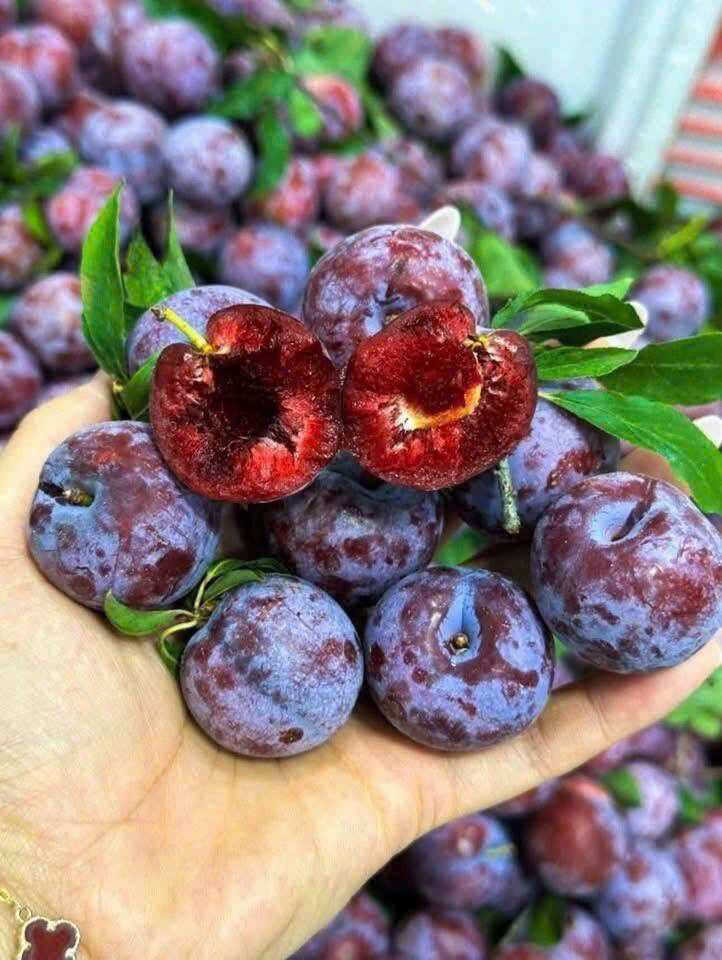
Visitors can savor the crisp, naturally sweet plums straight from the tree and purchase fresh fruits or processed products as souvenirs.
Pu Nhi plum trees are long-lived, thriving in regions with cold winters and high altitudes. They are typically planted in early spring or at the onset of the rainy season on well-drained, sunny hillsides. After about two years, the trees begin to bear fruit and can be harvested for many years with proper care.
Local farmers primarily use traditional farming methods, favoring organic fertilizers, pruning after each harvest, and minimizing chemical use. This natural approach ensures consistent quality and preserves the distinctive flavor of these highland plums.
The World’s Finest Fruit: Vietnam’s Multi-Year Harvest Success Becomes a Renowned Specialty at 400,000 VND/kg
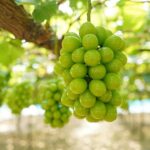
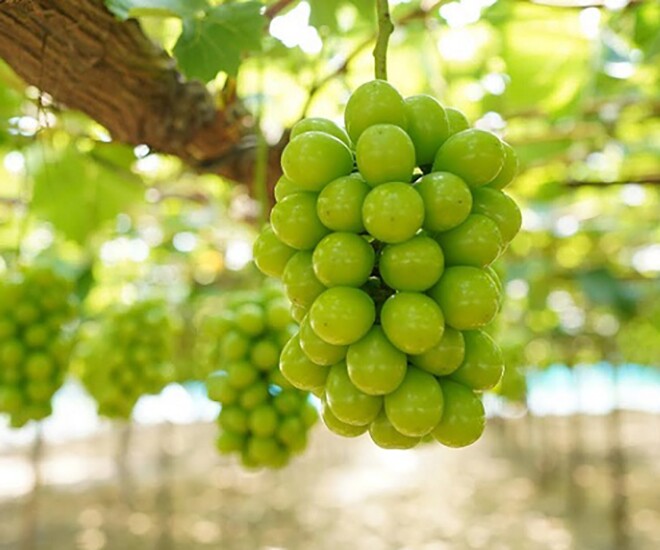
In the prestigious “Top 20 Best Fruits” list curated by a renowned British culinary website, grapes secured the 10th spot. Among them, the Japanese Peony Grape variety stands out, successfully cultivated in several Vietnamese regions such as Lam Dong, Khanh Hoa, Quang Ngai, and Son La.
Lâm Đồng’s Top-Ranked Global Fruit: A Renowned Specialty at $17/kg, Harvested for Years from a Single Planting
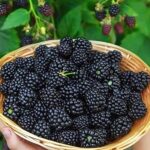
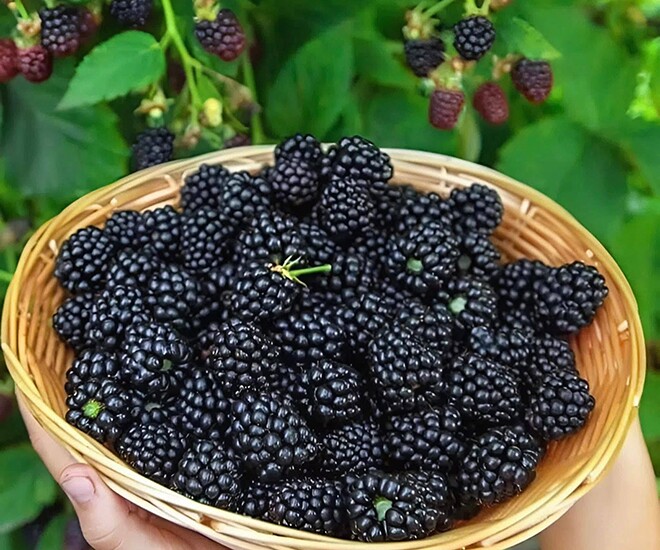
The subtle tartness, balanced by a hint of natural sweetness, combined with its tender, juicy texture and aromatic fragrance, has made raspberries one of the most beloved berries worldwide. Now, this exquisite fruit is successfully cultivated in Lâm Đồng.
“Near Hanoi Lies the ‘Primitive Village of Three Nots’: A Healing Paradise with Cool, Refreshing Air”
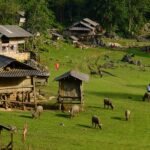
If you’re seeking a summer escape from the heat, this is the perfect destination to rejuvenate your soul. With a cool climate consistently below 26°C and a serene, peaceful atmosphere, it offers the ideal retreat for relaxation and tranquility.
From Forgotten Fruit to Urban Delicacy: Once-Abundant Tree Yields Priceless Harvest at $5/kg in City Markets
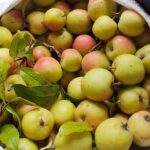
Wild apples, with their tart and astringent flavor, transform into a crisp, delectable treat when prepared with care. During their season, products made from these apples are highly sought after and enjoyed by many.
From Forgotten Fruit to Urban Delicacy: Once-Overlooked Berry Now Fetching $2.50/lb in City Markets, Offering Multi-Year Harvests from a Single Planting
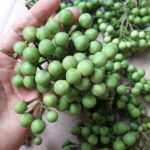
Wild bramble fruit, also known as forest thorny gourd, boasts a subtle bitterness and serves as a key ingredient in numerous specialty dishes from the Northwest region of Vietnam. In recent years, this once-wild fruit has found its way onto restaurant menus, captivating both tourists and urban dwellers alike with its unique flavor profile.