














Step 1: Selecting and Preparing Cabbage
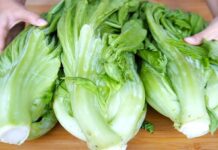
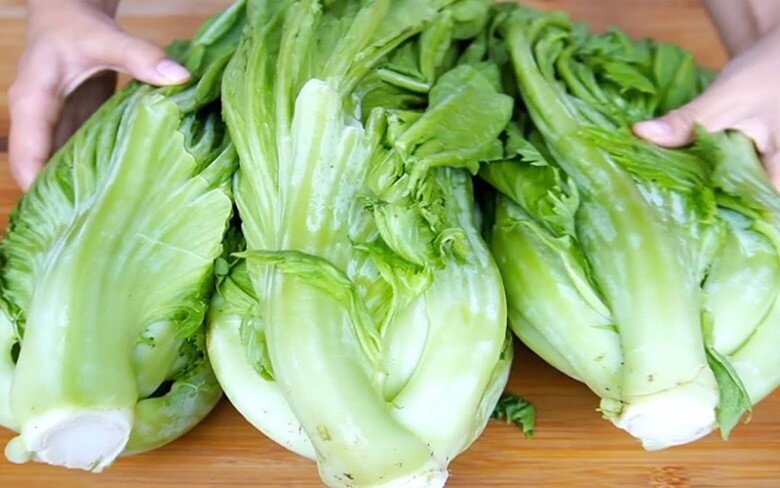
The first step is crucial for achieving the perfect flavor. Choose fresh, vibrant green cabbage with thick leaves, ensuring no wilting or damage. Upon purchase, discard any aged, discolored, or damaged leaves.
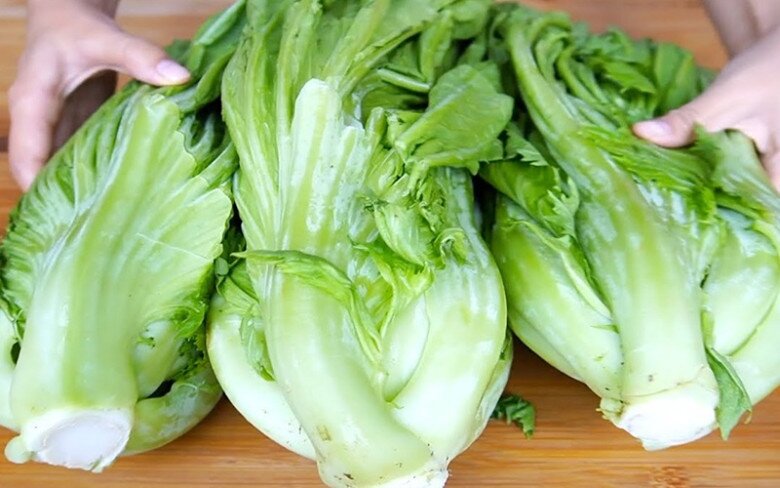
Separate each leaf and rinse thoroughly under running water to remove all traces of dirt. Allow the cabbage to drain completely in a colander. Any residual moisture can spoil the fermentation process.
Step 2: Wilting the Cabbage
This technique ensures the pickled cabbage remains crisp for longer.
Once the cabbage is dry, expose it to gentle sunlight or air-dry in a well-ventilated area. The duration depends on the weather, but aim for a slightly softened texture while retaining flexibility. Avoid over-drying, as it may lead to a loss of crispness during pickling.
Step 3: Massaging Cabbage with Salt
This step accelerates the fermentation process and eliminates any harsh flavors.
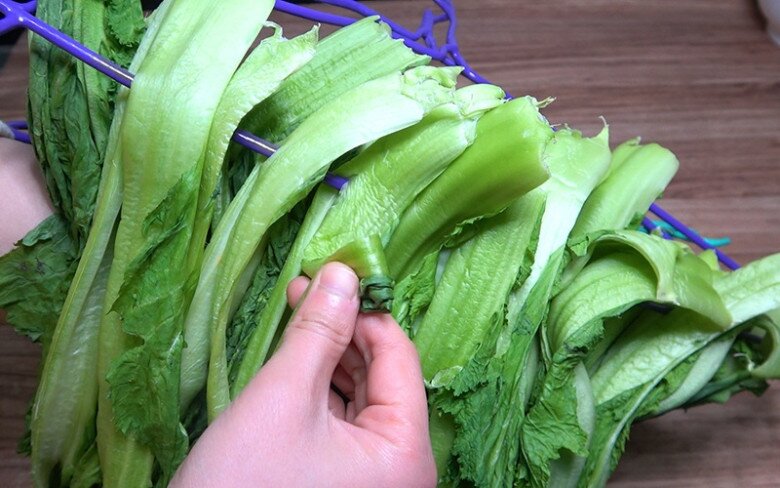
In a clean, dry bowl, combine the cabbage with a pinch of salt. Gently massage and squeeze the leaves repeatedly to soften them and release their internal moisture. When the leaves turn a vibrant green, transfer them to a jar. Avoid waiting until they yellow, as this affects the final crunchiness.
Step 4: Preparing the Brine – The Secret to a Natural Golden Hue
Use cooled boiled water and mix it with the second rice washing water, a trick for faster fermentation and a beautiful golden color. For a milder taste, add 2-3 tablespoons of sugar. Additional salt is unnecessary, as the cabbage has already been salted.
Step 5: Packing and Weighing Down – The Key to Preventing Spoilage
Neatly arrange the cabbage in the jar and pour the brine, ensuring the cabbage is fully submerged. Use a clean, dry weight to keep the cabbage beneath the surface. Maintain absolute cleanliness: the jar, weight, and hands must be spotless and dry. Any trace of dirt or oil can cause a white film and spoilage.
Step 6: Fermentation – The Flavor Development Stage
Seal the jar and store it in a cool, shaded area. After 2-3 days, the cabbage will start to sour slightly. From day 3 onwards, it will develop a golden color, pleasant aroma, and a crisp texture without any off-flavors.
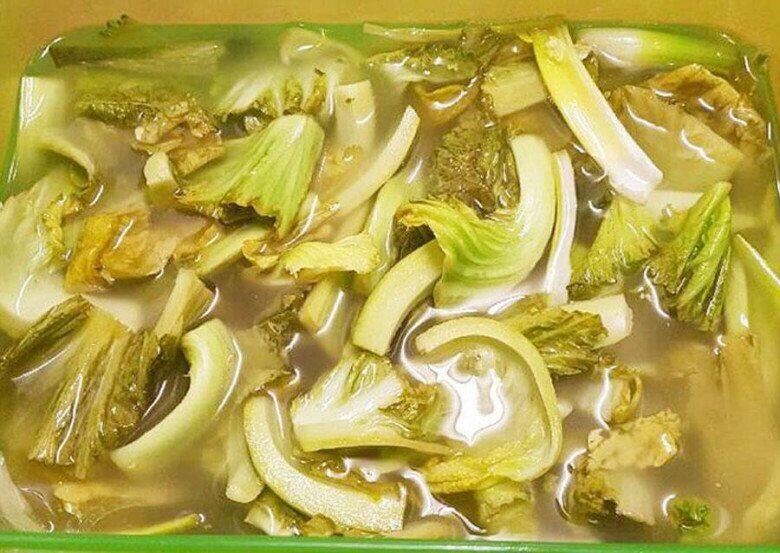
Essential Tips for Perfect Pickled Cabbage
When serving, use clean, dry utensils to avoid contamination. If a thin film appears, remove it promptly to prevent spreading. Remember the golden rule: dry cabbage, cooled water, clean jar, and dry hands. Following these steps guarantees a successful batch of pickled cabbage.
Beat Holiday Food Fatigue with Oppa’s Kimchi and Pickled Radish

Elevate your Lunar New Year feast with the authentic flavors of Oppa’s kimchi and pickled radish. A celebration without these staples simply isn’t complete. Join us in savoring the tradition and craftsmanship behind Oppa’s signature offerings.
How Do a $200 and a $20,000 Fridge Differ? Discover Why You Get What You Pay For!

Discover the unique differences that could make all the difference for you—let’s explore together!
Unlock the Secret to Perfect Pickled Mustard Greens: Beyond Just Salt – 3 Essential Steps for Golden, Crispy, and Aromatic Results Every Time

Moreover, with this tip, your pickled radish will never turn sour.
The Hidden Gem Within: Transforming Papaya Stems into Delicious Dishes that Rival Chicken
According to locals, during hard times, especially during the rainy season when crops failed, pickled papaya cores were considered a lifesaver.
“Keep Leftover Rice Fresh: The Secret Ingredient to Prevent Spoilage”
“The secret to keeping rice fresh and tasty, even when left overnight, is to add a splash of rice vinegar to the cooking water. This simple trick is a game-changer, ensuring your rice remains delicious and edible for longer.”