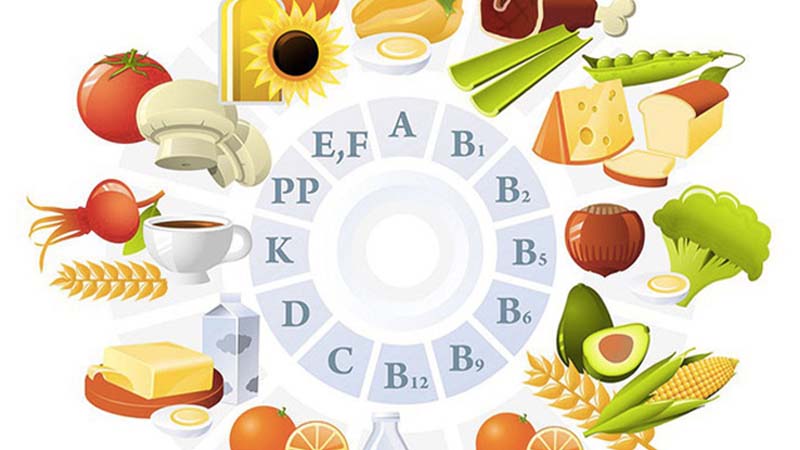
Vitamins are essential compounds that the body cannot synthesize on its own, requiring supplementation primarily through diet. Vitamins play a crucial role in human life. This article will help you better understand what vitamins are, the common types of vitamins, and their benefits to health.
1 What Are Vitamins?
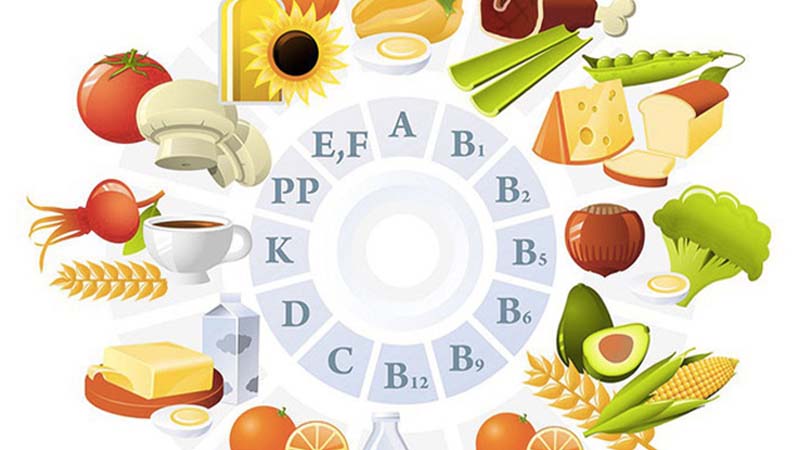 What Are Vitamins? Types of Vitamins and Their Health Benefits
Vitamins are organic compounds that are essential for metabolism, acting as vital nutrients that the body cannot produce in sufficient quantities, necessitating supplementation through daily food intake.
Vitamins are involved in the body’s energy conversion processes, the synthesis, utilization, and metabolism of nutrients. There are various types of vitamins, each playing a distinct role in the body.
2 Classification of Vitamins
Vitamins are categorized into two main groups:
– Water-soluble vitamins include vitamins from the B group and vitamin C.
– Fat-soluble vitamins include vitamins A, D, E, and K.
To date, scientists have identified over 30 types of vitamins, each with a unique role in health. Below are the most important and essential vitamins for the body.
Vitamin A
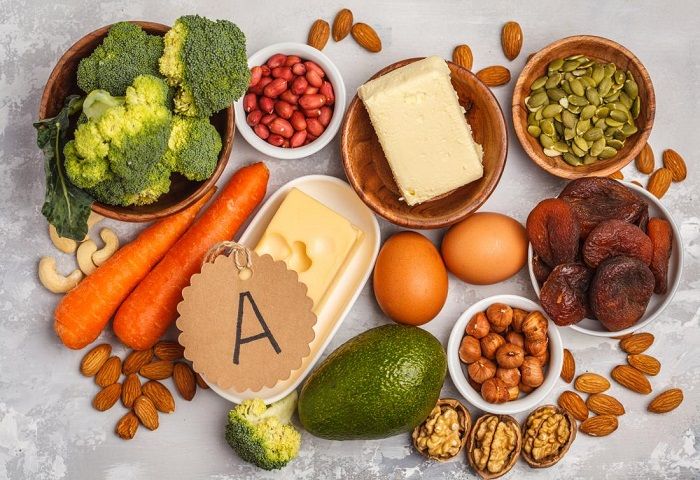
Vitamin A, also known as Retinol, is a yellow, oil-soluble compound that supports eye health, enhances vision, boosts the immune system, and treats acne.
Foods rich in vitamin A include liver, carrots, broccoli, sweet potatoes, avocados, kale, spinach, pumpkin, green leafy vegetables, eggs, and milk.
Vitamin B1
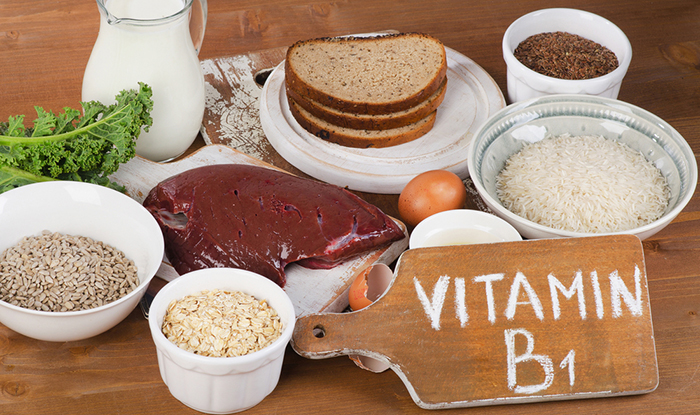
Also known as Thiamine, Vitamin B1 is a water-soluble B-group vitamin that supports cardiovascular health, enhances brain function, prevents Alzheimer’s disease, and aids digestion in children.
Vitamin B1 is abundant in nuts, powdered milk, soybeans, yeast, oatmeal, and meats, fish, and eggs.
Vitamin B2
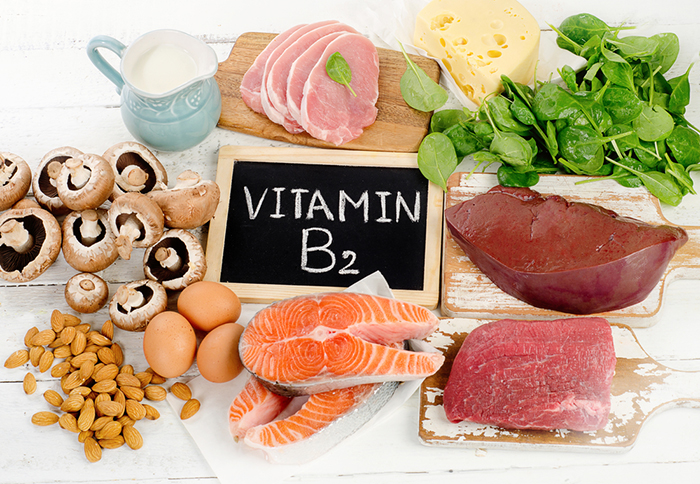
Vitamin B2, also known as Riboflavin, helps prevent skin rashes, corneal redness, mouth and tongue ulcers, and protects nerve cells. It is found in meat, milk, eggs, almonds, and cheese.
Vitamin B5

Vitamin B5, also known as Pantothenic Acid, is a water-soluble vitamin that helps reduce blood cholesterol, prevents heart attacks, strokes, combats aging, and boosts immunity.
Vitamin B5 is present in most foods, with the highest concentrations in eggs, meat, fish, cheese, cereals, cabbage, and broccoli.
Vitamin B6
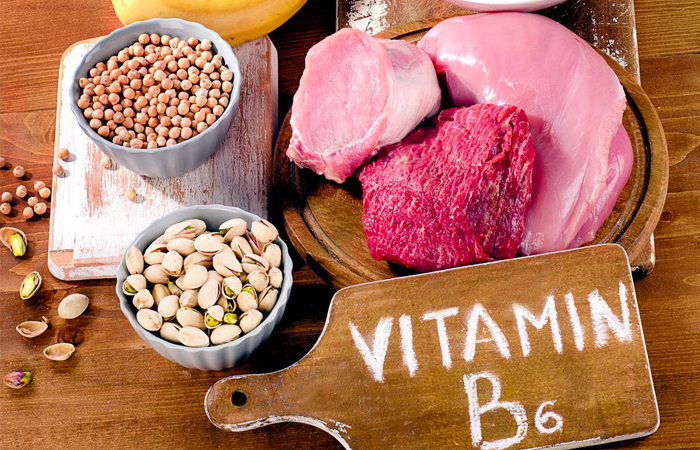
Vitamin B6, also known as Pyridoxine, helps prevent atherosclerosis, reduce cholesterol, and prevent kidney stones. It is found in bananas, red beans, soybeans, whole grains, beef, and chicken.
Vitamin B7
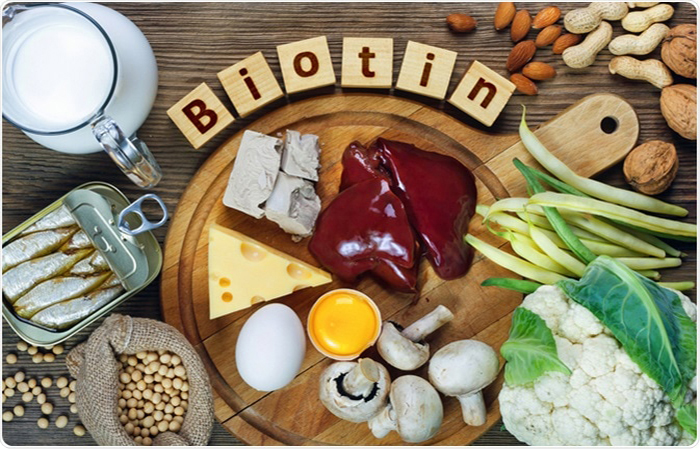
Vitamin B7, also known as Biotin or Vitamin H, is a water-soluble vitamin that prevents hair loss, limb numbness, red rashes around the eyes, nose, and mouth, and supports heart health.
This vitamin is found in eggs, dairy products, cabbage, broccoli, sweet potatoes, potatoes, bananas, and poultry.
Vitamin B12
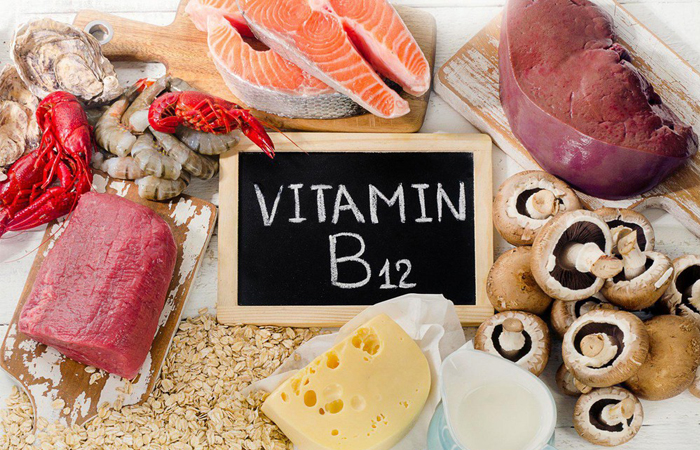
Vitamin B12, also known as Cobalamin, is a water-soluble B-group vitamin that plays a role in metabolism and supports normal nerve and brain function. It is found in animal liver, fish, pork, and poultry.
Vitamin C
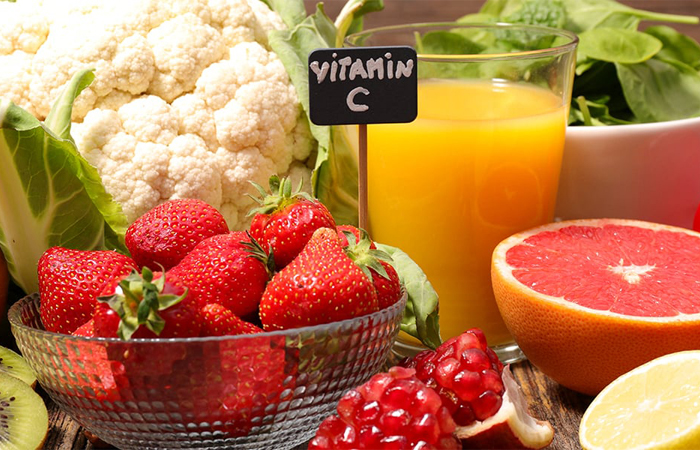
Vitamin C, also known as Ascorbic Acid, is a well-known vitamin that promotes collagen synthesis, supports the immune system, fights cancer, prevents colds, enhances skin radiance, and reduces wrinkles.
Foods rich in Vitamin C include milk, fresh fruits and vegetables, oranges, lemons, strawberries, water spinach, and morning glory.
Vitamin D
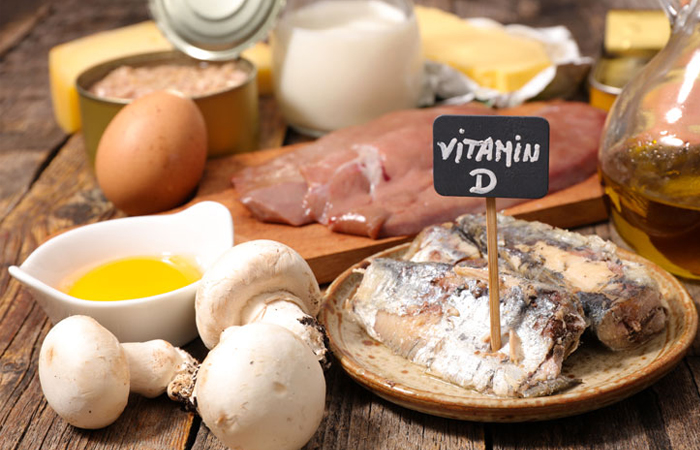
Vitamin D is a group of Secosteroids soluble in fats, helping to protect cardiovascular health, stabilize blood vessels, maintain bone and joint health, and enhance calcium and phosphorus absorption in the intestines. It is found in sunlight, cod liver oil, soybeans, egg yolks, seafood, and fish.
Vitamin E
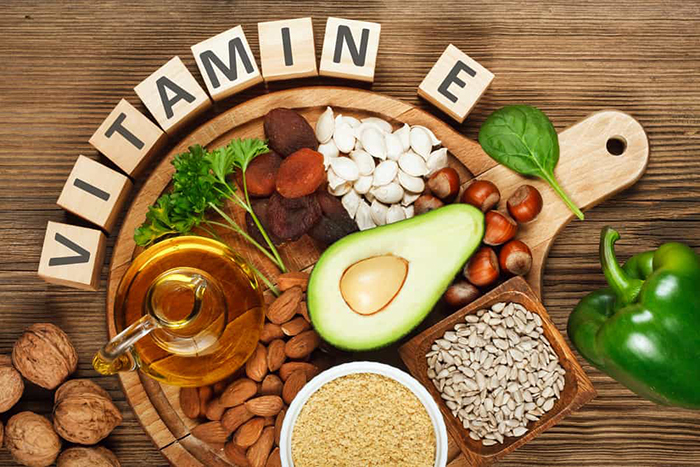
Vitamin E is an oil-soluble vitamin that prevents aging, reduces wrinkles, and boosts immunity. It is found in almonds, peanuts, sunflower oil, soybean oil, olive oil, and dairy products.
Vitamin K1
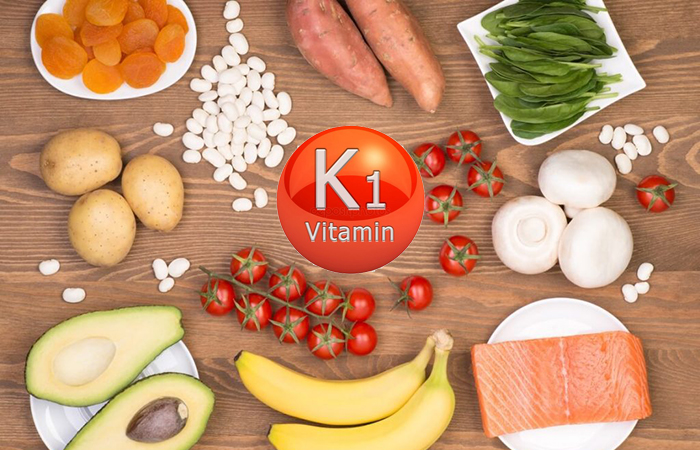
Vitamin K1, also known as Phytomenadione, is an oil-soluble vitamin that reduces the risk of uncontrolled bleeding, heart attacks, and strokes. It is found in green vegetables (cabbage, broccoli), vegetable oils (soybean oil), and fruits (avocados, kiwis, grapes).
3 The Role of Vitamins in the Body
Vitamins play a vital role in health, and their deficiency can lead to numerous dangerous diseases.
Vitamins act as catalysts and transform food into energy needed for the functioning of cells in the body.
Vitamins are essential for normal growth and development, even during fetal development.
Vitamins protect cells through their antioxidant properties and help defend the body against infections, detoxify, and repair damaged structures.
Fat-soluble vitamins participate in reactions that create substances, structures, organs, and tissues in the body.
Vitamins are extremely important and essential for the human body. We hope this article has provided you with valuable information about what vitamins are, the types of vitamins, and their health benefits.
Sources: Healthylife, Vinmec Hospital
Unlocking the Power of Avocados: Health Benefits and Optimal Ways to Enjoy Them

When is the best time to eat avocado? The optimal time to enjoy avocado is in the morning, ideally 1–2 hours before a meal. If you’re aiming to gain weight, consider having it 1–2 hours after a meal. Regardless of when you choose to eat it, moderation is key to avoid any potential health risks.
The Remarkable Health and Beauty Benefits of Muskmelon

Discover the ultimate summer refreshment with dưa gang, a beloved fruit celebrated for its cool, sweet flavor and affordability. But did you know its benefits extend far beyond its taste? Uncover the remarkable health and beauty secrets this tropical gem has to offer.
Unlock Golden Health with Affordable Black-Hearted Green Beans: Your Budget-Friendly Superfood

Unlock the next level of nutrition with black beans—specifically, the powerhouse variety known as black beans with green centers. Beyond their already impressive health benefits, these beans offer even more advantages for your well-being. Dive into the details in the article below to discover why they’re a must-add to your diet.
Spiny Plants to Grow Indoors for Health Benefits: Blooming Flowers Signal Upcoming Joyful Occasions

There are numerous indoor plants that not only enhance your health but also carry significant feng shui benefits, bringing luck and peace to homeowners.
Top 9 Best Sunflower Oils Available Today

Sunflower oil is a highly beneficial vegetable oil that offers numerous health advantages. However, its full potential and diverse applications remain unknown to many.