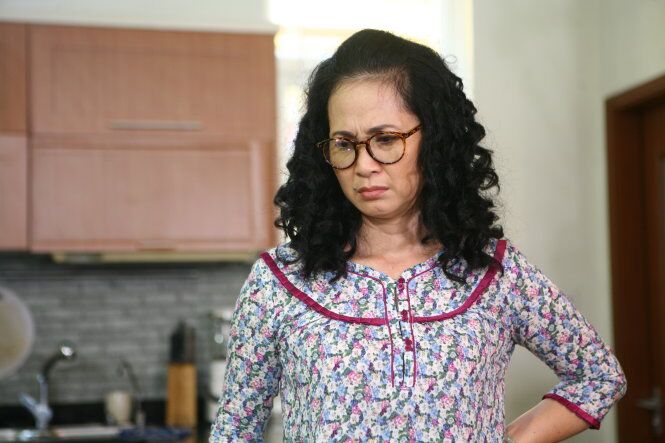
Mom thought her son would happily agree, as he had every year. But the boy immediately shook his head: “I’m not going anywhere! If you’re too busy to cook, I can reheat the food myself. I won’t go hungry.”
His response left Xiaoya quite surprised.
Notably, from the time he was weaned until around age 3, the boy was primarily cared for by his grandparents. Later, when he started kindergarten, he moved in with his parents.
Back then, the first thing he would look for every morning was his grandparents. It took him several months to gradually adjust to life with his parents.
Moreover, during summer or winter breaks, what he looked forward to most was visiting his grandparents’ house.
Unsure why he was refusing, Xiaoya gently asked: “You used to be so attached to Grandma when you were little. Why don’t you want to visit her anymore?”
The boy paused for a moment, then simply replied: “I just don’t want to go…”
Despite further questioning, he couldn’t articulate his reasons clearly.
Frustrated, Xiaoya blurted out: “You’ve grown up and forgotten about your grandparents.”
Hearing this, the boy turned and walked into his room, closing the door behind him, unwilling to continue the conversation.
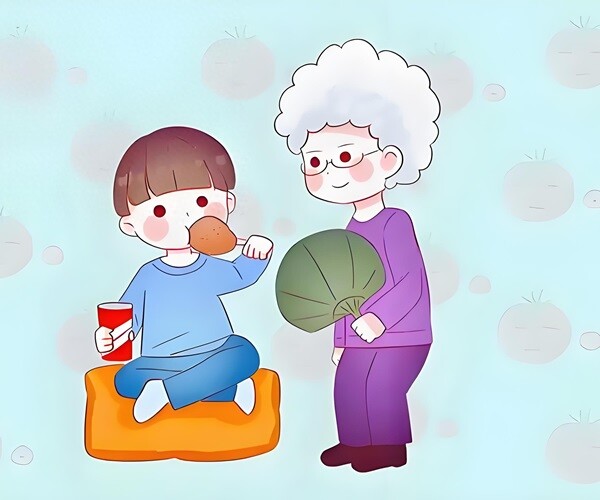
Many families may have experienced similar situations. When children are young, they are often very attached to their grandparents. However, as they grow older, they seem less inclined to spend time with them.
Many adults assume that children are becoming cold, ungrateful, or indifferent to family bonds. But does this change truly mean children are unappreciative or distant from their loved ones?
In reality, behind these behavioral shifts are often psychological reasons and developmental needs that adults may not fully understand.
From a child psychology perspective and based on common life situations, there are reasons why many children become less eager to stay with their grandparents as they grow up. Understanding these reasons may lead parents to view the situation entirely differently.
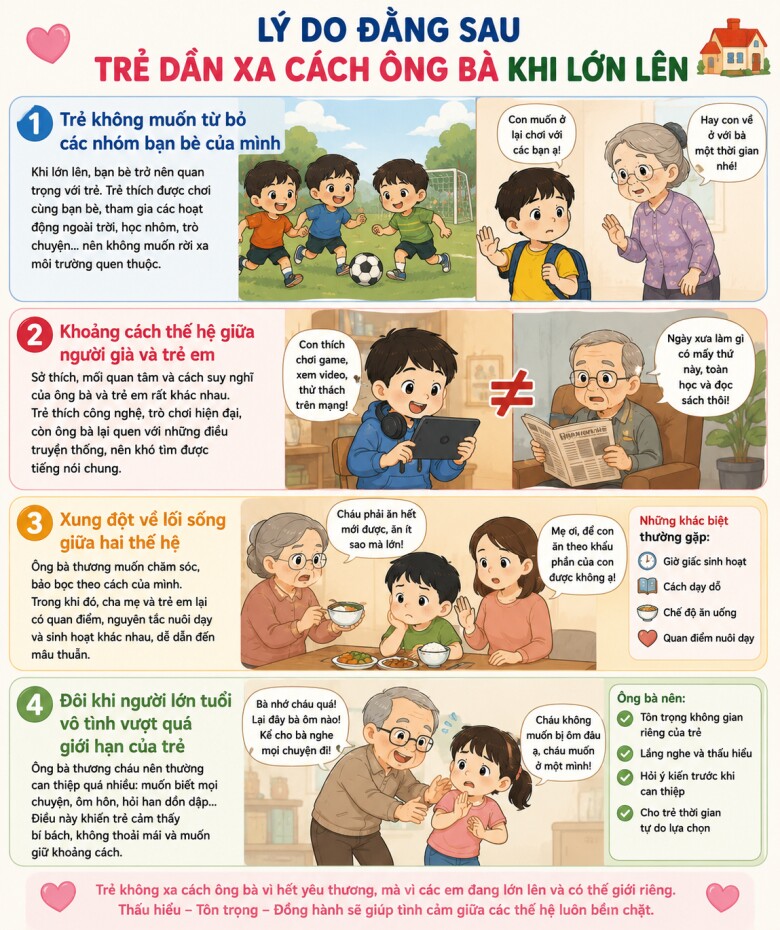

Children Don’t Want to Leave Their Friend Groups
Child development psychology identifies the age range of 7–12 as middle childhood, a critical period for the rapid formation of a child’s “social self.”
At this stage, children no longer rely solely on family for security; friendships with peers also become a vital source of emotional support.
Recalling our own childhoods, didn’t we always look forward to calling friends and playing together during holidays?
Children this age highly value promises made to friends. Sending them to live with grandparents, often hundreds of miles away, is akin to forcibly severing their social circle, leading to resistance and resentment.

Generational Gap Between the Elderly and Children
When children are young, their needs are typically simple. Most are content with playtime and companionship from family members, as long as adults care for their daily needs.
However, as children grow, they absorb new information from the internet and school. Compared to the simpler lifestyles of older adults, a gap emerges in understanding, leaving the two generations with few shared topics for discussion.

Lifestyle Conflicts Between Generations
Older generations often adhere to regular routines and have specific rules about eating and daily activities. In contrast, children face significant academic pressures during the week, so holidays are a time to relax and recharge. This disparity can lead to lifestyle conflicts between generations.
For example, children may want snacks like potato chips, but older adults often forbid them, believing snacks interfere with main meals.
While understanding the concern, children perceive these restrictions as disciplinary measures.

Older Adults Sometimes Unintentionally Overstep Boundaries
According to psychological studies, around age 9, children begin developing a clearer sense of personal space and a desire for their thoughts, feelings, and “little secrets” to be respected.
Meanwhile, many grandparents, accustomed to their grandchildren’s younger selves, unconsciously continue to care for and intervene in their lives as they did when the children were much younger. This mismatch can make children feel uncomfortable and more inclined to maintain distance, even though their affection for grandparents remains unchanged.
Therefore, when parents notice their child is less attached to grandparents, they shouldn’t worry excessively, blame the child, or feel guilty toward the older adults. This is often a natural part of a child’s growth process.
Family bonds are not solely maintained by spending extensive time together but also through mutual understanding and respect. Instead of forcing children to live with or bond with grandparents in ways adults prefer, parents can explore gentler, more suitable connection methods.
For instance, children can spend a few minutes each week calling or video chatting with grandparents, sharing interesting school stories, books they’re reading, or new hobbies.
Additionally, weekend visits to grandparents’ homes for family meals or short trips together provide opportunities for generations to create cherished memories without pressuring children.
Most importantly, helping grandparents understand that children are growing and have age-appropriate needs is crucial. When adults respect children’s personal space, reduce control, and listen more attentively, the relationship between grandparents and grandchildren will naturally become closer and stronger.
Warm memories nurtured through understanding, respect, and companionship will always remain in a child’s heart, regardless of time or distance.

The Lunar Birthdate’s Final Digit: Unlocking the Secret to Exceptional Motherhood

According to astrology, women born on specific lunar calendar dates ending in particular numbers often possess qualities that make them exceptionally skilled mothers, nurturing their children to achieve great success.
Doctor’s Warning: 5 Off-Limit Areas on a Child’s Body Parents Must Never Strike, No Matter How Angry

There are 5 areas on a child’s body that parents should never strike, under any circumstances.
Congratulations, Mom! Your Child’s “Mischievous” Behavior Could Be a Sign of Genius

Some aspects of a child’s personality may not align with parental preferences, yet they often signify a healthy and thriving intellectual development.
Stop Hurting Children with 5 “Loving Tactics” – Unaware of the Hidden Dangers They Carry

Some once-accepted habits may no longer be suitable, potentially impacting a child’s health and development.
“Outdoor Explorers vs. Home-Loving Kids: Unveiling the Success Gap in Adulthood”

Whether your child is an adventurous explorer or a homebody, each has unique strengths. The key lies in providing opportunities that nurture their talents in the right direction.