Nature has always bestowed upon us its most wonderful and beneficial gifts, including highly nutritious products. Honey is considered one of the most precious foods gifted by nature.
According to Chris Hiatt, Vice President of the American Honey Producers Association, “Honey has been found in ancient Egyptian tombs.” When stored in a sealed container in a cool place, honey can last indefinitely. Let’s delve deeper into the world of honey through the following article.
1 Does Honey Stay Good Forever?
Many believe that honey can last indefinitely without spoiling, and even improves with age. However, during storage, moisture and airborne bacteria gradually degrade honey, leading to changes in color and flavor. Specifically, honey becomes bitter and develops a fermented, alcohol-like aroma.
Over time, honey’s flavor and color deteriorate, and its valuable enzymes significantly decrease. Therefore, consuming honey stored for too long is not beneficial for health.
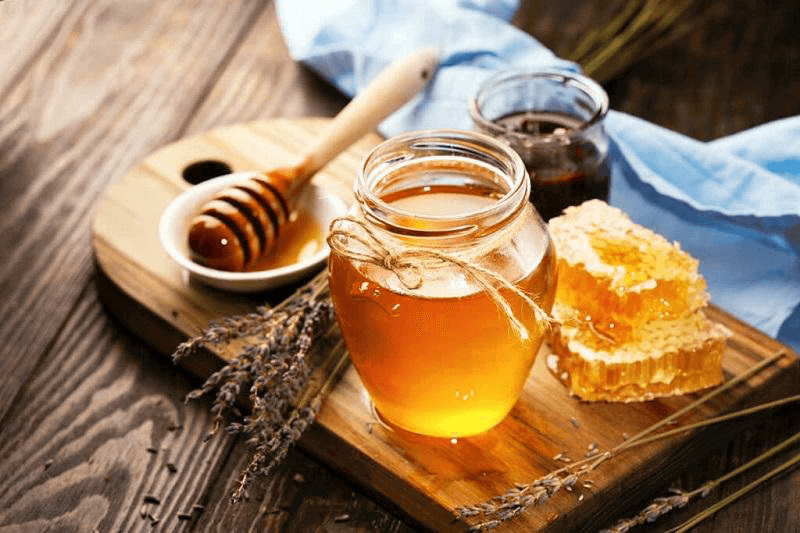 Aged honey becomes bitter and develops a fermented, alcohol-like aroma
Raw or pure honey, harvested from beehives in the forest, is a pristine product created by bees from the nectar of various flowers. Its flavor and composition vary widely depending on the flower sources and the time of harvest.
Forest honey, being a natural product, should not be stored for too long. Since it is not subjected to rigorous filtration, it may contain external contaminants and pathogens. Therefore, raw forest honey is more susceptible to bacterial contamination and spoilage if stored for extended periods.
Commercially bottled honey has a clearly marked expiration date on its packaging, which should be strictly followed to ensure safety.
2 Optimal Honey Storage Duration
Every product has its shelf life, and honey’s optimal storage period is 2 to 3 years when stored properly. Beyond this timeframe, its quality deteriorates, nutritional value decreases, and its medicinal properties diminish, potentially even becoming harmful to health.
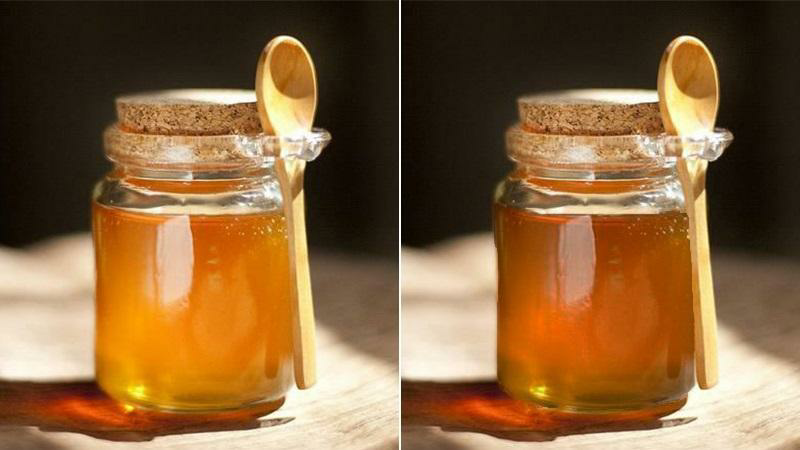 Honey should be consumed within 2 to 3 years when stored properly
Honey contains Hydroxy Methyl Furfurol (HMF), a compound that increases with higher storage temperatures, altering honey’s nutritional components. Freshly harvested honey contains 1-5 mg/kg of HMF, but after 100-200 days of storage at 30-35°C, HMF levels can rise to 200-300 mg/kg. Studies indicate that HMF increases cancer rates in laboratory mice and may cause genetic mutations.
Why does honey last so long?
Honey contains 70% sugar and has hygroscopic properties, resulting in very low moisture content. In such a low-moisture environment, bacteria cannot thrive.
Additionally, honey’s pH ranges from 3 to 4.5, creating an acidic environment that kills most organisms attempting to grow within it.
Bee stomachs contain the enzyme glucose oxidase, which bees mix with nectar. This process hydrolyzes glucose, producing gluconic acid and hydrogen peroxide, both of which have strong sterilizing and antibacterial properties. These properties help prevent harmful substances from developing in honey.
3 Proper Honey Storage Methods
The benefits of honey are immense. To preserve its beneficial properties, it must be stored correctly in terms of space, container material, and suitable temperature and humidity conditions.
To maintain honey’s quality, it should be stored at temperatures not exceeding 27°C, ideally between 21-26°C.
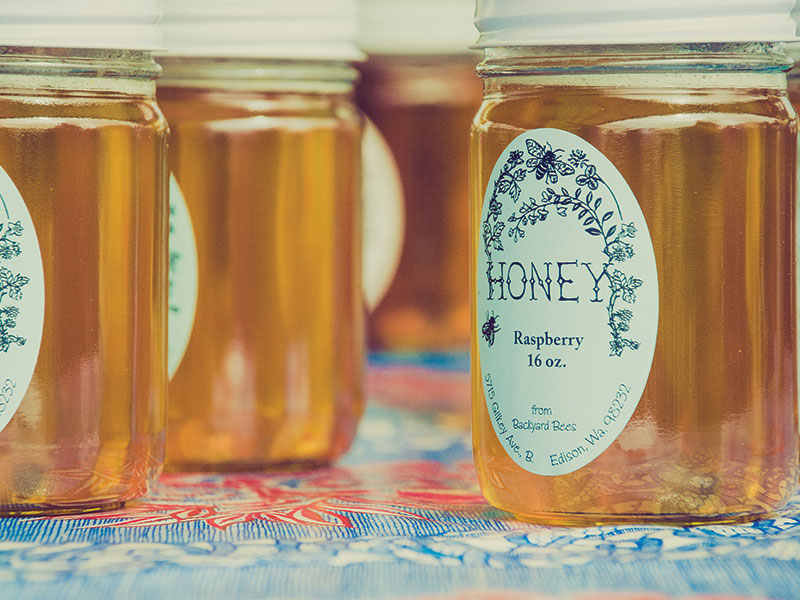 Store honey at temperatures not exceeding 27°C
Proper storage methods also extend honey’s lifespan. Store honey in airtight containers, in a cool, dark place, away from strong odors and moisture to prevent fermentation.
4 Common Questions About Honey Storage
Should honey be stored in the refrigerator?
Many store honey in the refrigerator like other foods. However, room temperature is the ideal storage condition for honey. Extreme temperatures, whether hot or cold, can degrade its quality and flavor.
 Should honey be stored in the refrigerator?
How to keep ants away from honey?
No one enjoys separating ants from honey. Here are some effective storage tips:
- Clean the outside and rim of the honey jar thoroughly to prevent ants from being attracted to residual honey.
- Wipe the jar rim clean after each use.
- Place a plastic wrap over the jar opening before sealing it to prevent odors from escaping and air from entering.
- Submerge the honey jar in a bowl of water to prevent ants from accessing it.
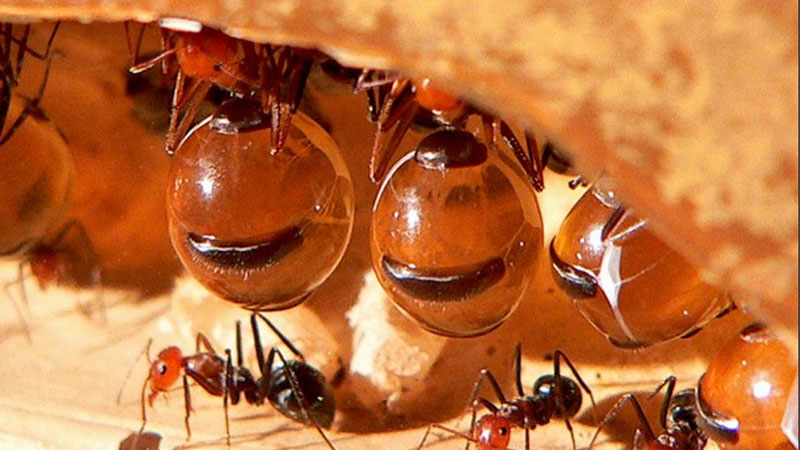 How to keep ants away from honey?
We hope this article helps you better understand honey and encourages you to consume it promptly. Avoid storing honey for too long to protect your health.
Essential Computer Hacks to Optimize Your PC Performance

If you’re a frequent computer user, make sure to take note of these essential tips and tricks to enhance your experience and boost productivity. From optimizing performance to mastering shortcuts, these insights will revolutionize the way you interact with your device. Stay tuned for valuable advice that every tech-savvy individual should know.
8 Natural Face Mask Recipes for Oily Skin: Achieve Clear, Smooth, and Radiant Complexion

Discover 8 simple, safe, and highly effective DIY face mask recipes tailored specifically for oily skin.
5 Natural Brightening Face Mask Recipes for Glowing, Healthy Skin

Unveil radiant, even-toned skin with these transformative formulas. Beyond brightening, they deeply hydrate, fade dark spots, and impart a luminous glow, leaving your complexion visibly refreshed and revitalized.
Golden Formula with 2 Ingredients for Sun-Protected, Slimmer Waist, and Incredibly Beautiful Figure!
Unlock radiant, sun-kissed skin and a slimmer figure without breaking the bank. Discover the power of two everyday kitchen staples that transform your beauty routine, delivering a glowing complexion and effective weight management, all in one simple secret.
Unlock the Secret to Perfect Pickled Mustard Greens: Beyond Just Salt – 3 Essential Steps for Golden, Crispy, and Aromatic Results Every Time

Moreover, with this tip, your pickled radish will never turn sour.